Savor the Warmth: Your Guide to the Ultimate Vegetable Soup
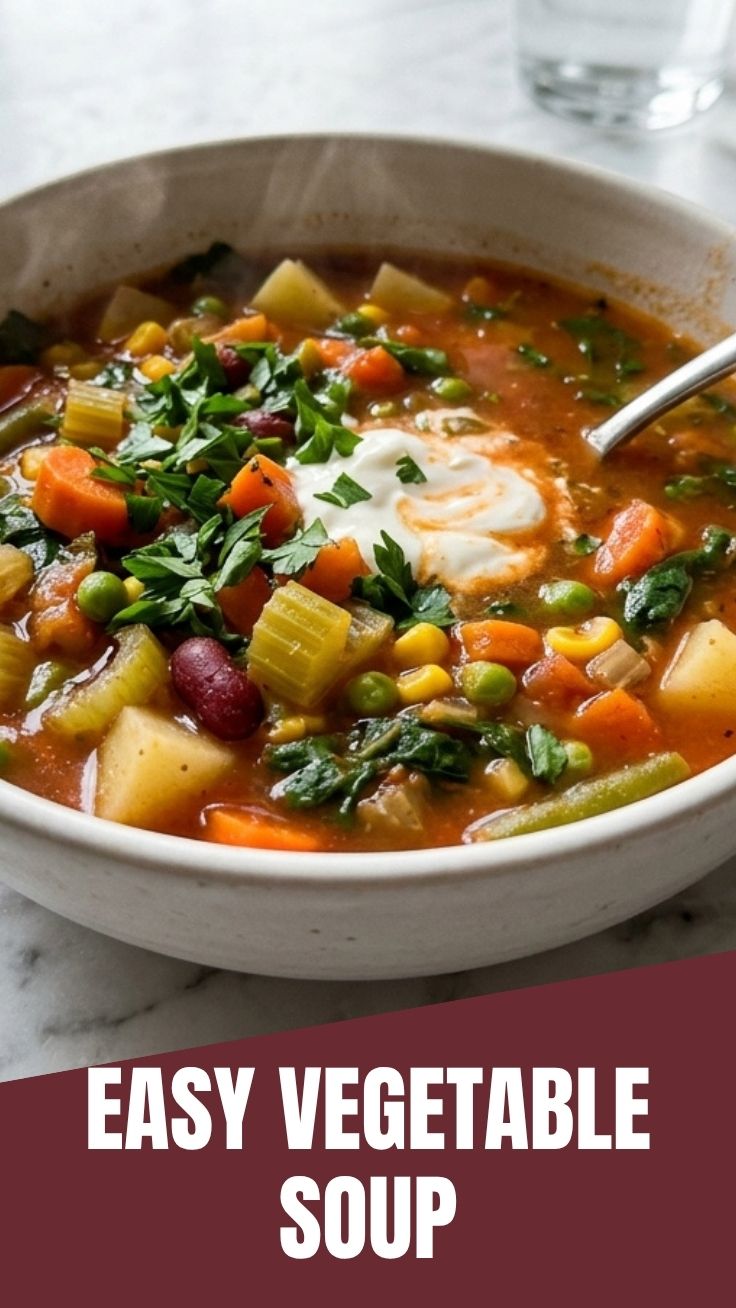
Are you yearning for a nourishing, comforting meal that’s both bursting with flavor and incredibly simple to prepare? Look no further! There’s something uniquely satisfying about a Homemade bowl of Vegetable Soup that store-bought versions simply can’t replicate. This journey into creating your own deliciousness isn’t just about food; it’s about embracing wholesome ingredients, a dash of creativity, and the joy of a truly Homemade culinary experience. We’re about to unlock the secrets to a vibrant, hearty Vegetable Soup that will become a staple in your kitchen.
Ingredients & Kitchen Tools
Gather your culinary arsenal! Here’s what you’ll need to create this comforting masterpiece:
- Olive Oil (2 tbsp): A heart-healthy fat for sautéing, adding a foundational flavor.
- Yellow Onion (1 large, chopped): Provides aromatic depth and sweetness.
- Carrots (3 medium, chopped): Adds natural sweetness, vibrant color, and essential vitamins.
- Celery Stalks (2, chopped): Contributes a fresh, earthy note and texture.
- Garlic (3 cloves, minced): Essential for a robust, savory flavor profile.
- Vegetable Broth (6 cups, low sodium): The liquid base; low sodium allows for better seasoning control.
- Diced Tomatoes (1 can, 14.5 oz, undrained): Adds a tangy, rich tomato base.
- Potatoes (2 medium, peeled and diced): Offers a creamy texture and satisfying heartiness. Russet or Yukon Gold work best.
- Green Beans (1 cup, fresh or frozen, trimmed): A touch of freshness and crispness.
- Corn (1 cup, fresh or frozen): Adds sweetness and pops of color.
- Spinach (2 cups, fresh, packed): Wilted in at the end for an extra boost of nutrients. Kale or other leafy greens are good substitutions.
- Dried Thyme (1 tsp): A classic herb that complements vegetables beautifully.
- Dried Bay Leaf (1): Infuses a subtle, aromatic layer. Remember to remove before serving!
- Salt & Black Pepper (to taste): Essential for seasoning and balancing flavors.
- Fresh Parsley (2 tbsp, chopped, for garnish): Adds a fresh, bright finish.
Kitchen Tools:
- Large Stockpot or Dutch Oven (6-8 quarts): Ideal for simmering and accommodating all ingredients.
- Cutting Board & Chef’s Knife: For safe and efficient vegetable preparation.
- Measuring Cups & Spoons: For accurate ingredient portions.
- Wooden Spoon or Spatula: For stirring and scraping the bottom of the pot.
Prep Time & Cooking Schedule
- Prep Time: 20 minutes (chopping all those lovely veggies!)
- Cook Time: 30-35 minutes
- Total Time: Approximately 50-55 minutes
This recipe is perfect for a weeknight meal or a leisurely weekend lunch. The bulk of the time is spent simmering, allowing the flavors to meld beautifully, freeing you up for other tasks.
Step-by-Step Instructions
Let’s get cooking! Follow these simple steps to create your perfect Vegetable Soup.
1. Sauté Aromatics: Heat olive oil in your large stockpot or Dutch oven over medium heat. Add the chopped onion, carrots, and celery. Sauté for 5-7 minutes, stirring occasionally, until softened and fragrant. This step builds the flavor foundation for your Homemade soup.
2. Add Garlic & Seasonings: Stir in the minced garlic, dried thyme, and bay leaf. Cook for another minute until fragrant, being careful not to burn the garlic.
3. Introduce Liquids & Tomatoes: Pour in the vegetable broth and add the undrained diced tomatoes. Bring the mixture to a gentle boil.
4. Add Hearty Vegetables: Stir in the diced potatoes. Reduce heat to medium-low, cover, and simmer for 15-20 minutes, or until the potatoes are tender when pierced with a fork. This ensures your Vegetable Soup has perfectly cooked, tender potatoes.
5. Incorporate Softer Vegetables: Add the green beans and corn to the pot. Continue to simmer, uncovered, for another 5-7 minutes, or until the green beans are tender-crisp.
6. Wilt Spinach & Season: Stir in the fresh spinach and cook until it has wilted completely, which usually takes only 1-2 minutes.
7. Final Seasoning: Remove the bay leaf. Season generously with salt and black pepper to taste. Remember, starting with low-sodium broth allows you to control the final seasoning perfectly for your Homemade creation.
8. Serve: Ladle into bowls, garnish with fresh parsley, and enjoy!
Nutritional Benefits & Advantages
This Vegetable Soup is not just delicious; it’s a nutritional powerhouse! Packed with fiber from a variety of vegetables, it aids digestion and promotes a feeling of fullness, which can be great for weight management. The numerous vitamins and minerals (like Vitamin A from carrots, Vitamin C from tomatoes, and potassium from potatoes) support overall immune function and general well-being. It’s naturally low in fat and calories, making it a fantastic, guilt-free meal option. Plus, being plant-based, it’s suitable for vegetarians and vegans alike.
Tips, Variations & Cooking Advice
- Spice It Up: Add a pinch of red pepper flakes for a subtle kick, or a dash of your favorite hot sauce.
- Protein Boost: Stir in cooked lentils, chickpeas, or shredded cooked chicken for added protein and heartiness.
- Herb Power: Experiment with other fresh herbs like rosemary or oregano. Add them along with the thyme in step 2.
- Creamy Texture: For a creamier soup, blend about 1-2 cups of the soup (after cooking, before adding spinach) with an immersion blender, then return to the pot. Alternatively, stir in a splash of coconut milk or a dairy-free cream.
- Root Vegetable Swap: Sweet potatoes or parsnips can be used in place of, or in addition to, regular potatoes for a different flavor profile.
- Gluten-Free & Dairy-Free: This recipe is naturally both, making it accessible for many dietary needs.
Common Mistakes to Avoid
- Under-seasoning: Vegetables need a good amount of salt and pepper to truly shine. Taste and adjust!
- Overcooking Vegetables: Mushy vegetables are no fun. Add softer vegetables later in the cooking process to maintain some texture, especially the greens.
- Not Sautéing Aromatics: Skipping the initial sauté of onions, carrots, and celery means you’ll miss out on a significant depth of flavor.
- Forgetting the Bay Leaf: While seemingly small, a bay leaf adds an important, subtle, savory note. Just remember to remove it before serving!
Storage & Meal Prep Tips
This Vegetable Soup is fantastic for meal prepping!
- Refrigeration: Store cooled soup in airtight containers in the refrigerator for up to 3-4 days.
- Freezing: For longer storage, freeze cooled soup in freezer-safe containers or bags for up to 3 months. Thaw overnight in the refrigerator or reheat gently from frozen on the stovetop.
- Reheating: Reheat gently on the stovetop over medium-low heat, stirring occasionally, until heated through. Add a splash of broth or water if it’s too thick. The flavors often deepen beautifully overnight!
Conclusion
There you have it – a comprehensive guide to crafting a wholesome, flavorful, and truly Homemade Vegetable Soup that will warm you from the inside out. This recipe is a testament to the fact that nourishing food doesn’t have to be complicated. By using fresh ingredients and a little love, you can create a satisfying meal that brings joy to your table. We encourage you to embrace the process of making this Homemade Vegetable Soup and make it your own. Share your creations in the comments below – we’d love to hear how you customized this comforting classic!
FAQs
Q1: Can I use frozen vegetables instead of fresh?
A1: Absolutely! Frozen vegetables are a great convenient option. Add them directly to the pot during the appropriate steps (e.g., frozen green beans and corn in step 5) as they don’t require thawing.
Q2: How can I make this soup thicker?
A2: For a thicker soup, you can either blend a portion of the fully cooked soup (about 1-2 cups) with an immersion blender or ladle some into a regular blender, then return it to the pot. Alternatively, you can add 1-2 tablespoons of flour or cornstarch mixed with a little cold water (a slurry) into the simmering soup at the end, stirring until thickened.
Q3: What if I don’t have all the exact vegetables listed?
A3: Don’t worry! This is a very forgiving recipe. Feel free to substitute with whatever vegetables you have on hand or prefer, such as zucchini, bell peppers, parsnips, or different leafy greens. Adjust cooking times accordingly.
Q4: Can I make this in a slow cooker?
A4: Yes! Sauté the onion, carrots, celery, and garlic on the stovetop first for best flavor. Then transfer to the slow cooker with the rest of the ingredients (except spinach, corn, and green beans). Cook on low for 6-8 hours or high for 3-4 hours. Add the spinach, corn, and green beans for the last 30 minutes of cooking.
Q5: How do I adjust the saltiness if my broth isn’t low sodium?
A5: If you’re using regular vegetable broth, reduce the amount of added salt initially. Taste the soup after all ingredients have cooked and adjust salt and pepper only as needed, since regular broth contains a significant amount of sodium.