Master the Art of Homemade Chicken Alfredo: Your Ultimate Guide
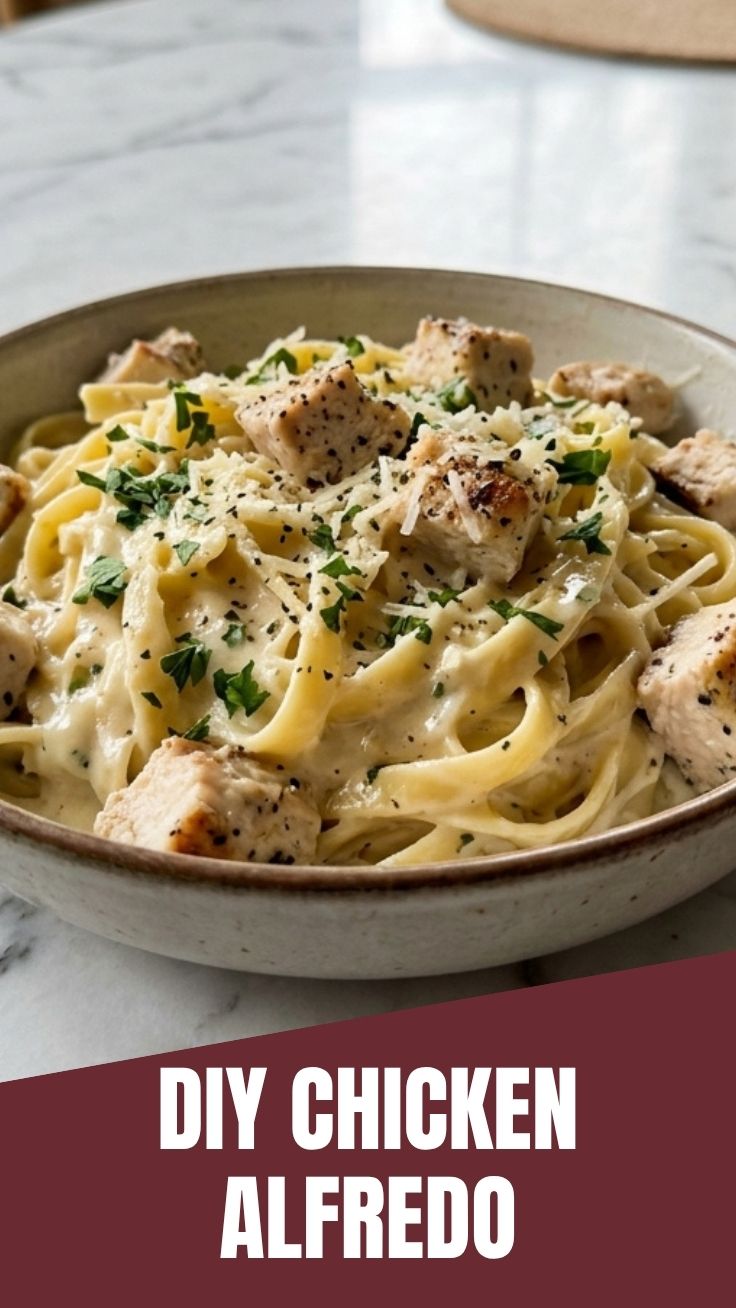
Ever wondered how to recreate that creamy, comforting, and utterly delicious restaurant-quality Chicken Alfredo right in your own kitchen? The allure of a velvety alfredo sauce embracing tender chicken and perfectly cooked pasta is undeniable. While often perceived as complex, mastering this classic Italian-American dish at home is not only achievable but also incredibly rewarding. Imagine customizing every element to your exact preference – from the richness of the sauce to the seasoning of the chicken. This isn’t just about saving money; it’s about crafting a meal that truly warms the soul, knowing exactly what ingredients go into it, and impressing yourself and your loved ones with your culinary prowess. Get ready to transform simple ingredients into a gourmet experience.
Ingredients & Kitchen Tools
Crafting the perfect Chicken Alfredo requires a blend of staple pantry items and fresh produce. Here’s what you’ll need:
- 1 lb Fettuccine Pasta: The traditional choice, its broad flat surface holds the sauce beautifully. You can also use linguine or penne.
- 1.5 lbs Boneless, Skinless Chicken Breasts or Thighs: Breasts offer leaner protein, while thighs provide more flavor and moisture.
- 4 cloves Garlic: Freshly minced for aromatic depth. Avoid pre-minced for best results.
- 1 pint (2 cups) Heavy Cream: The backbone of a rich, luxurious alfredo sauce. Don’t skimp on this!
- 1/2 cup Unsalted Butter: Provides richness and helps emulsify the sauce.
- 1.5 cups freshly Grated Parmesan Cheese: (Parmigiano-Reggiano preferred) Freshly grated melts smoothly and offers superior flavor.
- Salt & Freshly Ground Black Pepper: To taste for seasoning.
- 2 tbsp Olive Oil: For searing the chicken.
- Fresh Parsley: Chopped, for garnish and a touch of freshness.
- Optional: 1/4 tsp Nutmeg: A pinch enhances the creaminess and flavor of the sauce.
Kitchen Tools & Utensils:
- Large Pot: For cooking pasta.
- Large Skillet or Dutch Oven: For searing chicken and preparing the sauce.
- Whisk: Essential for a smooth, lump-free alfredo sauce.
- Tongs: For handling chicken and pasta.
- Grater: For fresh Parmesan.
- Cutting Board & Chef’s Knife: For preparing chicken and garlic.
Prep Time & Cooking Schedule
Planning your cooking helps ensure everything comes together perfectly.
- Prep Time: 20 minutes (slicing chicken, mincing garlic, grating cheese)
- Cook Time: 30-35 minutes (searing chicken, cooking pasta, preparing sauce)
- Total Time: Approximately 1 hour
To organize your cooking: Start by prepping all your ingredients (mise en place). Then, cook the chicken first, set it aside, and use the same skillet for the sauce. Cook the pasta simultaneously with the sauce, timing it so both are ready around the same time. This minimizes cooling and maximizes freshness.
Step-by-Step Instructions
1. Prepare the Chicken: Pat chicken breasts or thighs dry. Slice them horizontally into thinner cutlets or cube them. Season generously with salt and pepper. Heat 2 tbsp olive oil in a large skillet over medium-high heat. Sear chicken until golden brown and cooked through (internal temperature 165°F/74°C), about 5-7 minutes per side for cutlets. Remove chicken from skillet and set aside.
2. Cook the Pasta: Bring a large pot of salted water to a rolling boil. Add fettuccine and cook according to package directions until al dente. Reserve about 1 cup of pasta water before draining.
3. Make the Alfredo Sauce: In the same skillet used for the chicken (do not clean, the browned bits add flavor!), melt 1/2 cup unsalted butter over medium heat. Add minced garlic and sauté for 1 minute until fragrant. Pour in the heavy cream and bring to a gentle simmer, stirring occasionally.
4. Combine and Thicken: Reduce heat to low. Gradually whisk in 1.5 cups of freshly grated Parmesan cheese until smooth and fully incorporated. If the sauce is too thick, add a splash of reserved pasta water until it reaches your desired consistency. Season with salt, pepper, and a pinch of nutmeg if desired. Taste and adjust seasonings – this creamy alfredo sauce will be truly transformative.
5. Assemble the Dish: Add the cooked fettuccine pasta directly into the skillet with the sauce. Toss to coat evenly. Slice the cooked chicken and add it back to the skillet, or serve it on top of the pasta. Ensure every strand and piece of chicken is coated in the rich, luscious sauce. This truly elevates the homemade Chicken Alfredo.
6. Serve: Garnish generously with fresh chopped parsley. Serve immediately.
Nutritional Benefits & Advantages
Homemade Chicken Alfredo, when prepared thoughtfully, offers several benefits. Chicken provides lean protein essential for muscle repair and satiety. Fresh garlic boasts immune-boosting properties. While rich, the full-fat dairy in heavy cream and Parmesan contains important fat-soluble vitamins (A, D, E, K) and calcium. By preparing it at home, you control the quality of ingredients, reduce excessive sodium often found in pre-made sauces, and can adjust portion sizes.
Tips, Variations & Cooking Advice
- Flavor Boosts: Add a splash of dry white wine to deglaze the pan after cooking the chicken, before adding garlic.
- Vegetable Additions: Sautéed mushrooms, spinach, or broccoli florets can be stirred in for added nutrients and color.
- Spice It Up: A pinch of red pepper flakes can introduce a subtle heat.
- Different Proteins: Shrimp or even sautéed tofu can be substituted for chicken.
- Gluten-Free: Use gluten-free pasta and ensure all other ingredients are GF certified.
- Lighter Version: While not traditional, you can use half-and-half or milk blended with a tablespoon of cornstarch (slurry) for a lighter sauce,Though it won’t have the same richness.
Common Mistakes to Avoid
- Overcooking Pasta: Nobody likes mushy pasta. Cook only to al dente, as it will absorb more sauce.
- Grating Pre-Packaged Parmesan: Pre-grated cheese often contains anti-caking agents that can make your sauce gritty. Freshly grate Parmigiano-Reggiano for the best texture and flavor.
Boiling the Sauce: Bring the cream to a gentle* simmer, not a rolling boil, to prevent curdling.
- Adding Cold Cheese: Allow Parmesan to come to room temperature or add it gradually to prevent clumping.
- Ignoring Pasta Water: That starchy water is your secret weapon for adjusting sauce consistency and helping it adhere to the pasta.
Storage & Meal Prep Tips
Leftover Chicken Alfredo, when stored properly, makes for a delightful meal the next day.
- Refrigeration: Store cooled leftovers in an airtight container in the refrigerator for up to 3-4 days.
- Reheating: Gently reheat on the stovetop over low heat, adding a splash of milk or chicken broth to loosen the sauce as it tends to thicken in the fridge. Avoid high heat, which can cause the sauce to separate. Microwave reheating can also work but may dry out the chicken and pasta.
- Freezing: Freezing is not recommended for cream-based sauces as they can separate and become grainy upon thawing and reheating.
Conclusion
You’ve now unlocked the secrets to crafting a truly memorable Chicken Alfredo in your own home. From the perfectly seared chicken to the velvety smooth alfredo sauce, every element of this dish is within your control, allowing for a personalized and deeply satisfying culinary experience. Embrace the joy of homemade eating and treat yourself to this timeless classic. Don’t be afraid to experiment and make it your own! We encourage you to try this recipe, share your creations, and let us know your favorite modifications in the comments below!
FAQs
Q1: Can I use pre-cooked chicken?
A1: Yes, you can. Simply pan-fry or bake your pre-cooked chicken to warm it through and add it at the end, ensuring it’s not overcooked and dry.
Q2: My alfredo sauce is too thin/thick. How do I fix it?
A2: If too thin, gently simmer for a few more minutes to reduce. If too thick, whisk in a tablespoon of reserved pasta water (or milk/broth) at a time until desired consistency is reached.
Q3: Can I make this dairy-free?
A3: Creating a truly authentic dairy-free alfredo is challenging. You can use plant-based heavy cream alternatives and nutritional yeast for a cheesy flavor, but the texture and taste will differ significantly from the traditional version.
Q4: What’s the best pasta for Chicken Alfredo?
A4: Fettuccine is the classic choice due to its wide, flat surface that coats well with rich sauces. However, linguine, penne, or even spaghetti can also work.
Q5: How can I prevent the sauce from separating?
A5: The key is gentle heat. Avoid boiling the cream, add cheese gradually on low heat, and ensure cheese is freshly grated and ideally at room temperature.