Unlock Authentic Flavors: Your Guide to a Perfect Teriyaki Salmon at Home
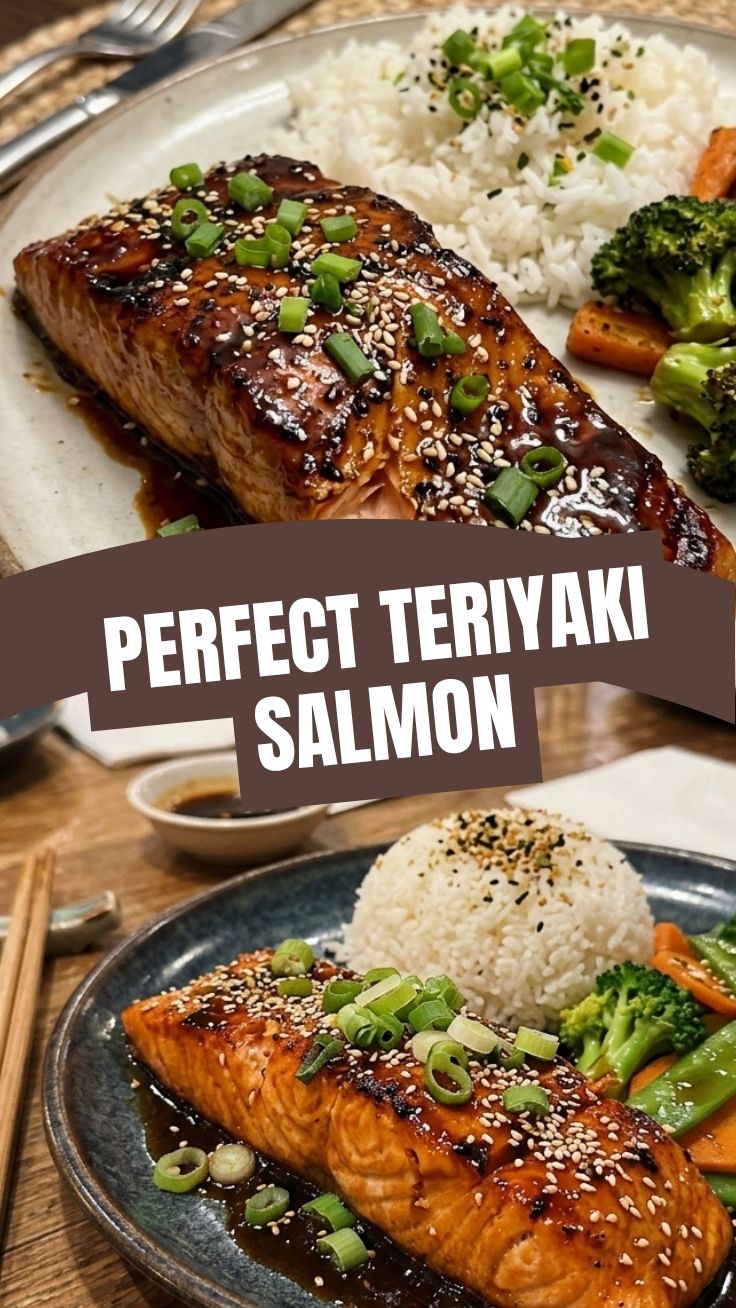
Are you tired of bland weeknight dinners and craving a dish that’s both gourmet and genuinely effortless to prepare? Imagine a succulent, flaky salmon fillet, glazed to perfection with a rich, savory-sweet teriyaki sauce, all made right in your own kitchen. This isn’t just a fantasy – it’s entirely achievable, even for the busiest home cooks! Today, we’re diving deep into crafting an irresistible Teriyaki Salmon that will elevate your dinner game and leave your taste buds singing. Forget pricey restaurant versions; mastering this dish at home offers not only incredible flavor but also complete control over ingredients, ensuring a healthier and more personalized meal. Plus, we’ll discover how this delicious preparation fits perfectly within a broader category of easy salmon recipes, making healthy eating both convenient and incredibly satisfying.
Ingredients & Kitchen Tools
Gather your culinary arsenal! Here’s what you’ll need to create this culinary masterpiece, along with some helpful clarifications:
- Salmon Fillets (4 x 6oz/170g): Skin-on or skinless, wild-caught or farmed – choose your preference. Ensure they are fresh with a vibrant color.
- Soy Sauce (½ cup / 120ml): Low-sodium is recommended to control saltiness. The backbone of our teriyaki.
- Mirin (¼ cup / 60ml): Japanese sweet rice wine, essential for authentic teriyaki flavor and glaze.
- Sake (¼ cup / 60ml): Another Japanese rice wine, adds depth and aroma. Non-alcoholic versions can be used.
- Brown Sugar (2 tablespoons): Packed, for sweetness and caramelization. Maple syrup or honey can be substituted for a different nuance.
- Fresh Ginger (1-inch piece): Grated or finely minced, adds a zesty, aromatic kick.
- Garlic (2 cloves): Minced, for a pungent savory layer.
- Sesame Oil (1 teaspoon): Toasted, for a nutty aroma and subtle richness.
- Cornstarch (1 tablespoon): Mixed with 2 tablespoons of water, this slurry will thicken our sauce to a perfect glaze.
- Green Onions (2 stalks): Thinly sliced, for garnish and a fresh, mild onion flavor.
- Sesame Seeds (1 tablespoon): Toasted, for garnish and a delightful textural crunch.
- Non-stick Skillet or Oven-Safe Dish: For cooking the salmon.
- Small Saucepan: For preparing the teriyaki sauce.
- Whisk: For blending the sauce ingredients.
- Tongs or Spatula: For handling the salmon.
Prep Time & Cooking Schedule
This recipe is designed for efficiency!
- Prep Time: 15 minutes (includes making the sauce and prepping salmon)
- Marinating Time: 30 minutes (minimum) to 2 hours (for deeper flavor absorption).
- Cook Time: 12-15 minutes
- Total Time: Approximately 1 hour (allowing for minimum marinating)
Plan to start your marinade at least an hour before dinner. While the salmon marinates, you can prepare side dishes like rice or steamed vegetables.
Step-by-Step Instructions
1. Prepare the Teriyaki Sauce: In a small saucepan, combine soy sauce, mirin, sake, brown sugar, grated ginger, minced garlic, and sesame oil. Whisk well to combine. Bring the mixture to a gentle simmer over medium heat, stirring until the brown sugar dissolves completely.
2. Thicken the Sauce: In a separate small bowl, whisk together the cornstarch and 2 tablespoons of cold water until smooth. Slowly pour the cornstarch slurry into the simmering teriyaki sauce while continuously whisking. Continue to cook and stir for 1-2 minutes, until the sauce thickens to a glossy, syrupy consistency. Remove from heat and let cool slightly.
3. Marinate the Salmon: Place your salmon fillets in a shallow dish or a Ziploc bag. Pour about half of the prepared teriyaki sauce over the salmon, ensuring each fillet is well coated. Reserve the remaining sauce for basting and serving. Marinate in the refrigerator for at least 30 minutes, or up to 2 hours. Do not marinate for too long, as the acidity in the sauce can begin to “cook” the fish.
4. Cook the Teriyaki Salmon: Heat a non-stick skillet over medium-high heat. Once hot, add a tablespoon of high-smoke-point oil (like avocado or grapeseed oil). Place the salmon fillets skin-side down (if using skin-on) in the hot skillet. Cook for 4-6 minutes, or until the skin is crispy and golden.
5. Flip and Finish: Carefully flip the salmon fillets. Pour a couple of tablespoons of the reserved teriyaki sauce over the fillets. Continue to cook for another 5-7 minutes, basting occasionally with the sauce, until the salmon is cooked through and easily flakes with a fork. The internal temperature should reach 145°F (63°C). This careful attention to timing and temperature ensures a perfectly moist fillet, a key characteristic of truly easy salmon recipes.
6. Rest and Garnish: Remove the salmon from the skillet and let it rest for a few minutes. Garnish with sliced green onions and toasted sesame seeds. Serve immediately with a drizzle of the remaining warmed teriyaki sauce.
Nutritional Benefits & Advantages
Salmon is a powerhouse of nutrition! It’s an excellent source of lean protein, crucial for muscle repair and satiety. Rich in Omega-3 fatty acids (EPA and DHA), it supports heart health, brain function, and reduces inflammation. This fish also provides vital vitamins and minerals like Vitamin D, Vitamin B12, selenium, and potassium. By preparing it at home, you control the amount of sugar and sodium in your teriyaki sauce, making it a significantly healthier option than many store-bought or restaurant versions.
Tips, Variations & Cooking Advice
- Spice It Up: Add a pinch of red pepper flakes or a dash of sriracha to the teriyaki sauce for a subtle kick.
- Citrus Twist: A squeeze of fresh orange or lime juice in the sauce can brighten the flavors.
- Alternative Cooking Methods: This recipe works beautifully on the grill (grill for 4-5 minutes per side) or baked in the oven at 400°F (200°C) for 12-15 minutes. Adjust cooking times based on the thickness of your fillets.
- Veggie Boost: Serve alongside steamed broccoli, crisp asparagus, or roasted bell peppers for a complete and colorful meal.
Common Mistakes to Avoid
- Over-Marinating: As mentioned, don’t marinate salmon for too long, or the fish’s texture can become mushy due to the acids. 2 hours is the sweet spot.
- Overcooking Salmon: This is the most common mistake! Salmon dries out quickly. Use a meat thermometer to ensure it reaches 145°F (63°C) and then remove it promptly.
- Burning the Sauce: The brown sugar in the teriyaki sauce can burn if cooked at too high a heat. Keep the sauce at a gentle simmer and stir frequently.
Storage & Meal Prep Tips
Leftover Teriyaki Salmon can be stored in an airtight container in the refrigerator for up to 2-3 days. It’s delicious cold on salads or reheated gently. To reheat, microwave on low power in short bursts or warm in a skillet over low heat to prevent drying out. Freezing cooked salmon is generally not recommended as it can affect the texture, but if you must, freeze in an airtight container for up to 1 month. Thaw in the refrigerator overnight and reheat as above.
Conclusion
There you have it – a comprehensive guide to mastering a truly spectacular Teriyaki Salmon right in your own kitchen! This recipe marries incredible flavor with approachable techniques, proving that gourmet dishes don’t have to be complicated. By following these steps, you’ll achieve a perfectly glazed, tender, and utterly delicious salmon that will impress everyone at your table. We hope this inspires you to explore more easy salmon recipes and embrace the joy of home cooking. Give this a try and share your culinary successes with us in the comments below! Happy cooking!
FAQs
Q1: Can I use bottled teriyaki sauce?
A1: While convenient, homemade teriyaki sauce offers superior flavor and allows you to control sugar and sodium. If using bottled, look for low-sodium options and consider adding fresh ginger and garlic for a flavor boost.
Q2: What if I don’t have sake or mirin?
A2: For sake, you can substitute dry sherry or even a very dry white wine, though the flavor will differ slightly. For mirin, a very small amount of rice vinegar with a pinch of sugar can replicate some sweetness and tang, but the authentic flavor profile will be altered.
Q3: How do I know when the salmon is cooked through?
A3: The easiest way is to use a meat thermometer inserted into the thickest part of the fillet; it should read 145°F (63°C). Alternatively, the salmon should flake easily with a fork and look opaque throughout.
Q4: Can I make this gluten-free?
A4: Absolutely! Simply use tamari (gluten-free soy sauce) instead of regular soy sauce, and ensure all other ingredients are certified gluten-free.
Q5: What are good side dish pairings?
A5: Steamed jasmine rice or brown rice, stir-fried vegetables, roasted asparagus, or a simple green salad with a sesame dressing are all fantastic accompaniments.