Ignite Your Taste Buds: Master the Art of Blackened Salmon at Home
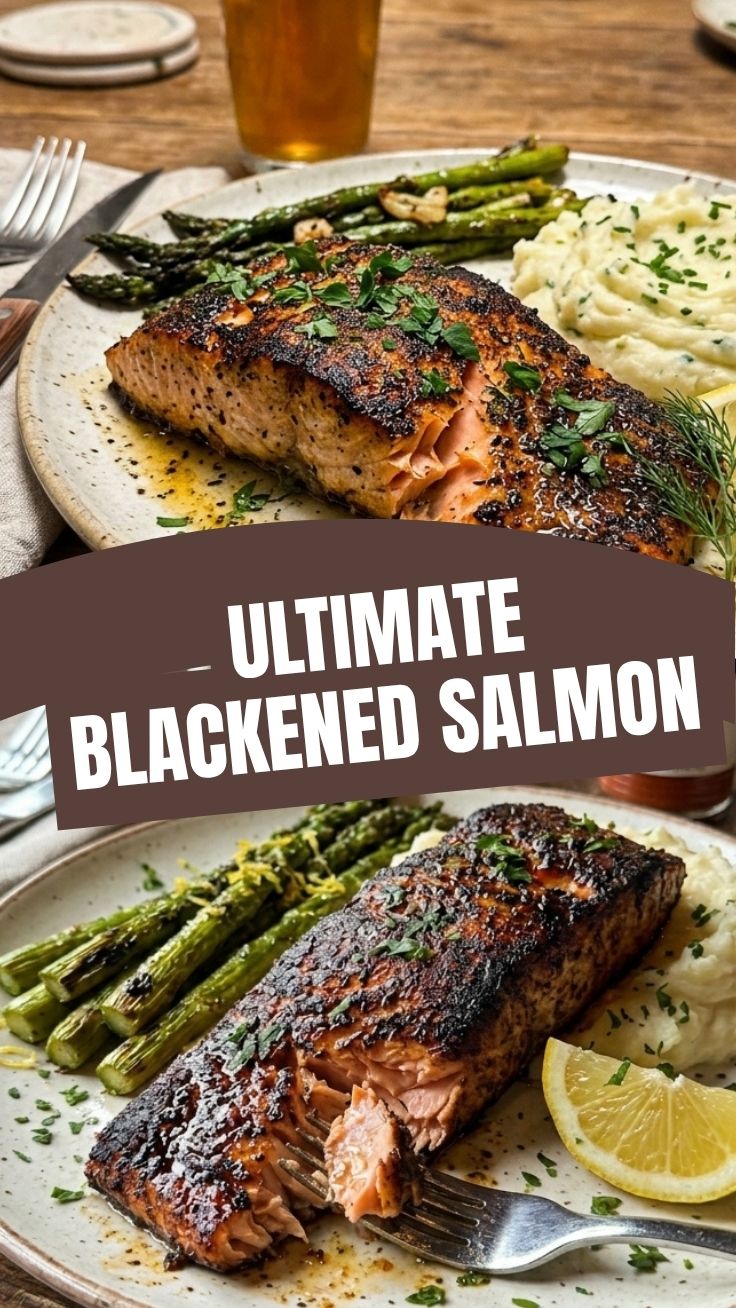
Are you tired of bland weeknight dinners and craving a meal that explodes with flavor and leaves you feeling utterly satisfied? Look no further! Today, we’re diving deep into the world of truly exceptional Blackened Salmon, a dish that transcends mere sustenance to become a culinary experience. Forget expensive restaurant meals; with this guide, you’ll unlock the secrets to crafting restaurant-quality blackened salmon right in your own kitchen. This isn’t just about cooking; it’s about transforming simple ingredients into a masterpiece, creating memories around your dinner table, and impressing even the most discerning palates. And for those who love a spicy kick, we’ll also touch upon the delightful nuances of Cajun Salmon, highlighting how a few simple spice adjustments can open up a whole new world of flavor. Get ready to elevate your home cooking to an art form!
Ingredients & Kitchen Tools
To embark on this flavorful journey, gather the following:
- Salmon Fillets (4, 6 oz each): Skin-on or skinless, wild-caught sockeye or Atlantic salmon works best for its firm texture and rich flavor.
- Blackening Seasoning (2-3 tablespoons): Choose a high-quality blend or make your own with paprika, cayenne, garlic powder, onion powder, dried thyme, and oregano. This is key for the characteristic flavor.
- Butter (4 tablespoons, unsalted): Crucial for achieving the dark crust and rich taste. Clarified butter (ghee) is an excellent substitute as it has a higher smoke point.
- Olive Oil (1 tablespoon): For a higher smoke point combination with butter.
- Lemon (1, for wedges): Essential for a bright finish and cutting through the richness.
- Salt & Black Pepper (to taste): Even with seasoning, a little extra can enhance flavors.
- Cast Iron Skillet (10-12 inch): Absolutely essential for achieving the perfect crust and high heat needed.
- Tongs or Fish Spatula: For flipping the delicate fillets.
- Plates & Paper Towels: For patting salmon dry.
- Meat Thermometer (optional): For precise doneness.
Prep Time & Cooking Schedule
- Prep Time: 10 minutes
- Cook Time: 6-8 minutes
- Resting Time: 2-3 minutes
This recipe is designed for maximum flavor with minimal fuss, making it perfect for a weeknight meal or an impressive weekend dinner. Begin by ensuring your salmon is at room temperature for even cooking. This short prep and cook time means dinner can be on the table in under 20 minutes, allowing you to quickly enjoy the delicious results of your culinary efforts.
Step-by-Step Instructions
1. Prepare the Salmon: Pat the salmon fillets thoroughly dry with paper towels. This is a critical step for achieving a crispy crust.
2. Season Generously: Melt the butter in a shallow dish. Dip each salmon fillet into the melted butter, ensuring it’s fully coated. Alternatively, you can brush the butter on. Then, generously dredge both sides of the salmon in the blackening seasoning. Don’t be shy – the seasoning creates the signature crust of this Blackened Salmon.
3. Heat the Skillet: Place your cast iron skillet over high heat. Allow it to heat for 2-3 minutes until it’s smoking slightly. Add the olive oil.
4. Sear the Salmon: Carefully place the salmon fillets, skin-side up (if applicable), into the hot skillet. Cook undisturbed for 3-4 minutes. You should see a deep, dark crust forming.
5. Flip and Finish: Gently flip the salmon fillets using a fish spatula. Cook for another 2-3 minutes, or until the internal temperature reaches 145°F (63°C) and the fish flakes easily with a fork. For a spicier kick, you can add a pinch more cayenne to your seasoning blend for a delicious Cajun Salmon experience.
6. Rest and Serve: Transfer the salmon to a plate and let it rest for 2-3 minutes before serving with fresh lemon wedges.
Nutritional Benefits & Advantages
Salmon is a nutritional powerhouse. It’s an excellent source of omega-3 fatty acids, which are vital for heart health, brain function, and reducing inflammation. It’s also packed with high-quality protein, essential vitamins like D and B12, and minerals like potassium and selenium. The blackening method, while using butter, is a quick cook method that locks in these nutrients without excessive oil absorption, making it a flavorful and healthy choice.
Tips Variations & Cooking Advice
- Spice Level: Adjust the cayenne pepper in your blackening seasoning to control the heat. For a milder flavor, reduce it; for more punch, increase it.
- Herb Twist: Add a pinch of dried oregano or basil to your seasoning for an aromatic variation.
- Citrus Zest: Include a bit of lemon or lime zest in your butter mixture before dipping the salmon for an extra bright note.
- Alternative Fats: While butter is traditional, you can use ghee (clarified butter) for a higher smoke point and a slightly nutty flavor. Avocado oil is another high-smoke-point option.
- Cooking Method: While cast iron is best, a heavy-bottomed stainless steel skillet can also work. Ensure it’s searing hot.
- Portion Control: Adjust fillet size based on dietary needs.
Common Mistakes to Avoid
- Wet Salmon: Not patting the salmon dry will prevent a good crust from forming. Always ensure it’s as dry as possible.
- Cold Skillet: A cold skillet will steam the salmon instead of searing it, leading to a dull crust and less flavor.
- Overcrowding: Don’t overcrowd the pan. Cook in batches if necessary to maintain high heat and ensure proper searing.
- Overcooking: Salmon cooks quickly. Overcooked salmon becomes dry and less flavorful. Use a meat thermometer if unsure.
- Flipping Too Early: Let the crust fully develop before flipping. Resist the urge to peek or move the fish too soon.
Storage & Meal Prep Tips
Leftover blackened salmon can be stored in an airtight container in the refrigerator for up to 3 days. It makes a fantastic addition to salads, pasta dishes, or flaked into tacos. To reheat, gently warm in an oven at 275°F (135°C) for 10-15 minutes, or briefly in a skillet over low heat to prevent drying out. Freezing is not recommended as it can alter the texture of the cooked fish.
Conclusion
Mastering Blackened Salmon at home is a culinary skill that will pay dividends in deliciousness. With its fiery crust, succulent interior, and vibrant seasoning, it’s a dish that never fails to impress. Whether you’re aiming for a classic blackened flavor or a zesty Cajun Salmon, the techniques shared here will guide you to perfection. So go ahead, don your apron, heat up that cast iron skillet, and get ready to create a meal that will tantalize your taste buds and earn you rave reviews. We encourage you to try this recipe, experiment with the variations, and share your delightful results with us!
FAQs
Q1: Can I use different fish for blackening?
A1: Yes, firm white fish like cod, snapper, or mahi-mahi are excellent alternatives for blackening.
Q2: What should I serve with blackened salmon?
A2: Blackened salmon pairs beautifully with rice pilaf, roasted asparagus, sautéed greens, a fresh corn salad, or creamy mashed potatoes.
Q3: How do I prevent my kitchen from getting smoky?
A3: Ensure good ventilation by opening a window or turning on your range hood. A very hot skillet will create smoke, which is normal for this cooking method.
Q4: Is clarified butter (ghee) necessary?
A4: While not strictly necessary, ghee has a higher smoke point than regular butter, making it ideal for the high heat required for blackening and reducing the chance of burning.
Q5: Can I make my own blackening seasoning?
A5: Absolutely! A common blend includes paprika, cayenne pepper, garlic powder, onion powder, dried thyme, dried oregano, salt, and black pepper. Adjust ratios to your preference.