Unleash Movie Night Magic: Crafting the Perfect Homemade Popcorn Experience
Ever wondered how to consistently achieve that light, fluffy, and perfectly seasoned Popcorn experience right in your own kitchen? Ditching the pre-packaged, microwave bags and embracing homemade popcorn is not just about saving money; it’s about unlocking a world of fresh flavor, healthier ingredients, and customizable deliciousness. This guide will transform your popcorn game, demonstrating how easy it is to elevate a simple snack into a gourmet treat, all without needing a specialized Popcorn machine. Get ready to impress your family and friends with an unparalleled movie-snack staple!
Ingredients & Kitchen Tools
- 1/2 cup unpopped popcorn kernels: Look for high-quality kernels for the best pop and texture. Organic or non-GMO options are excellent.
- 2 tablespoons high smoke point oil: Coconut oil (for a buttery flavor), avocado oil, or grapeseed oil work best. Avoid olive oil as it has a lower smoke point.
- 1/2 teaspoon fine sea salt: Or to taste. Fine salt adheres better to popcorn.
- Optional toppings: Melted butter, nutritional yeast (for a cheesy flavor), chili powder, garlic powder, cinnamon sugar, or various spices.
- Large heavy-bottomed pot with a lid (3-4 quart): Essential for even heat distribution and containing the popping kernels.
- Large mixing bowl: For tossing and seasoning the popped popcorn.
- Measuring spoons and cups: For accurate ingredient quantities.
Prep Time & Cooking Schedule
- Prep Time: 2 minutes
- Cook Time: 5-7 minutes
- Resting Time: None required, serve immediately!
This recipe is incredibly quick, making it perfect for last-minute snack cravings or impromptu movie nights. The minimal prep allows you to get from kernel to deliciousness in under 10 minutes.
Step-by-Step Instructions
1. Heat the Pot: Place your large, heavy-bottomed pot over medium-high heat. Add the oil.
2. Test the Kernels: Add just three popcorn kernels to the pot. Cover and wait for them to pop. This indicates your oil is at the perfect temperature.
3. Add Remaining Kernels: Once the test kernels have popped, remove the pot from the heat. This is a crucial step to prevent burning. Add the remaining 1/2 cup of unpopped Popcorn kernels to the pot, ensuring they are in a single layer. Shake the pot gently to coast the kernels in oil. Return the pot to the heat.
4. Pop it Up: Cover the pot, slightly ajar the lid to allow steam to escape (this prevents soggy popcorn), and listen intently. The kernels will begin to pop. Gently shake the pot occasionally to prevent burning and ensure all kernels are exposed to heat. Don’t worry if you don’t have a dedicated Popcorn machine; this stovetop method yields superior results!
5. Listen and Remove: Once the popping slows to several seconds between pops, remove the pot from the heat immediately. Do not wait for all kernels to pop, as this will lead to burnt popcorn.
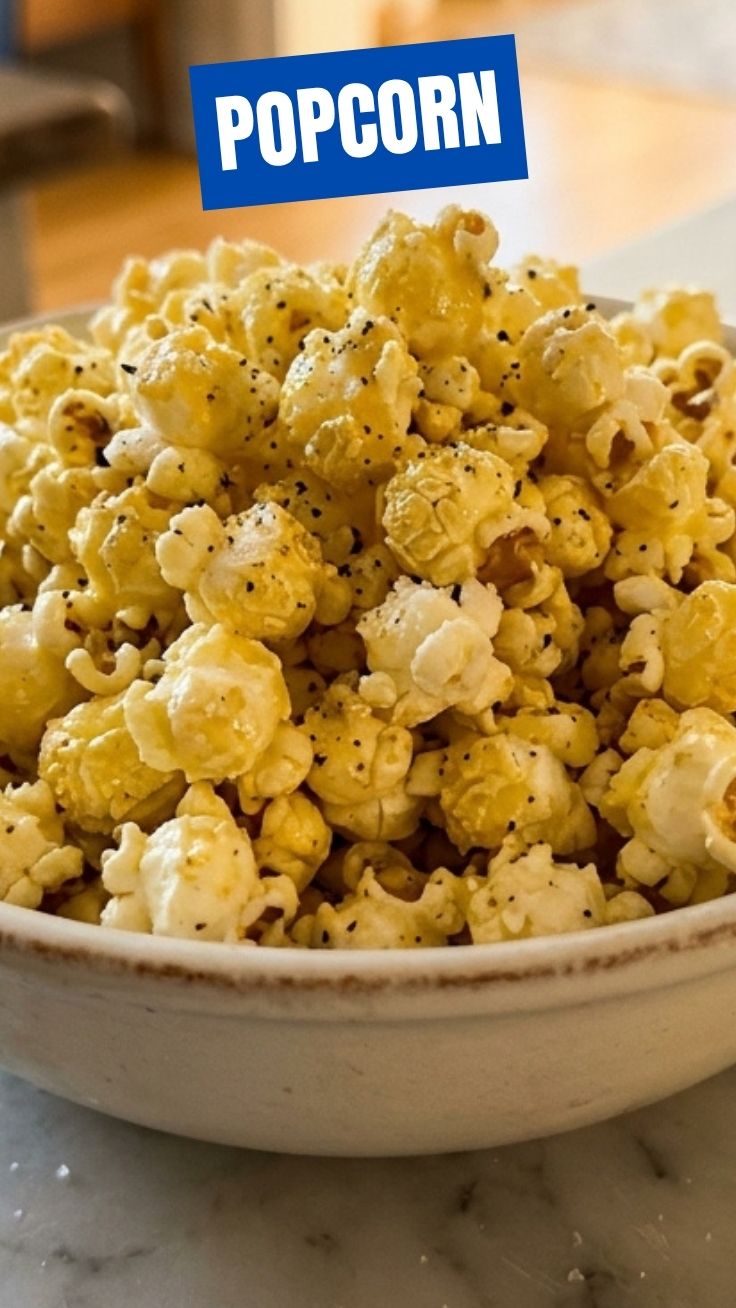
6. Season and Serve: Pour the hot popcorn into a large mixing bowl. Sprinkle with fine sea salt and any desired optional toppings. Toss well to distribute the seasoning evenly. Serve immediately and enjoy!
Nutritional Benefits & Advantages
Homemade popcorn, when prepared with sensible oils and minimal additives, is a surprisingly healthy snack. It’s a whole grain, packed with dietary fiber which aids digestion and promotes satiety. It’s naturally low in calories and fat (depending on oil and toppings) and contains essential antioxidants. Opting for homemade means you control the ingredients, avoiding artificial flavors, trans fats, and excessive sodium often found in pre-packaged varieties.
Tips, Variations & Cooking Advice
- Flavor Boosts: Experiment with different seasonings! Try smoked paprika, nutritional yeast for a “cheesy” flavor, cinnamon sugar for a sweet treat, or a dash of hot sauce powder for a kick.
- Oil Choices: Coconut oil imparts a subtle sweetness and buttery aroma, while avocado or grapeseed oil are more neutral, allowing other flavors to shine.
- Temperature Control: The “three kernels” test is paramount. Too high heat burns the oil and kernels; too low heat results in unpopped kernels.
- Don’t Overcrowd: A single layer of kernels in the pot is essential for even cooking and maximum popping.
Common Mistakes to Avoid
- Overheating the Oil: Leads to burnt oil and a bitter taste, even before popping starts.
- Not Shaking the Pot: Kernels can scorch at the bottom of the pot if not moved around.
- Leaving the Pot on Too Long: This is the quickest way to end up with burnt popcorn. Remove as soon as the popping frequency significantly diminishes.
- Using Insufficiently Sized Pot: Causes kernels to fly out or become too dense, hindering proper popping.
Storage & Meal Prep Tips
Popcorn is best enjoyed fresh. However, if you have leftovers, store them in an airtight container at room temperature for 1-2 days. It may lose some crispness, but can be refreshed by briefly warming it in a 250°F (120°C) oven for a few minutes. Avoid refrigeration as it can make the popcorn stale and chewy. Freezing is not recommended for popped popcorn. This recipe is so quick, meal prepping isn’t usually necessary!
Conclusion
Mastering the art of homemade Popcorn is a culinary superpower, transforming a simple kernel into a delightful and customizable snack. With just a few basic tools and this straightforward guide, you no longer need to rely on store-bought alternatives or even a dedicated Popcorn machine to achieve movie-theater quality results. Embrace the delicious satisfaction of creating your perfect batch at home. Give this recipe a try and share your favorite seasoning combinations in the comments below!
FAQs
1. Can I use any type of oil for popcorn?
It’s best to use high smoke point oils like coconut, avocado, grapeseed, or sunflower oil. Olive oil has a lower smoke point and can burn, imparting an undesirable flavor.
2. Why are my kernels not popping or leaving too many unpopped?
This often indicates the oil wasn’t hot enough, or you might have removed the pot from the heat too early. Ensure your kernels are fresh and the oil reaches the correct temperature.
3. How do I prevent my popcorn from being chewy or soggy?
Make sure to allow steam to escape by slightly ajarring the lid. Also, avoid adding butter or very wet seasonings too early; add them right before serving.
4. Can I make this recipe in a microwave?
While you can make popcorn in the microwave using a brown paper bag, this stovetop method offers superior texture and flavor with better control over ingredients.
5. What’s the secret to getting seasoning to stick to the popcorn?
Sprinkle fine salt and seasonings immediately after popping while the popcorn is still warm and slightly greasy from the oil. For extra adherence, you can lightly mist the popcorn with a cooking spray or a very small amount of melted butter before seasoning.