Grill Your Way to Health: Unleashing the Power of High-Protein Grilled Salmon
Are you searching for a dish that is both exquisitely flavorful and exceptionally nourishing? Look no further! This blog post will guide you through creating high protein grilled salmon recipes that not only tantalize your taste buds but also provide a powerhouse of essential nutrients. Preparing these healthy grilled salmon meals at home offers unparalleled control over ingredients, allowing you to customize flavors and nutritional profiles to perfectly suit your preferences. Say goodbye to guesswork and hello to culinary success as we dive into a recipe designed to be simple, satisfying, and supremely healthy.
Ingredients & Kitchen Tools
- Fresh Salmon Fillets (4x 6oz portions): Opt for wild-caught Atlantic or Sockeye salmon for superior flavor and nutritional value. Ensure skin is on for grilling.
- Olive Oil (2 tbsp): Extra virgin for a fruity, robust flavor.
- Lemon (1 large): Juice and zest for brightness and acidity.
- Fresh Dill (2 tbsp, chopped): Adds a classic, aromatic touch to salmon.
- Garlic (3 cloves, minced): Pungent flavor base that complements fish beautifully.
- Smoked Paprika (1 tsp): Delivers a smoky depth of flavor without the need for a smoker.
- Sea Salt (½ tsp): Enhances all other flavors.
- Black Pepper (¼ tsp): Freshly ground for best results.
- Optional Substitutions: Experiment with other herbs like parsley or chives, or a squeeze of lime instead of lemon.
- Grill or Grill Pan: Essential for achieving that perfect char and tenderness.
- Tongs: For easy flipping without tearing the delicate fish.
- Basting Brush: For applying marinades or glazes.
- Meat Thermometer: To ensure salmon is cooked to perfection (145°F internal temperature).
- Small Bowl: For mixing the marinade.
Prep Time & Cooking Schedule
- Prep Time: 15 minutes
- Marinating Time: 20-30 minutes (or up to an hour for deeper flavor infusion)
- Cook Time: 10-12 minutes
- Resting Time: 5 minutes
This recipe is designed for efficiency, making it perfect for weeknight dinners. The marinating time allows the flavors to meld beautifully without requiring extensive planning, offering a quick path to a gourmet meal.
Step-by-Step Instructions
1. Prepare the Marinade: In a small bowl, whisk together the olive oil, lemon juice, lemon zest, chopped dill, minced garlic, smoked paprika, sea salt, and black pepper. This vibrant mixture is the key to creating delicious high protein grilled salmon recipes.
2. Marinate the Salmon: Place the salmon fillets skin-side down in a shallow dish. Pour the marinade evenly over the fillets, ensuring they are well coated. Cover and refrigerate for 20-30 minutes. Do not marinate for more than an hour, as the acid in the lemon can start to “cook” the fish.
3. Preheat the Grill: Preheat your grill or grill pan to medium-high heat (around 400°F / 200°C). Lightly oil the grill grates to prevent sticking.
4. Grill the Salmon: Once the grill is hot, place the salmon fillets skin-side down on the grates. Close the lid if using a grill, and cook for 5-7 minutes. The skin should be crispy and easily release from the grates.
5. Flip and Finish: Carefully flip the salmon fillets using tongs. Cook for another 3-5 minutes, or until the internal temperature reaches 145°F (63°C) at its thickest part. This ensures perfectly cooked and incredibly flavorful healthy grilled salmon meals.
6. Rest and Serve: Transfer the grilled salmon to a plate and let it rest for 5 minutes before serving. This allows the juices to redistribute, resulting in a more tender and moist fillet.
Nutritional Benefits & Advantages
Salmon is a nutritional powerhouse, renowned for its abundant omega-3 fatty acids, which are crucial for heart health, brain function, and reducing inflammation. It’s also an excellent source of high-quality protein, essential for muscle repair and growth, making it an ideal choice for active individuals. Furthermore, salmon provides a significant amount of Vitamin D, selenium, and B vitamins, contributing to bone health, immune function, and energy metabolism. Embracing grilled salmon in your diet is a delicious way to support overall well-being.
Tips, Variations & Cooking Advice
- Flavor Variations: For a spicier kick, add a pinch of cayenne pepper or red pepper flakes to the marinade. For an Asian-inspired twist, substitute soy sauce and a touch of ginger for half of the lemon juice.
- Ingredient Swaps: No fresh dill? Dried dill (1 tsp) can be used, though fresh is always preferred. If you don’t have fresh garlic, a teaspoon of garlic powder works in a pinch.
- Alternative Cooking Methods: If grilling isn’t an option, you can bake the salmon at 400°F (200°C) for 12-15 minutes or pan-sear it in an oven-safe skillet before finishing in the oven.
- Portion Control: A 6oz portion is generally recommended for a single serving, though adjustments can be made based on individual dietary needs.
- Dietary Adaptations: This recipe is naturally gluten-free and dairy-free, aligning with many dietary lifestyles.
Common Mistakes to Avoid
- Overcooking: The most common mistake! Overcooked salmon becomes dry and flaky. Use a meat thermometer to ensure it reaches 145°F and remove it promptly.
- Not Oiling the Grill: This leads to the salmon sticking to the grates, making it difficult to flip and resulting in torn fillets. Always oil your grates well.
- Flipping Too Soon: Wait for the salmon to develop a good crust before flipping. It will release more easily from the grill when it’s ready.
- Marinating Too Long: The acid in lemon juice can start to break down the salmon if left for too long, leading to a mushy texture. Stick to the recommended marinating time.
Storage & Meal Prep Tips
Leftover grilled salmon can be stored in an airtight container in the refrigerator for up to 3-4 days. It’s fantastic flaked into salads, sandwiches, or even tossed with pasta for a quick meal. To reheat, gently warm in an oven at 275°F (135°C) for 10-15 minutes, or in a microwave on a low setting to prevent drying it out. Freezing cooked salmon is generally not recommended as it can significantly alter the texture upon thawing.
Conclusion
Mastering high protein grilled salmon recipes is a culinary triumph that brings both incredible flavor and significant health benefits to your table. This straightforward guide empowers you to create delectable and healthy grilled salmon meals with confidence. So, fire up your grill, embrace the simple elegance of this recipe, and savor a dish that’s as nutritious as it is delicious. We encourage you to try this recipe and share your culinary creations with us!
FAQs
1. Can I use frozen salmon? Yes, but ensure it’s fully thawed in the refrigerator overnight before marinating and grilling. Pat it dry thoroughly to achieve a good sear.
2. How do I know when the salmon is cooked? The easiest way is with a meat thermometer, aiming for an internal temperature of 145°F (63°C). Alternatively, the flesh should flake easily with a fork and be opaque throughout.
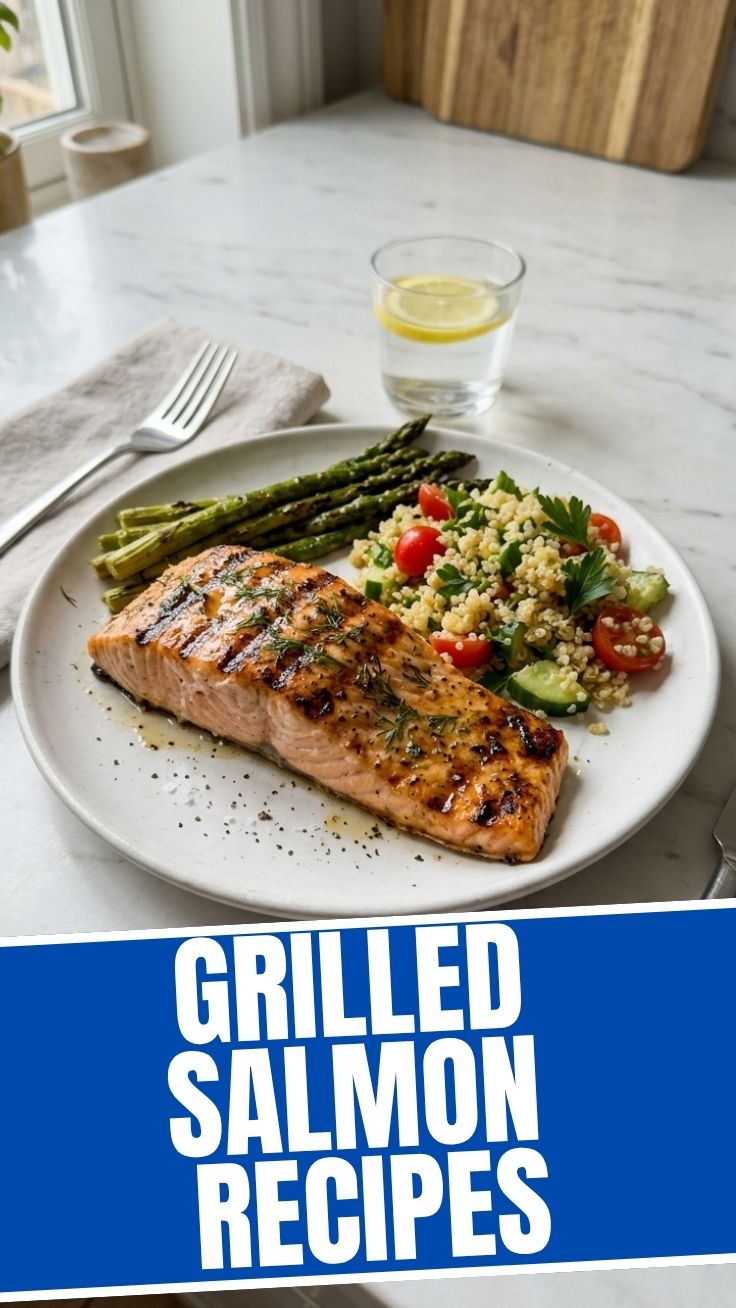
3. What vegetables pair well with grilled salmon? Asparagus, broccoli, zucchini, bell peppers, and corn on the cob are all excellent choices that can be grilled alongside the salmon.
4. Can I bake this salmon instead of grilling? Absolutely! Bake at 400°F (200°C) for 12-15 minutes, or until cooked through, for a perfectly tender result.
5. How can I make this recipe spicier? Add a pinch of cayenne pepper, a dash of hot sauce to the marinade, or sprinkle red pepper flakes over the salmon before grilling.