Grill Your Way to Delicious: Mastering High-Protein Chicken for Any Meal
Tired of bland, uninspiring meals that leave you feeling sluggish? What if I told you that crafting mouth-watering, high protein grilled chicken recipes could be the secret to unlocking a world of culinary satisfaction and optimal nutrition, right in your own kitchen? Preparing dishes at home offers unparalleled control over ingredients, allowing you to tailor flavors and nutritional profiles to your exact preferences. This guide will empower you to transform simple chicken into a delectable, nutrient-dense centerpiece for any meal. We’ll delve into techniques that elevate your grilling game, ensuring every bite is bursting with flavor and perfectly cooked. And with the right grilled chicken marinades, you can infuse your chicken with incredible depth.
Ingredients & Kitchen Tools
- Boneless, Skinless Chicken Breasts or Thighs (4-6 pieces, about 1.5-2 lbs total): Lean protein source; choose quantity based on your needs. Thighs offer more juiciness due to higher fat content.
- Olive Oil (2-3 tbsp): Helps prevent sticking, promotes even browning, and carries flavor.
- Lemon (1, juiced): Adds brightness and helps tenderize the chicken.
- Fresh Garlic (3-4 cloves, minced): Essential aromatic for robust flavor.
- Fresh Herbs (2 tbsp chopped, e.g., rosemary, thyme, oregano, parsley): Adds fresh, vibrant notes; use a single herb or a mix. Dried herbs can also be used (1 tsp).
- Salt & Black Pepper (to taste): Fundamental seasonings to enhance all other flavors.
- Optional Spices (1-2 tsp, e.g., paprika, cumin, chili powder): For an extra layer of flavor and aroma.
- Grill (Charcoal, Gas, or Indoor Electric): The primary cooking apparatus.
- Tongs: For safely handling chicken on the hot grill.
- Meat Thermometer: Crucial for ensuring chicken is cooked to a safe internal temperature (165°F / 74°C).
- Mixing Bowl: For combining marinade ingredients.
- Whisk: To emulsify the marinade.
- Cutting Board & Sharp Knife: For preparing chicken and herbs.
- Foil or Plate: For resting the cooked chicken.
Prep Time & Cooking Schedule
- Prep Time: 15 minutes (active preparation for marinade and chicken)
- Marinating Time: Minimum 30 minutes, ideally 2-4 hours, or even overnight for maximum flavor penetration. Plan ahead for best results!
- Cook Time: 10-15 minutes (depending on thickness and grill temperature)
- Resting Time: 5-10 minutes (allows juices to redistribute for a more tender, flavorful chicken)
Step-by-Step Instructions
1. Prepare the Chicken: Pat your boneless, skinless chicken breasts or thighs dry with paper towels. This helps with browning. If breasts are very thick, you can butterfly them or pound them to an even thickness (about ¾ inch) for more even cooking.
2. Whisk the Marinade: In a medium-sized bowl, combine olive oil, lemon juice, minced garlic, fresh herbs, salt, pepper, and any optional spices. Whisk thoroughly until well combined. This combination of grilled chicken marinades makes all the difference!
3. Marinate the Chicken: Add the chicken to the bowl with the marinade, ensuring each piece is fully coated. For best results, cover the bowl and refrigerate for at least 30 minutes, or up to 24 hours. The longer it marinates, the more flavor it absorbs!
4. Preheat the Grill: Preheat your grill to medium-high heat (375-450°F / 190-230°C). Clean the grill grates thoroughly with a wire brush to prevent sticking, then lightly oil them.
5. Grill the Chicken: Remove chicken from the marinade (discard excess marinade). Place the chicken on the preheated grill. Grill for 5-7 minutes per side, or until the internal temperature reaches 165°F (74°C) using a meat thermometer. Look for nice grill marks and a firm texture.
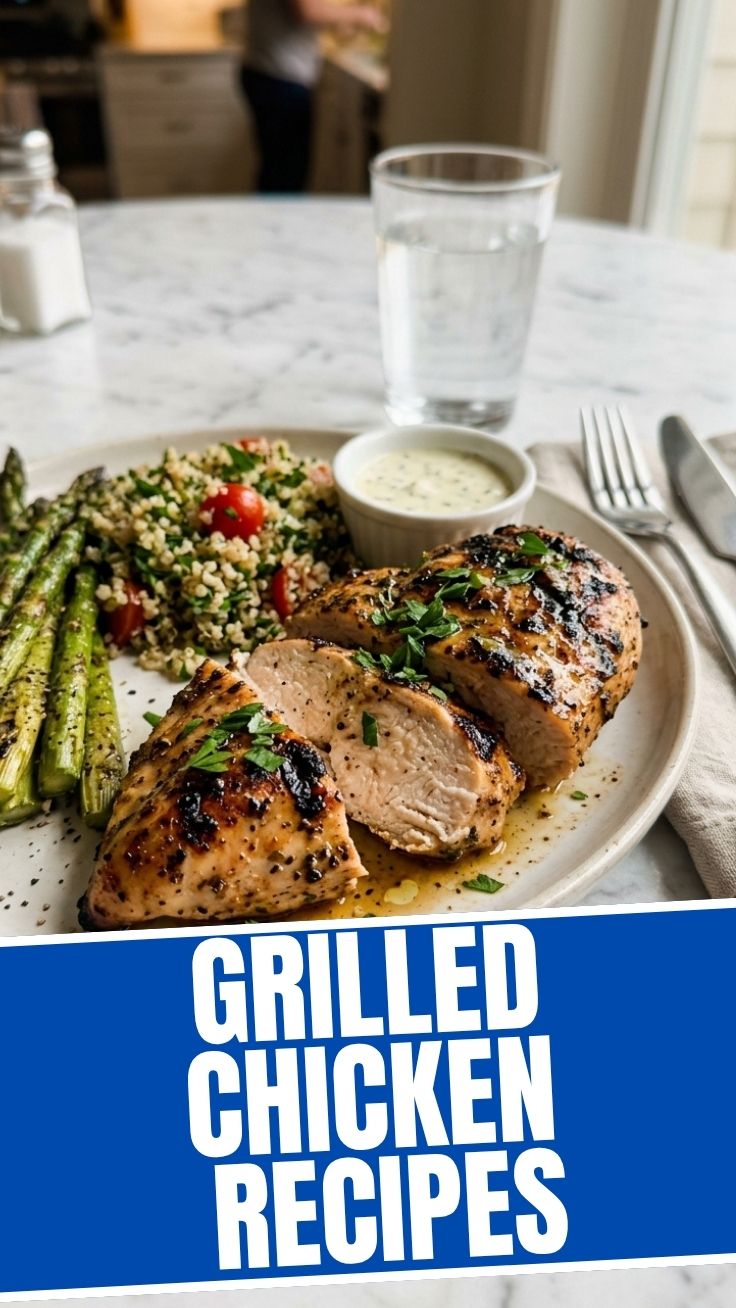
6. Rest the Chicken: Transfer the cooked chicken to a clean plate or cutting board and tent it loosely with foil. Let it rest for 5-10 minutes. This crucial step allows the juices to redistribute, resulting in incredibly moist and tender high protein grilled chicken recipes.
7. Serve: Slice or serve the grilled chicken whole, enjoying the delicious results of your culinary efforts!
Nutritional Benefits & Advantages
Grilled chicken is a powerhouse of nutrition, offering an excellent source of lean protein vital for muscle repair, growth, and satiety. It’s naturally low in saturated fat (especially boneless, skinless cuts) and a good source of essential vitamins and minerals like niacin, vitamin B6, phosphorus, and selenium. Grilling also minimizes the need for added oils, making it a healthier cooking method compared to frying. By preparing your own high protein grilled chicken recipes, you avoid hidden sugars, excessive sodium, and unhealthy fats often found in pre-marinated or restaurant versions.
Tips, Variations & Cooking Advice
- Flavor Variations: Experiment with different international flavors! Try adding soy sauce, ginger, and sesame oil for an Asian twist, or cumin, smoked paprika, and chili powder for a Southwestern flair.
- Ingredient Swaps: No fresh herbs? Use 1 teaspoon of dried herbs for every tablespoon of fresh. Out of lemon? Use lime juice or a tablespoon of apple cider vinegar.
- Alternative Cooking Methods: No grill? You can pan-sear the chicken on a cast-iron skillet over medium-high heat, or bake it in a preheated oven at 400°F (200°C) for 20-25 minutes, flipping halfway.
- Portion Control: Adjust chicken quantity based on your dietary needs. This recipe is easily scalable.
- Dietary Adaptations: This recipe is naturally gluten-free and dairy-free.
Common Mistakes to Avoid
- Not Pounding Chicken to Even Thickness: Leads to uneven cooking, with thinner parts drying out while thicker parts are still undercooked.
- Overcooking: The most common mistake! Overcooked chicken becomes dry and tough. Always use a meat thermometer.
- Not Resting the Chicken: Resting allows juices to reabsorb, resulting in a much more tender and flavorful outcome. Don’t skip it!
- Grilling Cold Chicken: Always let chicken come to room temperature for 15-20 minutes before grilling for more even cooking.
- Not Cleaning the Grill Grates: Leads to sticking and can impart unwanted burnt flavors.
Storage & Meal Prep Tips
Cooked grilled chicken can be stored in an airtight container in the refrigerator for up to 3-4 days. It’s an excellent component for meal prep! Slice it for salads, sandwiches, wraps, or as a side with roasted vegetables and grains. For longer storage, freeze cooled, cooked chicken in a freezer-safe bag or container for up to 2-3 months. Thaw overnight in the refrigerator. Reheat gently in the microwave, oven (covered), or on a stovetop with a splash of broth to retain moisture.
Conclusion
Embracing the art of grilling chicken at home is a game-changer for anyone seeking delicious, healthy, and versatile meals. By mastering the techniques outlined in this post, you’re not just cooking; you’re crafting nutritious culinary experiences that delight the senses. With fantastic high protein grilled chicken recipes and the right approach to grilled chicken marinades, you have endless possibilities at your fingertips. We encourage you to try this recipe, experiment with flavors, and share your grilled chicken triumphs with us!
FAQs
Q1: How do I prevent my chicken from sticking to the grill?
A1: Ensure your grill grates are clean and well-oiled before placing the chicken. Also, make sure the grill is sufficiently preheated.
Q2: Can I use frozen chicken for this recipe?
A2: Yes, but ensure the chicken is fully thawed before marinating and grilling. Thaw overnight in the refrigerator.
Q3: What are some good side dishes to pair with grilled chicken?
A3: Grilled vegetables, a fresh garden salad, quinoa, brown rice, roasted sweet potatoes, or a light pasta salad all pair wonderfully.
Q4: How can I tell if my chicken is cooked without a thermometer?
A4: While a thermometer is best, you can make a small cut into the thickest part of the chicken; if the juices run clear and the meat is opaque throughout, it’s likely done.
Q5: Can I make the marinade ahead of time?
A5: Absolutely! You can prepare the marinade up to 2-3 days in advance and store it in an airtight container in the refrigerator. Just add the chicken when you’re ready to marinate.