Elevate Your Side Dish Game: The Ultimate Guide to Creamy Garlic Mashed Potatoes
Ever wondered how to transform a humble potato into an irresistible, crowd-pleasing side dish? Forget bland and lumpy; we’re diving into the world of rich, velvety Garlic Mashed Potatoes. There’s an undeniable magic in a perfectly executed batch of mashed potatoes, especially when infused with the aromatic depth of roasted garlic. Making this culinary masterpiece at home isn’t just about saving money; it’s about control – control over the quality of ingredients, the seasoning, and ultimately, the unforgettable flavor. Prepare to impress everyone at your dinner table with this simple yet spectacular recipe.
Ingredients & Kitchen Tools
To embark on this creamy journey, gather the following:
2 lbs Russet or Yukon Gold Potatoes: (Peel and cut into 1-inch cubes) – These potato varieties are high in starch, leading to a fluffy, creamy texture.*
½ cup Whole Milk: (Warmed) – Adds richness and helps achieve the desired consistency.*
¼ cup Unsalted Butter: (Softened) – Essential for that decadent, buttery flavor.*
6-8 Cloves of roasted garlic: (See note below for quick roasting method) – The star flavor, offering a sweet, mellow, and intensely aromatic profile.*
1 tsp Sea Salt: (Or to taste) – Enhances all the flavors.*
½ tsp Black Pepper: (Freshly ground) – Adds a subtle kick.*
- Optional garnishes: Fresh chives, parsley, or a drizzle of olive oil.
Kitchen Tools:
- Large Pot: For boiling potatoes.
Potato Masher or Ricer: (Ricer is preferred for ultimate creaminess) – Breaks down potatoes without over-mixing, preventing gumminess.*
- Small Saucepan: For warming milk.
- Baking Dish or Aluminum Foil: For roasting garlic.
- Fork: To test potato tenderness.
- Mixing Spoon/Spatula: For combining ingredients.
Prep Time & Cooking Schedule
- Prep Time: 15 minutes (Includes peeling and chopping potatoes, roasting garlic)
- Cook Time: 20-25 minutes (Boiling potatoes, mashing)
Schedule Context: You can roast the garlic ahead of time to save on prep. The potatoes cook relatively quickly, making this an ideal last-minute side dish. Try to have your softened butter and warmed milk ready right after the potatoes are drained for seamless mashing.
Step-by-Step Instructions
1. Roast the Garlic (if not already done): Preheat your oven to 400°F (200°C). Cut off the top ¼ inch of a whole head of garlic to expose the cloves. Drizzle with a little olive oil, wrap in foil, and roast for 30-40 minutes, or until cloves are soft and golden. Squeeze out the pulp. This sweet and tangy roasted garlic is what elevates our mashed potatoes.
2. Boil the Potatoes: Place the cubed potatoes in the large pot and cover with cold water by about an inch. Add a generous pinch of salt to the water (this seasons the potatoes from the inside out!). Bring to a boil, then reduce heat and simmer for 15-20 minutes, or until fork-tender. Do not overcook, or they’ll become waterlogged.
3. Drain Thoroughly: This is crucial for non-watery Garlic Mashed Potatoes. Drain the potatoes completely in a colander. For extra dryness, return the potatoes to the empty hot pot over low heat for a minute or two, stirring gently to allow any residual moisture to evaporate.
4. Mash: Immediately return the hot, dry potatoes to the pot. Add the softened butter and the squeezed roasted garlic pulp. Begin mashing with a potato masher or ricer until smooth.
5. Incorporate Liquids & Seasoning: Gradually add the warmed milk, a little at a time, mashing or stirring until you reach your desired creamy consistency. Season with sea salt and freshly ground black pepper. Taste and adjust seasoning as needed.
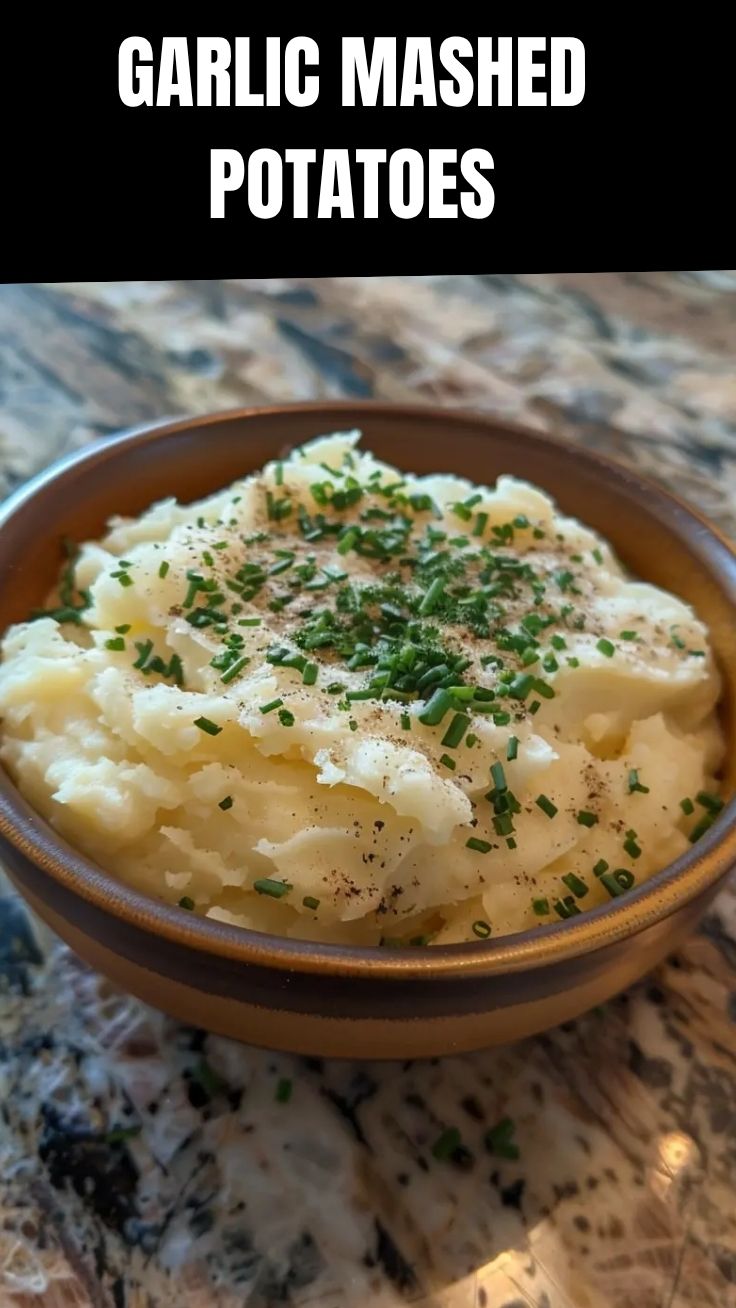
6. Serve: Transfer to a serving dish, garnish with fresh herbs if desired, and serve hot.
Nutritional Benefits & Advantages
Potatoes, often maligned, are actually a good source of Vitamin C, B6, potassium, and dietary fiber (especially if you leave some skin on, though not ideal for creamy mash). The addition of roasted garlic not only introduces incredible flavor but also beneficial compounds known for their antioxidant properties. This dish offers satisfying complex carbohydrates, providing sustained energy, and a dose of healthy fats from butter (in moderation) and potentially olive oil if used for roasting.
Tips, Variations & Cooking Advice
- For Ultra-Creamy Mash: A ricer is your best friend. It creates individual strands of potato, preventing the release of too much starch that can lead to gumminess.
- Dairy-Free Version: Substitute unsweetened almond milk and vegan butter.
- Flavor Boosts:
* Herby: Add fresh rosemary or thyme during mashing.
* Cheesy: Stir in grated Parmesan or sharp cheddar cheese.
* Spicy: A pinch of red pepper flakes or a dash of hot sauce.
* Brown Butter: Brown your butter in a small saucepan until fragrant before adding to the potatoes for a nutty depth.
Common Mistakes to Avoid
- Over-Boiling: Leads to watery, bland, and disintegrating potatoes. Stick to fork-tender.
- Under-Draining: The enemy of creamy mash. Ensure all water is gone.
- Over-Mashing/Using a Food Processor: Over-mashing develops starch, resulting in a gummy, gluey texture. Food processors are an absolute no-go for mashed potatoes.
- Adding Cold Dairy: Cold milk or butter can seize up the potatoes and make them lumpy. Always warm your milk and soften your butter.
Storage & Meal Prep Tips
Storage: Leftover Garlic Mashed Potatoes can be stored in an airtight container in the refrigerator for up to 3-4 days.
Reheating:
- Microwave: Reheat in small portions, stirring frequently.
- Stovetop: Place in a saucepan over low-medium heat, adding a splash of milk or cream to restore creaminess, stirring until heated through.
- Oven: Cover with foil and bake at 300°F (150°C) until warmed through.
These mashed potatoes do not freeze particularly well as the texture can become grainy upon thawing.
Conclusion
Mastering Garlic Mashed Potatoes with the exquisite flavor of deeply caramelized roasted garlic is a kitchen skill that will serve you well for years to come. This recipe proves that even the simplest ingredients, handled with care and a touch of culinary know-how, can produce truly memorable results. We encourage you to try this recipe, experiment with the suggested variations, and share your own creamy creations in the comments below! What’s your secret ingredient for perfect mashed potatoes?
FAQs
Q1: Can I use different types of garlic?
A1: While fresh minced garlic can be used, it offers a sharper, more pungent flavor. roasted garlic is highly recommended for its sweet, mellow, and complex profile, which integrates smoothly into the potatoes without being overpowering.
Q2: What if my mashed potatoes are too thick or too thin?
A2: If too thick, gradually stir in more warmed milk (or even a splash of cream) until desired consistency is reached. If too thin, this usually means too much liquid was added. Unfortunately, it’s hard to reverse, so add liquids sparingly. You might try incorporating a spoonful of instant potato flakes to absorb excess moisture, but this can affect the flavor and texture.
Q3: Can I make these ahead of time for a party?
A3: You can prepare the potatoes up to an hour or two in advance and keep them warm in a slow cooker on the “warm” setting, or in a heat-safe bowl set over a pot of simmering water (bain-marie), stirring occasionally. Add a splash of milk if they seem to thicken too much.
Q4: My mashed potatoes turned out gummy. What did I do wrong?
A4: Gummy mashed potatoes are usually caused by over-mashing or using a food processor. Overworking the potatoes breaks down their cell walls and releases excessive starch, leading to a gluey texture. Use a ricer or mash by hand only until smooth.