Unlock the Secret to Fluffy, Golden Cornbread: Your Ultimate Guide!
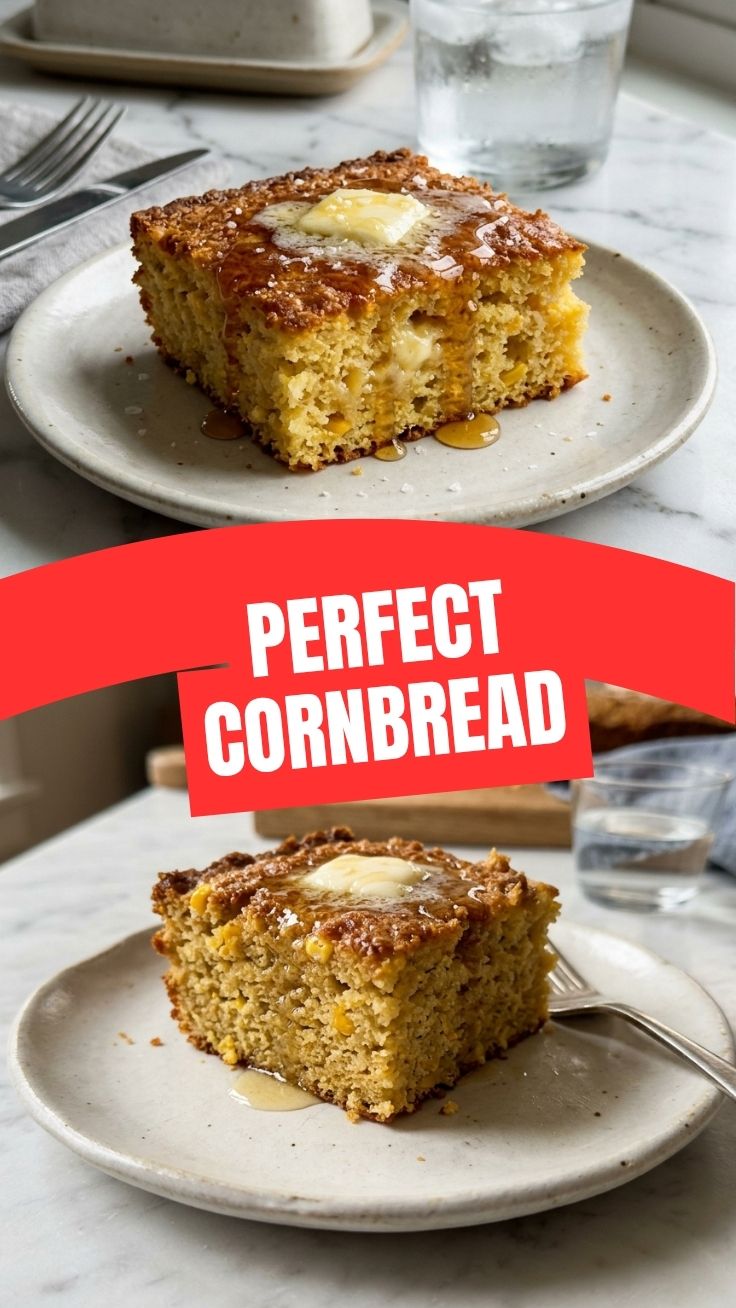
Ever wondered how to achieve that perfectly golden, tender, and slightly sweet slice of Cornbread, reminiscent of Southern comfort food? The good news is, mastering this beloved staple at home is not just achievable, but incredibly rewarding. Forget dry, crumbly imitations – today, we’re diving deep into the art of creating the most delectable Homemade cornbread you’ve ever tasted. With this comprehensive guide, you’ll unlock the secrets to a truly exceptional side dish that elevates any meal, from a hearty chili to a leisurely Sunday brunch. Preparing it yourself offers unparalleled control over ingredients, allowing you to tailor the sweetness and texture to your exact preference while avoiding unwanted additives found in store-bought versions.
Ingredients & Kitchen Tools
Gather your culinary arsenal! Here’s what you’ll need to conjure up your perfect batch:
- 1 ½ cups Yellow Cornmeal: Opt for a medium grind for a delightful texture. Avoid instant varieties for best results.
- 1 cup All-Purpose Flour: Provides structure and helps prevent a overly crumbly texture.
- ½ cup Granulated Sugar: Adjust to your sweetness preference; can be reduced to ¼ cup for a less sweet version.
- 1 tbsp Baking Powder: The leavening agent that gives cornbread its characteristic rise.
- ½ tsp Baking Soda: Works with the buttermilk to create a tender crumb.
- ½ tsp Salt: Enhances all the flavors.
- 1 ¼ cups Buttermilk: Adds moisture and a slight tang, reacting with baking soda for a fluffy texture. If you don’t have buttermilk, combine 1 ¼ cups milk with 1 tbsp lemon juice or vinegar and let sit for 5 minutes.
- ½ cup Milk (whole or 2%): For additional moisture and richness.
- 2 Large Eggs: Binds the ingredients together and adds richness.
- ¼ cup Unsalted Butter, melted: Adds flavor and keeps the cornbread moist.
- 2 tbsp Vegetable Oil or Bacon Grease (for skillet): For greasing the pan and achieving a crispy crust.
Kitchen Tools:
- 10-inch Cast Iron Skillet or 8×8 Baking Dish: Ideal for achieving a crispy exterior and even baking.
- Large Mixing Bowl: For combining dry and wet ingredients.
- Whisk: To thoroughly blend dry ingredients and lightly beat eggs.
- Measuring Cups & Spoons: For accurate ingredient quantities.
- Rubber Spatula: For scraping down the bowl and spreading batter.
- Oven Mitts: For safety when handling hot skillet/dish.
Prep Time & Cooking Schedule
- Prep Time: 10 minutes
- Cook Time: 20-25 minutes
- Resting Time: 5-10 minutes (after baking, before slicing)
This recipe is designed for efficiency. With only 10 minutes of prep, you can easily whip up this delicious side dish while your main course is cooking or resting. The resting time after baking is crucial for the Cornbread to set properly, making it easier to slice without crumbling.
Step-by-Step Instructions
Follow these steps for a perfect loaf every time:
1. Preheat & Grease: Preheat your oven to 400°F (200°C). If using a cast iron skillet, add the vegetable oil or bacon grease to the skillet and place it in the preheating oven for 5-10 minutes. This preheats the pan, ensuring a crispy bottom crust. If using a baking dish, grease it well with butter or cooking spray.
2. Combine Dry Ingredients: In a large mixing bowl, whisk together the yellow cornmeal, all-purpose flour, granulated sugar, baking powder, baking soda, and salt. Ensure there are no lumps.
3. Combine Wet Ingredients: In a separate medium bowl, whisk together the buttermilk, milk, eggs, and melted butter until well combined.
4. Combine Wet and Dry: Pour the wet ingredients into the dry ingredients. Stir just until combined. Be careful not to overmix; a few small lumps are perfectly fine and indicate a tender crumb. Overmixing develops gluten, leading to a tougher Cornbread.
5. Bake: Carefully remove the hot skillet from the oven. Pour the batter into the hot skillet (or prepared baking dish). The oil in the skillet will sizzle, which is exactly what you want for that golden, crispy crust.
6. Bake for 20-25 minutes, or until the top is golden brown and a wooden skewer inserted into the center comes out clean.
7. Cool: Let the Homemade cornbread cool in the skillet or baking dish on a wire rack for 5-10 minutes before slicing and serving. This allows the internal structure to set.
Nutritional Benefits & Advantages
Beyond its delicious flavor, Cornbread offers some notable nutritional benefits. Cornmeal, particularly whole grain varieties, is a good source of dietary fiber, which aids digestion and can help regulate blood sugar. It also provides essential minerals like iron, phosphorus, and magnesium. The eggs contribute protein and vital nutrients like choline, while buttermilk adds calcium and probiotics (if using traditional cultured buttermilk). Compared to white bread, cornbread often has a lower glycemic index due to its fiber content, making it a more sustained energy source.
Tips, Variations & Cooking Advice
- Spice it Up: Add a pinch of cayenne pepper or a chopped jalapeño for a spicy kick.
- Cheese Please: Fold in ½ cup of shredded cheddar or Monterey Jack cheese for a savory twist.
- Sweet & Savory: Incorporate cooked corn kernels or a handful of fresh blueberries for different flavor profiles.
- Gluten-Free: Substitute the all-purpose flour with a 1:1 gluten-free baking blend that contains xanthan gum. Ensure your cornmeal is also certified gluten-free.
- Dairy-Free: Use a dairy-free milk substitute (almond, soy, or oat milk) and whisk 1 tbsp apple cider vinegar into 1 ¼ cups of your chosen milk to create dairy-free “buttermilk.” Use a plant-based butter alternative.
- Muffin Magic: Pour the batter into a greased muffin tin for individual cornbread muffins. Reduce baking time to 15-20 minutes.
Common Mistakes to Avoid
Overmixing the Batter: This develops gluten, leading to a tough, dense Cornbread. Mix just* until the ingredients are combined.
- Not Preheating the Skillet: Skipping this step results in a soggy bottom crust instead of a wonderfully crispy one.
- Overbaking: Leads to dry, crumbly cornbread. Keep an eye on the clock and check for doneness with a skewer.
- Using Too Much Sugar: While some sweetness is traditional, too much sugar can make the cornbread cake-like rather than savory-sweet. Adjust to your preference.
Storage & Meal Prep Tips
Leftover Cornbread can be stored in an airtight container at room temperature for up to 2-3 days. For longer storage, refrigerate for up to a week. To freeze, wrap individual slices tightly in plastic wrap, then place them in a freezer-safe bag for up to 3 months. Thaw at room temperature or reheat directly from frozen in a moderate oven (300°F/150°C) until warmed through. This maintains its texture better than microwaving. It makes an excellent base for cornbread dressing or crumbled into soup.
Conclusion
There you have it – your definitive guide to crafting the perfect Cornbread. From the satisfying crispness of the crust to the tender, flavorful crumb within, mastering this recipe is a culinary triumph. Whether served alongside chili, stew, or as a delightful snack with a dollop of butter and honey, your Homemade cornbread is sure to impress. Don’t be afraid to experiment with the variations to make it truly your own. Give this recipe a try and share your golden results in the comments below! What’s your favorite way to enjoy this comforting classic?
FAQs
Q1: Can I make this with white cornmeal?
A: Yes, you can! White cornmeal will result in a lighter color and a slightly milder corn flavor, but the textural outcome will be similar.
Q2: My cornbread is too dry, what went wrong?
A: Overbaking is the most common culprit for dry cornbread. Ensure you’re baking only until a skewer comes out clean, and try adding an extra tablespoon or two of milk or buttermilk next time for added moisture.
Q3: Can I substitute the butter with oil?
A: Yes, you can use an equal amount of vegetable oil or melted coconut oil instead of butter for a slightly different flavor profile and for dairy-free needs.
Q4: How do I get a super crispy crust?
A: The key is a properly preheated cast iron skillet with a generous amount of fat (oil or bacon grease). The hotter the skillet, the crispier the crust!
Q5: What’s the difference between Northern and Southern cornbread?
A: Southern Cornbread often contains little to no sugar and is traditionally made with buttermilk and bacon grease, baked in a cast iron skillet. Northern variations tend to be sweeter and lighter, sometimes with added flour and less cornmeal. This recipe offers a delightful balance, leaning towards the Southern style but with a touch of sweetness.