Elevate Your Holiday Table: Unlocking the Secrets of Perfect Cornbread Dressing
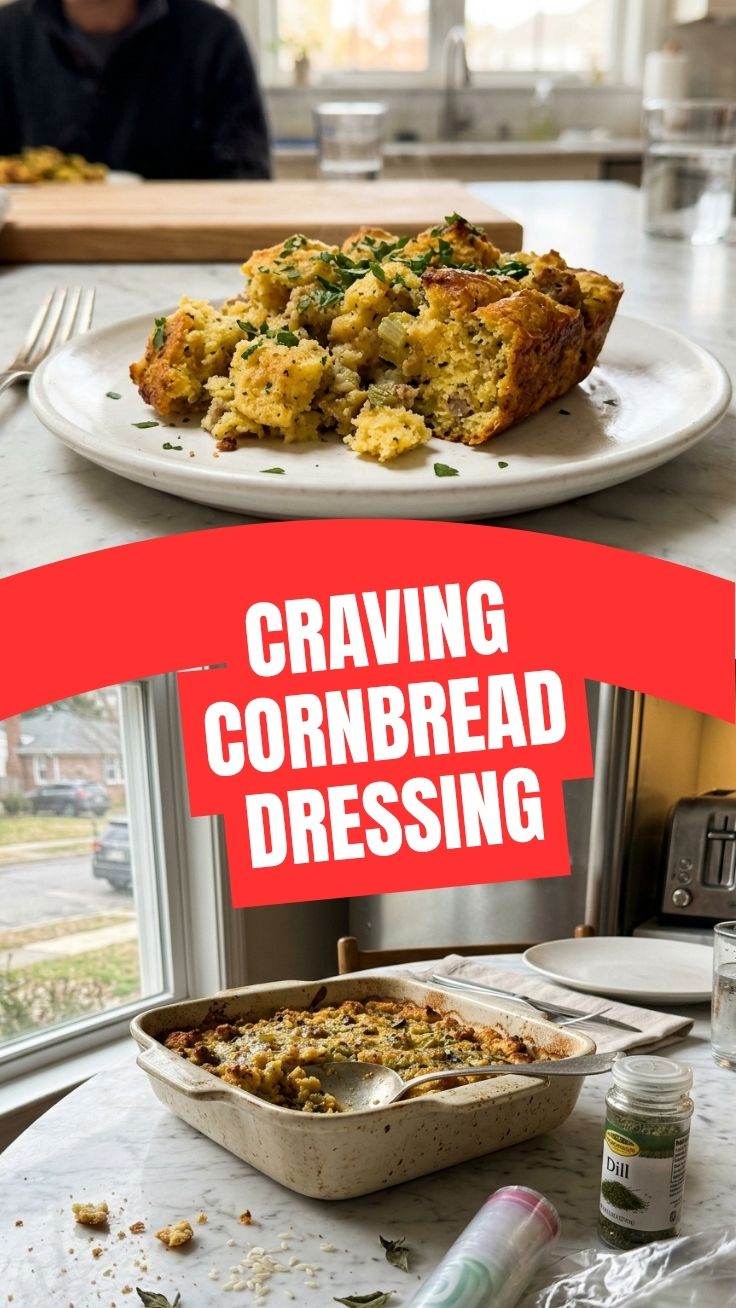
Ever wondered what makes a holiday meal truly unforgettable? Often, it’s the comforting, savory side dishes that steal the show, and few do it better than a perfectly executed Cornbread Dressing. This isn’t just another side; it’s a culinary hug, a tradition, and a dish that evokes warmth and nostalgia. Preparing this classic at home allows you to control every ingredient, infuse it with personal touches, and create a truly bespoke experience that store-bought versions simply can’t match. Imagine the aroma filling your kitchen—a symphony of herbs, savory broth, and tender cornbread. Mastering a delightful Southern Cornbread Dressing is a skill that will serve you well for countless gatherings, making you the undisputed star of every feast.
Ingredients & Kitchen Tools
To embark on this delightful culinary journey, gather the following:
Ingredients:
- 1 batch (8×8 inch) cornbread, day-old: Crucial for the right texture; fresh cornbread can make the dressing too mushy. You can use your favorite recipe or a good quality store-bought one.
- 1 cup unsalted butter (2 sticks): Adds richness and helps sauté aromatics.
- 2 large yellow onions, finely diced: Provides a sweet and savory base.
- 4 stalks celery, finely diced: Adds crunch and aromatic depth.
- 1 bell pepper (any color), finely diced: For a touch of color and sweetness.
- 4 cloves garlic, minced: Essential for a robust flavor profile.
- 3 cups low-sodium chicken or vegetable broth: The liquid base for moisture and flavor. Adjust as needed for desired consistency.
- 2 large eggs, lightly beaten: Acts as a binder, preventing the dressing from crumbling.
- 1/2 cup fresh parsley, chopped: Adds a fresh, herbaceous note.
- 2 tablespoons fresh sage, finely chopped: The quintessential herb for stuffing and dressing. Dried sage (1 tsp) can be substituted.
- 1 teaspoon dried thyme: Another traditional herb that complements the sage beautifully.
- 1 teaspoon salt (or to taste): Enhances all the flavors.
- 1/2 teaspoon black pepper (or to taste): Provides a subtle warmth.
- Pinch of cayenne pepper (optional): For a hint of heat.
Kitchen Tools:
- Large mixing bowl: For combining all ingredients.
- Large skillet or Dutch oven: For sautéing vegetables.
- 9×13 inch baking dish: The ideal size for baking the dressing.
- Measuring cups and spoons: For accurate ingredient quantities.
- Sharp knife and cutting board: For prepping vegetables.
- Spatula or wooden spoon: For mixing and stirring.
Prep Time & Cooking Schedule
- Prep Time: 30 minutes
- Cook Time: 45-50 minutes
- Resting Time: 10 minutes (after baking)
Planning is key for a stress-free cooking experience. You can prepare the cornbread a day or two in advance. Chopping the vegetables can also be done ahead of time, storing them in airtight containers in the refrigerator. This modular approach breaks down the task, making it more manageable for busy schedules, especially around holidays.
Step-by-Step Instructions
1. Prepare the Cornbread: If not already done, crumble or cube your day-old cornbread into bite-sized pieces and spread them on a baking sheet. You can lightly toast them in a 250°F (120°C) oven for 15-20 minutes to further dry them out, which prevents a soggy dressing. Transfer to a large mixing bowl.
2. Sauté the Aromatics: In a large skillet or Dutch oven, melt the butter over medium heat. Add the diced onions, celery, and bell pepper. Sauté for 8-10 minutes until softened and translucent. Add the minced garlic, fresh sage, and dried thyme, cooking for another minute until fragrant.
3. Combine Ingredients: Pour the sautéed aromatic mixture over the crumbled cornbread in the large mixing bowl. Add the chopped fresh parsley, salt, black pepper, and cayenne (if using). Gently toss to combine, ensuring the cornbread is evenly coated with the butter and herbs.
4. Add Liquid and Binder: In a separate small bowl, whisk the two large eggs. Pour the beaten eggs over the cornbread mixture. Gradually add the chicken or vegetable broth, 1 cup at a time, mixing gently after each addition. You’re aiming for a moist but not soupy consistency. The mixture should hold together when pressed. This is where the magic of a perfect Cornbread Dressing truly begins to take shape, infusing every morsel with flavor.
5. Bake to Perfection: Transfer the mixture to a greased 9×13 inch baking dish. Spread it evenly. Bake in a preheated oven at 375°F (190°C) for 45-50 minutes, or until the top is golden brown and a thermometer inserted into the center reads 165°F (74°C). The edges should be slightly crispy, while the inside remains moist and tender. This thoughtful preparation is what distinguishes a good Southern Cornbread Dressing from an exceptional one.
6. Rest and Serve: Once baked, remove the dressing from the oven and let it rest for 10 minutes before serving. This allows the dressing to set and makes it easier to serve.
Nutritional Benefits & Advantages
This homemade Cornbread Dressing, while often seen as an indulgence, offers more than just comfort. The abundance of vegetables like onions, celery, and bell peppers provides essential vitamins, minerals, and dietary fiber, promoting digestive health. Using low-sodium broth helps manage salt intake, and if vegetable broth is chosen, it’s suitable for vegetarian diets. Eggs contribute protein, and fresh herbs like sage and thyme are packed with antioxidants. Making it from scratch allows for conscious ingredient choices, such as organic vegetables or whole-grain cornbread, enhancing its nutritional profile beyond typical store-bought options.
Tips, Variations & Cooking Advice
- Spice it up: Add a diced jalapeño or a pinch of red pepper flakes for a spicier kick.
- Add Meat: For a heartier dressing, brown 1/2 pound of sausage (sage sausage works wonderfully) or cooked, shredded chicken with the vegetables.
- Nutty Flavor: Toast pecans or walnuts and fold them into the mixture for added texture and a rich, nutty flavor.
- Gluten-Free: Simply use gluten-free cornbread and ensure your broth is also gluten-free.
- Dairy-Free: Use a plant-based butter alternative and an unsweetened plant-based milk (if your cornbread recipe calls for milk).
- Herb Customization: Experiment with other fresh herbs like rosemary or marjoram for different aromatic profiles.
- Crispier Top: For an extra crispy top, increase the last 5-10 minutes of baking time or finish under the broiler for a minute (watch carefully!).
Common Mistakes to Avoid
- Using fresh cornbread: This is the cardinal sin of cornbread dressing! Fresh cornbread absorbs too much liquid and results in a soggy, dense dressing. Always use day-old or lightly toasted, dried cornbread.
- Over-mixing: Treat the cornbread crumbs gently. Over-mixing can break down the cornbread too much, leading to a pasty texture.
- Not enough liquid (or too much): This is a delicate balance. Too little liquid results in a dry, crumbly dressing, while too much makes it soupy. Add broth gradually until the mixture is moist but not swimming.
- Under-seasoning: Given the volume of ingredients, this dish needs ample seasoning. Taste the mixture before adding eggs and broth, and adjust salt and pepper.
- Baking at too high a temperature: High heat can dry out the dressing quickly. Stick to the recommended oven temperature for even cooking and a moist interior.
Storage & Meal Prep Tips
Leftover Cornbread Dressing stores beautifully. Allow it to cool completely, then transfer it to an airtight container. It can be refrigerated for up to 3-4 days. For longer storage, freeze portions in freezer-safe containers for up to 3 months. To reheat, thaw overnight in the refrigerator if frozen. Reheat in a preheated oven at 300°F (150°C) until warmed through, often covered with foil to prevent drying out. You can also microwave individual portions, though the texture might be slightly softer.
Conclusion
Creating a homemade Cornbread Dressing is a fulfilling and rewarding culinary endeavor. It’s more than just a dish; it’s a centerpiece of comfort and tradition, capable of transforming any meal into a memorable feast. By following these detailed steps and embracing the tips provided, you are now equipped to craft a truly exceptional Southern Cornbread Dressing that will delight your family and friends. We encourage you to try this recipe, experiment with the variations, and certainly share your delicious results with us! What are your favorite additions to dressing?
FAQs
Q1: Can I make the cornbread dressing ahead of time?
A1: Yes, you can assemble the entire dressing mixture in the baking dish, cover it, and refrigerate up to 24 hours before baking. Let it come to room temperature for about 30 minutes before baking for best results.
Q2: What kind of cornbread is best for this recipe?
A2: A relatively plain, unsweetened cornbread works best as it allows the savory flavors of the dressing to shine. Day-old or slightly dried out cornbread is crucial for the right texture.
Q3: My dressing came out dry. What went wrong?
A3: This usually means you didn’t add enough liquid (broth) or your cornbread was too dry initially and absorbed too much. Next time, add broth gradually until the mixture is moist and holds together when squeezed, but isn’t soggy.
Q4: Can I use fresh herbs instead of dried?
A4: Absolutely! Fresh herbs provide a more vibrant flavor. The general rule of thumb is to use three times the amount of fresh herbs as dried (e.g., 3 teaspoons fresh sage for 1 teaspoon dried).