Savor the Comfort: Your Guide to the Ultimate Homemade Chicken Soup
Ever wondered what makes a bowl of Chicken Soup so profoundly comforting? Beyond its soothing warmth, it’s a dish steeped in tradition, nourishment, and the simple joy of home cooking. In a world saturated with quick fixes, taking the time to craft your own Chicken Soup is an act of culinary love, offering unparalleled flavor and a bounty of health benefits. Forget the canned alternatives – preparing this classic at home allows you to control every ingredient, tailoring it to your exact preferences and ensuring a truly wholesome meal. Plus, mastering this foundational recipe opens the door to countless delicious chicken soup recipes, making it a cornerstone of your culinary repertoire.
Ingredients & Kitchen Tools
- Whole Chicken (3-4 lbs): Bone-in, skin-on for maximum flavor. You can also use bone-in chicken pieces like thighs and drumsticks.
- Carrots (4 medium): Peeled and chopped into ½-inch rounds. Adds natural sweetness and vibrant color.
- Celery Stalks (4 medium): Chopped into ½-inch pieces. Essential aromatic for classic soup flavor.
- Yellow Onion (1 large): Roughly chopped. The base of many savory dishes, providing depth.
- Garlic (4-6 cloves): Minced or smashed. Aromatic and immunity-boosting.
- Bay Leaves (2): Adds subtle herbal notes; remember to remove before serving.
- Fresh Thyme (4-5 sprigs): Woody, earthy herb that pairs wonderfully with chicken.
- Salt (to taste): Kosher or sea salt recommended for better flavor control.
- Black Peppercorns (1 tsp): Whole or freshly ground for a pungent kick.
- Water or Chicken Broth (8-10 cups): Water works, but good quality broth enhances flavor significantly.
- Egg Noodles (1 cup, optional): Or your preferred pasta for a heartier meal. Cook separately if adding to avoid sogginess.
- Fresh Parsley (¼ cup, chopped): For garnish and a fresh, herbaceous finish.
- Large Stockpot (8-10 quart): Essential for making a big batch of soup.
- Fine-Mesh Sieve or Colander: For straining the broth.
- Ladle: For serving.
- Cutting Board & Chef’s Knife: For all your chopping needs.
Prep Time & Cooking Schedule
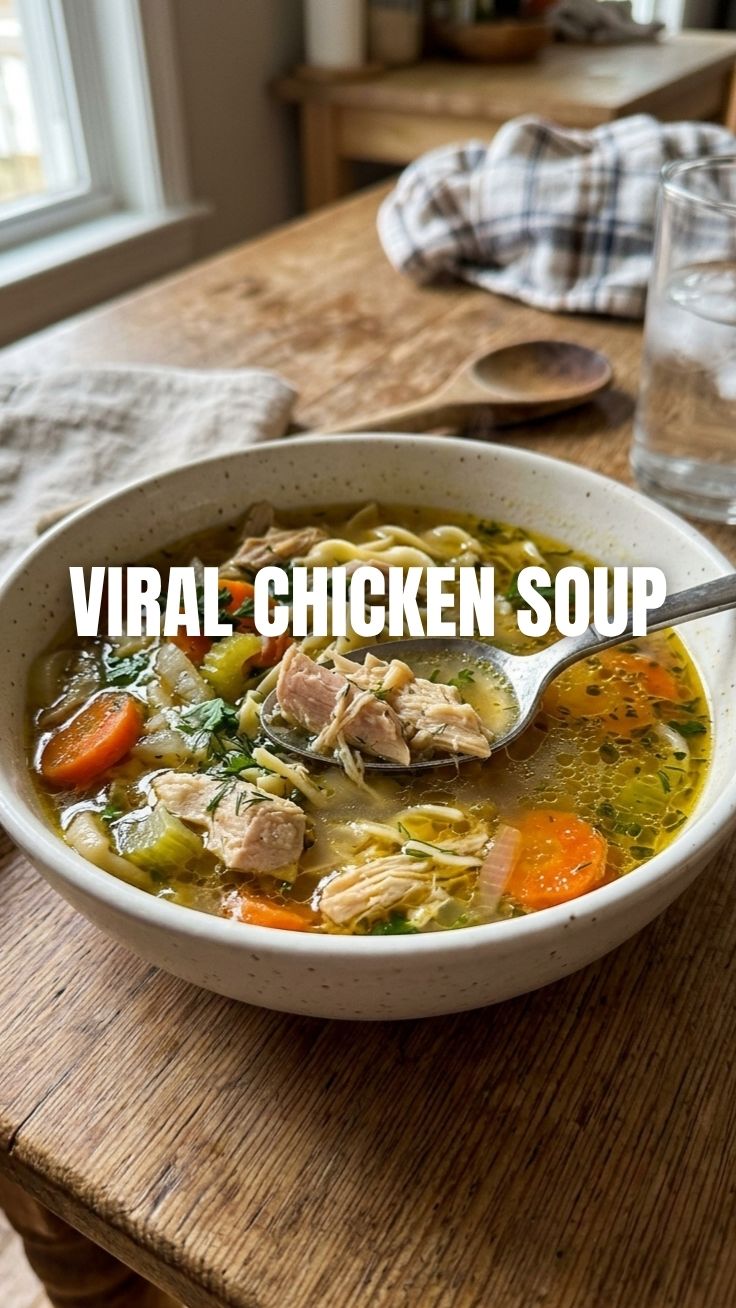
- Prep Time: 20-30 minutes (This includes chopping vegetables and preparing the chicken).
- Cook Time: 2-3 hours (This allows ample time for the chicken to cook through and the flavors to meld beautifully. If using a slow cooker, extend to 6-8 hours on low).
- Resting Time (Optional): 15-20 minutes after cooking the chicken to cool slightly before shredding. This makes handling easier.
Plan to start your soup in the late afternoon for a cozy dinner. The longer simmer ensures a rich, flavorful broth, so don’t rush this stage!
Step-by-Step Instructions
1. Prepare the Chicken: Rinse the whole chicken under cold water and pat dry with paper towels. Place it in your large stockpot. Add half the chopped onion, bay leaves, thyme sprigs, and half the black peppercorns. Cover with water or chicken broth, ensuring the chicken is fully submerged.
2. Simmer for Flavor: Bring the mixture to a gentle boil, then reduce heat to low, cover, and simmer for 1.5 to 2 hours, or until the chicken is cooked through and easily falls off the bone. Skim any foam that rises to the surface during the initial simmering.
3. Strain the Broth: Carefully remove the chicken from the pot and set aside to cool. Strain the broth through a fine-mesh sieve or colander into a separate clean pot or large bowl. Discard the spent vegetables and aromatics. This step is crucial for a clear and flavorful base for our ultimate Chicken Soup.
4. Shred the Chicken: Once the chicken is cool enough to handle, remove the skin and bones. Shred the meat into bite-sized pieces using two forks.
5. Sauté Aromatics: In the same stockpot (cleaned or wiped out), add a tablespoon of olive oil. Sauté the remaining chopped onion, carrots, and celery over medium heat for 5-7 minutes until softened. Add the minced garlic and cook for another minute until fragrant.
6. Combine and Simmer: Pour the strained chicken broth back into the pot with the sautéed vegetables. Add the shredded chicken. Bring to a simmer and cook for 15-20 minutes, allowing the flavors to meld. If adding egg noodles (or other pasta), cook them separately according to package directions and add them to individual bowls during serving, or add them to the main pot during the last 5-7 minutes of simmering if you plan to serve all at once. This prevents them from becoming soggy if you have leftovers, a common pitfall in preparing many chicken soup recipes.
7. Season and Serve: Season the soup generously with salt and black pepper to taste. You might need more than you think! Garnish with fresh chopped parsley before serving.
Nutritional Benefits & Advantages
Homemade Chicken Soup is more than just comfort food; it’s a nutritional powerhouse. Rich in lean protein from the chicken, it supports muscle repair and growth. The vegetables – carrots, celery, and onions – add vital vitamins, minerals, and antioxidants, boosting immunity. The gelatin from the chicken bones, extracted during simmering, is excellent for gut health and joint support. This low-calorie, nutrient-dense meal is often recommended for colds and flu due to its hydrating properties and anti-inflammatory compounds.
Tips, Variations & Cooking Advice
- Flavor Boosters: For extra depth, roast the chicken and vegetables before simmering. A splash of apple cider vinegar can also help extract more minerals from the bones.
- Herb Variations: Experiment with rosemary, sage, or even a pinch of dried oregano instead of thyme.
- Vegetable Swaps: Add peas, corn, potatoes, or spinach in the last 10 minutes of cooking.
- Heartier Options: For a thicker soup, mash a portion of the cooked vegetables or add a spoonful of rice or quinoa during the last 20 minutes of simmering.
- Dietary Adaptations:
* Gluten-Free: Ensure your broth is gluten-free and use gluten-free pasta or rice.
* Dairy-Free: This recipe is naturally dairy-free.
* Low-Sodium: Use unsalted broth and control salt additions carefully.
Common Mistakes to Avoid
- Overcooking Vegetables: Adding vegetables too early can make them mushy. Add them to the strained broth for a fresher texture.
- Soggy Noodles: Cook noodles separately and add them to individual bowls or add them to the main pot only if serving immediately.
- Skimping on Seasoning: Broth needs a good amount of salt to truly sing. Don’t be afraid to taste and adjust!
- Not Skimming Foam: Failing to skim the foam during the initial simmer can result in a cloudy broth.
- Discarding Bones Too Soon: The bones are where much of the flavor and nutrients come from. Let them simmer sufficiently.
Storage & Meal Prep Tips
Leftover Chicken Soup is often even better the next day as flavors continue to meld.
- Refrigeration: Store in airtight containers in the refrigerator for up to 3-4 days.
- Freezing: This soup freezes beautifully! Divide into single-serving portions in freezer-safe containers or bags. It can be frozen for up to 3 months. Thaw overnight in the refrigerator before reheating.
- Reheating: Reheat gently on the stovetop over medium-low heat, stirring occasionally, until warmed through. Avoid boiling vigorously, especially if noodles are present. If reheating frozen soup, you may need a splash of water or broth to adjust the consistency.
Conclusion
Crafting your own batch of homemade Chicken Soup is a deeply rewarding experience, delivering unmatched flavor, warmth, and nourishment. This comprehensive guide has equipped you with the knowledge to create a truly spectacular pot of goodness, from selecting the right ingredients to mastering the perfect simmer. We encourage you to try this recipe, experiment with the suggested variations, and experience the profound satisfaction of a meal made with love. Share your culinary creations and favorite chicken soup recipes in the comments below! Happy cooking!
FAQs
Q1: Can I use boneless, skinless chicken breasts or thighs?
A1: Yes, you can, but the broth won’t be as rich. If using boneless pieces, add them to the broth about 30-40 minutes before it’s done simmering to prevent them from drying out, then follow the shredding steps.
Q2: How can I make my broth clearer?
A2: Skim off any foam that rises during the initial simmering. Additionally, avoid boiling the broth too vigorously, as this can emulsify fats and lead to cloudiness. Straining through cheesecloth after the sieve can also help.
Q3: What if my soup is bland?
A3: Don’t be afraid to season! Salt is crucial. Gradually add more salt and a pinch of black pepper, tasting as you go. A squeeze of fresh lemon juice at the end can also brighten flavors.
Q4: Can I make this in a slow cooker?
A4: Absolutely! Combine all ingredients (except pasta/noodles) in your slow cooker. Cook on low for 6-8 hours or on high for 3-4 hours. Strain the broth, shred the chicken, and add back to the pot along with sautéed vegetables (if desired) for the last 30 minutes.
Q5: What are some good additions for spice?
A5: For a kick, add a pinch of red pepper flakes during the vegetable sauté, or a dash of hot sauce to individual bowls before serving. You might even explore some spicy chicken soup recipes for a different flavor profile.