Unlock the Juiciest Secrets to Savory Turkey Tenderloin: Your Ultimate Guide
Ever wonder how to transform a simple cut of poultry into a culinary masterpiece that’s both healthy and incredibly flavorful? You’re in the right place! Today, we’re diving deep into the world of the Turkey Tenderloin – a lean, versatile, and often overlooked protein that deserves a starring role on your dinner table. Forget dry, bland turkey; this guide will equip you with all the knowledge to create a tender, succulent dish that will impress even the most discerning palates. Preparing this at home not only ensures fresh, high-quality ingredients but also allows you to control the flavors and perfect the cooking process, making it a valuable addition to your culinary repertoire. And for those looking to expand their fall holiday meal planning, mastering this recipe can be a fantastic stepping stone to perfecting your Thanksgiving Turkey Recipes repertoire.
Ingredients & Kitchen Tools
Crafting the perfect Turkey Tenderloin requires a blend of quality ingredients and essential kitchen gear. Here’s what you’ll need:
- 1-1.5 lbs Turkey Tenderloin: The star of our show, choose fresh, hormone-free for best results.
- 2 tbsp Olive Oil: Extra virgin, for searing and flavor.
- 1 tsp Dried Rosemary: Adds a classic aromatic, substitute with 1 tbsp fresh chopped.
- 1 tsp Dried Thyme: Complements the rosemary, substitute with 1 tbsp fresh chopped.
- 1/2 tsp Garlic Powder: For a subtle garlic undertone, 2 cloves fresh minced garlic can be used.
- 1/2 tsp Onion Powder: Enhances savory depth.
- 1/4 tsp Black Pepper (freshly ground): For a piquant kick.
- 1/2 tsp Salt (kosher or sea salt): Elevates all flavors. Adjust to taste.
- 1/2 cup Chicken Broth (low sodium): Adds moisture and creates a pan sauce. Vegetable broth works too.
- Optional: 1 tbsp Butter: For a richer pan sauce.
- Optional: Fresh Parsley (for garnish): Adds a pop of color and freshness.
Kitchen Tools:
- Large Skillet (oven-safe, cast iron recommended): For searing and roasting.
- Meat Thermometer: Crucial for ensuring perfect doneness.
- Tongs: For handling the tenderloin.
- Cutting Board: For prep and carving.
- Sharp Knife: For precise carving.
- Small Bowl: For mixing seasonings.
Prep Time & Cooking Schedule
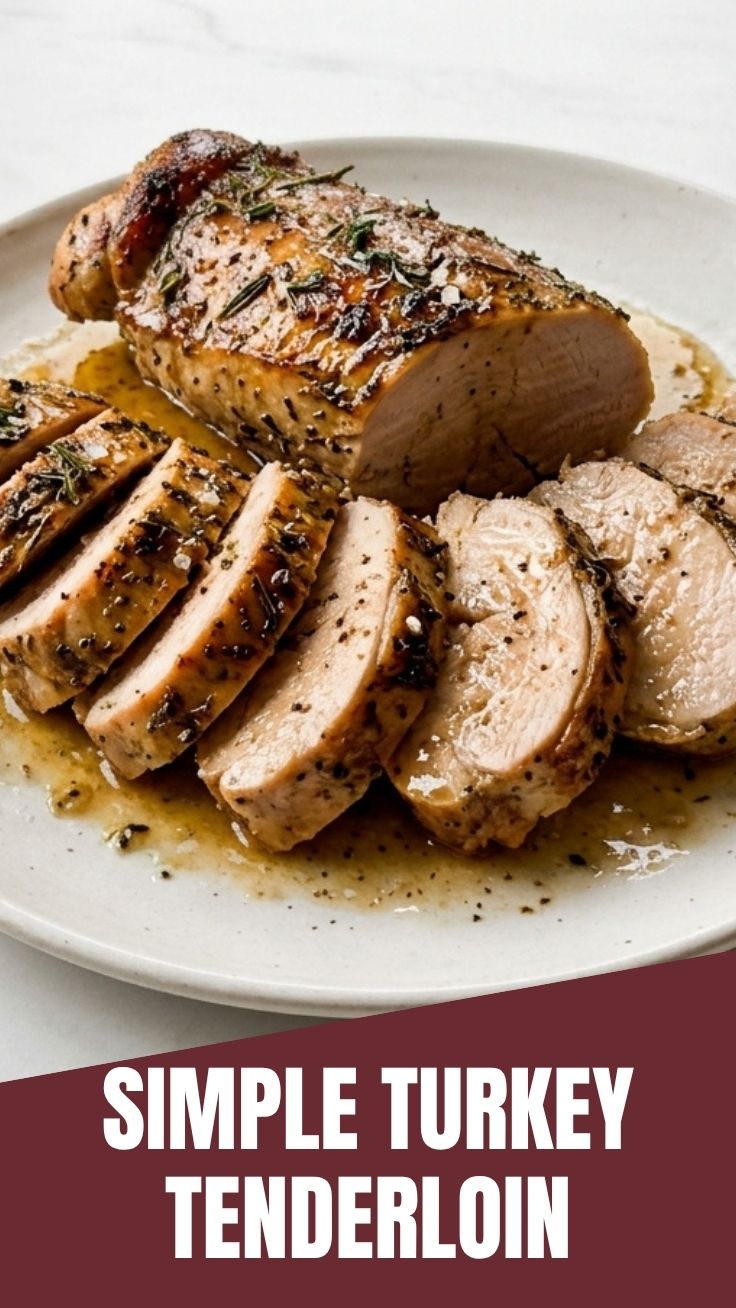
Planning is key to a stress-free cooking experience.
- Prep Time: 15 minutes (includes seasoning and bringing to room temperature)
- Cook Time: 20-25 minutes (searing and roasting)
- Resting Time: 10 minutes (crucial for juicy results)
- Total Time: Approximately 45-50 minutes
To plan your meal effectively, start preparing side dishes while the Turkey Tenderloin is resting. This allows everything to be ready and hot at the same time.
Step-by-Step Instructions
Ready to transform your oven-safe skillet into a flavor powerhouse? Let’s get cooking!
1. Prepare the Turkey Tenderloin: Pat the Turkey Tenderloin dry with paper towels. This helps achieve a beautiful sear. In a small bowl, combine salt, pepper, garlic powder, onion powder, dried rosemary, and dried thyme. Evenly rub this seasoning mixture all over the tenderloin. Let it sit at room temperature for 15 minutes while you preheat your oven.
2. Preheat Oven & Skillet: Preheat your oven to 375°F (190°C). Place your large, oven-safe skillet over medium-high heat and add the olive oil. Allow the oil to shimmer.
3. Sear the Tenderloin: Carefully place the seasoned tenderloin into the hot skillet. Sear for 3-4 minutes per side, until a beautiful golden-brown crust forms. This step is essential for developing deep flavor.
4. Roast to Perfection: Once seared, pour the chicken broth into the skillet (and butter if using). Immediately transfer the skillet to the preheated oven. Roast for 15-20 minutes, or until the internal temperature reaches 160°F (71°C) when measured with a meat thermometer at the thickest part. Remember that the temperature will rise slightly during resting. This method is incredibly reliable for achieving a succulent Thanksgiving Turkey Recipes style tenderness.
5. Rest and Serve: Remove the skillet from the oven. Carefully transfer the turkey tenderloin to a cutting board, tent it loosely with foil, and let it rest for a full 10 minutes. This allows the juices to redistribute, ensuring a tender and moist final product. Slice against the grain and serve with the pan juices.
Nutritional Benefits & Advantages
The Turkey Tenderloin stands out as a lean protein powerhouse. It’s an excellent source of high-quality protein, essential for muscle repair and growth, without the high-fat content often found in other meats. It’s also rich in B vitamins, particularly B6 and B12, which are vital for energy metabolism and nervous system health. Furthermore, turkey provides selenium, a powerful antioxidant, and zinc, which supports immune function. Opting for this dish over fattier alternatives contributes to a heart-healthy diet and aids in weight management, thanks to its high satiety levels.
Tips, Variations & Cooking Advice
- Flavor Variations: Experiment with different herb blends! Try sage and thyme for a more traditional feel, or a smoky paprika and cumin blend for a Mediterranean twist.
- Marinades: For even more flavor and tenderness, marinate the turkey tenderloin for at least 30 minutes (or up to 4 hours) in a mixture of olive oil, lemon juice, garlic, and herbs.
- Alternative Cooking Methods: While skillet-to-oven is our preferred method, you can grill the tenderloin (direct heat for searing, then indirect heat to finish) or even sous vide it for ultimate precision.
- Sauce: Enhance the pan drippings by whisking in a pat of butter, a splash of white wine, or a teaspoon of Dijon mustard for a quick, flavorful sauce.
- Dietary Adaptations: This recipe is naturally gluten-free and dairy-free (if you omit the optional butter).
Common Mistakes to Avoid
- Overcooking: This is the most common pitfall! Turkey tenderloin is lean and will dry out quickly if cooked past 165°F (74°C). Always use a meat thermometer.
- Not Resting: Skipping the resting step means all the delicious juices will run out onto your cutting board, leaving the meat dry. Patience is a virtue here!
- Cold Turkey: Cooking meat straight from the fridge can lead to uneven cooking. Allow it to come to room temperature for 15-20 minutes before searing.
- Crowding the Pan: If you’re cooking multiple tenderloins, ensure they have enough space in the skillet to sear properly. Otherwise, they will steam instead of brown.
Storage & Meal Prep Tips
Leftover turkey tenderloin makes for fantastic meal prep!
- Refrigeration: Store cooked and cooled turkey tenderloin in an airtight container in the refrigerator for up to 3-4 days.
- Freezing: For longer storage, slice the cooked tenderloin and freeze it in a single layer on a baking sheet before transferring to a freezer-safe bag or container. It can be frozen for up to 2-3 months.
- Reheating: To maintain moisture, reheat gently. Slice the turkey and warm it in a skillet with a splash of chicken broth, or microwave briefly until just heated through. Avoid aggressive reheating that can dry out the meat.
Conclusion
Mastering the art of cooking Turkey Tenderloin is a culinary game-changer. With its lean profile, quick cooking time, and incredible versatility, it’s a perfect choice for weeknight dinners and special occasions alike. By following these detailed steps, you can confidently achieve a perfectly juicy and flavorful result every time. Don’t be shy; give this recipe a try and share your delicious creations with us! And for those looking to expand their holiday cooking skills beyond the ordinary, consider how these techniques can be applied to elevate your Thanksgiving Turkey Recipes to an entirely new level of deliciousness.
FAQs
Q1: Can I use frozen turkey tenderloin?
A1: Yes, but ensure it’s fully thawed in the refrigerator before seasoning and cooking. Patting it extra dry is crucial.
Q2: What are good side dishes for turkey tenderloin?
A2: Roasted vegetables (like asparagus, broccoli, or root vegetables), mashed potatoes, quinoa, or a fresh green salad pair wonderfully.
Q3: How do I know if my skillet is hot enough for searing?
A3: When you add the olive oil, it should shimmer slightly, and if you flick a drop of water into the pan, it should sizzle immediately. Don’t let it smoke excessively.
Q4: Can I marinate the turkey tenderloin overnight?
A4: Yes, marinating overnight (up to 12-18 hours) can infuse even more flavor and tenderize the meat further. Just be mindful of acidic marinades, which can “cook” the meat if left for too long.