Master the Art of a Perfect Turkey Breast: Your Ultimate Guide
Ever wondered how to achieve that perfectly moist, flavorful, and golden-brown Turkey Breast right in your own kitchen? The thought of preparing a show-stopping holiday centerpiece or a delightful weeknight meal might seem daunting, but it doesn’t have to be. This comprehensive guide will demystify the process, demonstrating why preparing juicy Turkey Breast at home is not only incredibly rewarding but also surprisingly straightforward. Forget dry, bland poultry; we’re about to unlock the secrets to succulent results every time, ensuring your culinary efforts are met with rave reviews. From understanding optimal cooking temperatures to mastering the art of seasoning, we’ll equip you with all the knowledge needed. Get ready to impress yourself and your guests with these invaluable culinary insights, making delicious Turkey Breast Recipes accessible for everyone.
Ingredients & Kitchen Tools
To embark on your journey to a perfect Turkey Breast, gather these essential items:
- 1 (3-4 lb) Boneless, Skin-on Turkey Breast: (The star of the show; boneless is easier to carve, skin provides crispiness and flavor).
- 2 tbsp Unsalted Butter, softened: (Adds richness and helps with browning).
- 1 tbsp Fresh Rosemary, chopped: (Aromatic herb, complements poultry beautifully).
- 1 tbsp Fresh Thyme, chopped: (Another fragrant herb, pairs well with turkey).
- 1 tsp Garlic Powder: (Enhances savory depth).
- ½ tsp Onion Powder: (Adds a subtle sweetness and umami).
- 1 tsp Smoked Paprika: (Provides a smoky flavor and beautiful color; optional, but recommended for depth).
- 1 tsp Sea Salt: (Essential for seasoning and moisture retention).
- ½ tsp Black Pepper, freshly ground: (Adds a zesty kick).
- ½ cup Chicken Broth or White Wine: (For moisture and to create pan drippings for gravy).
- Roasting Pan with Rack: (Elevates the turkey for even cooking and crispy skin).
- Meat Thermometer: (Crucial for ensuring safe internal temperature and preventing overcooking).
- Basting Brush: (For applying butter mixture and pan drippings).
- Foil: (For resting the turkey and preventing over-browning).
Prep Time & Cooking Schedule
- Prep Time: 15-20 minutes (Includes seasoning and preparing the roasting pan).
- Cook Time: 60-90 minutes (Approximately 20-25 minutes per pound, varies with oven and turkey size).
- Resting Time: 15-20 minutes (Absolutely crucial for juicy results; allows juices to redistribute).
Plan to start your preparation about 2 hours before you intend to serve, accounting for both cooking and essential resting time. A good rule of thumb is to take the turkey out of the refrigerator 30 minutes before seasoning to allow it to come closer to room temperature for more even cooking.
Step-by-Step Instructions
1. Preheat Oven & Prepare Turkey: Preheat your oven to 375°F (190°C). Pat the Turkey Breast dry thoroughly with paper towels. This step is vital for crispy skin.
2. Make Herb Butter: In a small bowl, combine softened butter, chopped rosemary, thyme, garlic powder, onion powder, smoked paprika, salt, and pepper. Mix until well combined.
3. Season the Turkey: Gently loosen the skin over the Turkey Breast with your fingers, being careful not to tear it. Spread about half of the herb butter mixture directly onto the meat under the skin. Then, spread the remaining herb butter over the entire exterior of the skin.
4. Prepare for Roasting: Place the seasoned Turkey Breast on a rack set inside a roasting pan. Pour the chicken broth or white wine into the bottom of the roasting pan. This creates moisture and flavorful drippings.
5. Roast: Roast for 60-90 minutes, or until a meat thermometer inserted into the thickest part of the breast registers 165°F (74°C). If the skin starts to brown too quickly, loosely tent with foil. When cooking Turkey Breast Recipes, consistent temperature monitoring is key.
6. Rest: Once cooked, remove the turkey from the oven, transfer it to a cutting board, and tent loosely with foil. Let it rest for at least 15-20 minutes. This allows the juices to redistribute, resulting in a significantly more tender and moist breast.
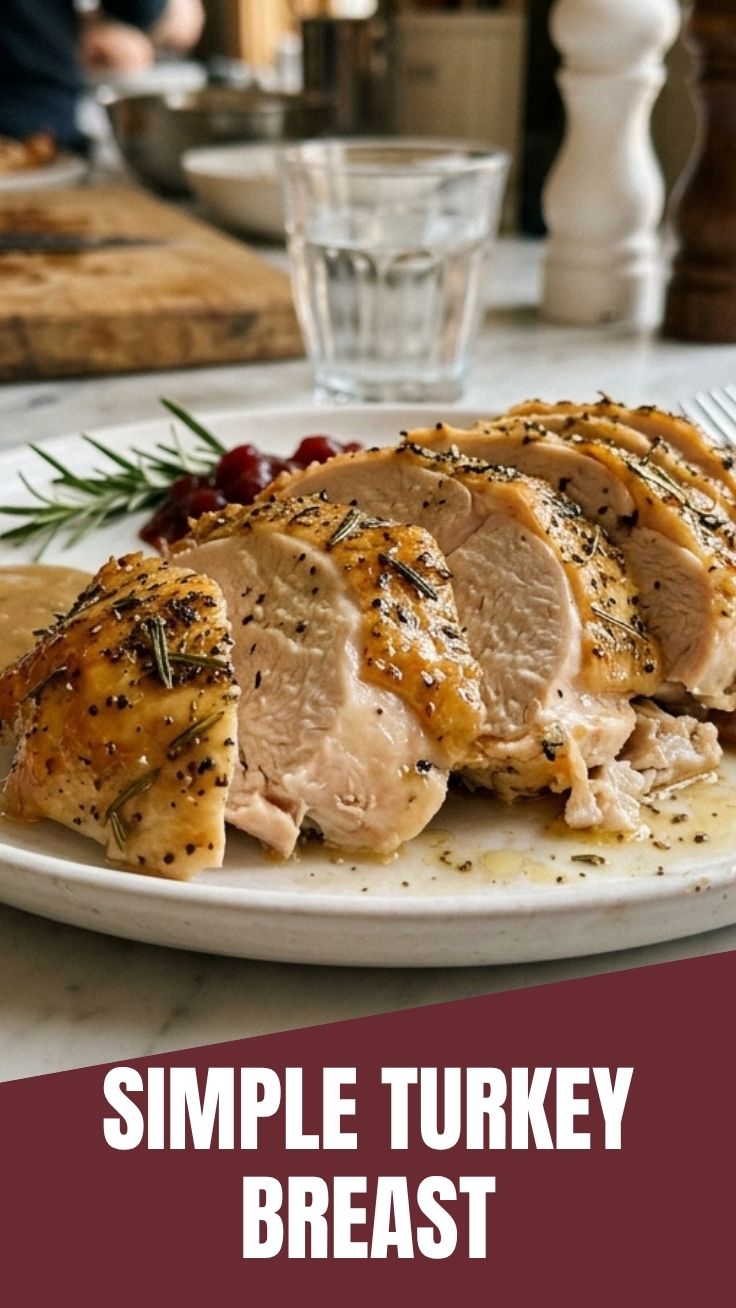
7. Carve & Serve: Carve against the grain into thick slices and serve immediately with the pan drippings or a homemade gravy.
Nutritional Benefits & Advantages
A perfectly cooked Turkey Breast is more than just a delicious meal; it’s a powerhouse of nutrition. It’s an excellent source of lean protein, essential for muscle repair and growth, and contributes to satiety, helping with weight management. Turkey breast is also rich in B vitamins (like B3 and B6), which are vital for energy metabolism and nervous system function. Furthermore, it provides minerals such as selenium, important for thyroid function and antioxidant defense, and phosphorus, crucial for bone health. Opting for skinless turkey breast further reduces fat content, making it a heart-healthy choice.
Tips, Variations & Cooking Advice
- Brining: For an exceptionally juicy Turkey Breast, consider a simple brine (water, salt, sugar, herbs) overnight. It helps retain moisture during cooking.
- Flavor Boosts: Introduce chopped onions, carrots, and celery to the bottom of the roasting pan with the broth for an even more flavorful gravy base.
- Alternative Fats: Instead of butter, you can use olive oil or avocado oil for a slightly different flavor profile and for those avoiding dairy.
- Spicy Kick: Add a pinch of cayenne pepper or a dash of hot sauce to your herb butter for a subtle spicy element.
- Glazed Finish: For a beautiful, glossy finish, baste the turkey with a mixture of maple syrup and Dijon mustard during the last 15-20 minutes of cooking. This is a common technique in many delightful Turkey Breast Recipes.
- Gluten-Free/Dairy-Free: This recipe is naturally gluten-free. For a dairy-free version, simply substitute unsalted butter with a plant-based butter alternative or olive oil.
Common Mistakes to Avoid
- Not Patting Dry: Failing to pat the turkey dry prevents the skin from getting crispy. Always use paper towels liberally.
- Overcooking: The most common culprit for dry turkey. Always use a meat thermometer and remove the turkey once it reaches 165°F. Remember, it will continue to cook slightly during resting.
- Not Resting: Rushing to carve immediately after cooking leads to dry, tough meat as the juices haven’t had time to resettle. Patience is paramount here.
- Skipping the Rack: Roasting directly in a pan without a rack can result in a soggy bottom and uneven cooking.
- Inconsistent Seasoning: Ensure the herb butter is distributed evenly, both under and over the skin, for maximum flavor penetration.
Storage & Meal Prep Tips
Safely store leftover Turkey Breast by carving it into slices or shredding it and placing it in an airtight container. Refrigerate within two hours of cooking. It will stay fresh for 3-4 days in the refrigerator. For longer storage, freeze portions in freezer-safe bags or containers for up to 3 months. When reheating, it’s best to do so gently to prevent drying out. Add a splash of broth or water to a covered pan or microwave alongside a damp paper towel to help retain moisture. Leftover slices are fantastic in sandwiches, salads, stir-fries, or even a quick turkey chili.
Conclusion
Mastering the perfect Turkey Breast is an incredibly rewarding culinary endeavor that brings joy and deliciousness to any table. By following these detailed steps, understanding the importance of proper seasoning, accurate cooking temperatures, and that essential resting period, you’re well on your way to achieving consistently moist and flavorful results. Embrace these techniques, experiment with the variations, and don’t be afraid to make these Turkey Breast Recipes your own. We encourage you to try this recipe, share your successes in the comments below, and explore other delightful poultry preparations. Happy cooking!
FAQs
Q1: Can I use a bone-in Turkey Breast with this recipe?
A1: Yes, you can. A bone-in Turkey Breast might require slightly longer cooking time (add 10-20 minutes), but the bone can also contribute to a richer flavor and potentially prevent it from drying out. Ensure you still use a meat thermometer.
Q2: How do I make gravy from the pan drippings?
A2: After removing the turkey, pour the pan drippings into a saucepan. Skim off excess fat. Whisk in 1-2 tablespoons of flour or cornstarch dissolved in a little cold water to create a slurry. Bring to a simmer, whisking constantly, until thickened. Season to taste.
Q3: My Turkey Breast skin isn’t crispy. What went wrong?
A3: The most common reasons are not patting the skin thoroughly dry before roasting, overcrowding the pan (which creates steam), or not roasting at a high enough temperature initially. Ensure there’s good airflow around the turkey.
Q4: Can I marinate the Turkey Breast instead of using a dry rub?
A4: Absolutely! Marinating can add tremendous flavor and moisture. A good marinade typically includes an acid (like citrus juice or vinegar), oil, and various herbs and spices. Marinate for at least 2 hours or overnight in the refrigerator. Reduce or eliminate the herb butter if marinating.
Q5: What are some good side dishes for this Turkey Breast?
A5: Classic pairings include mashed potatoes, roasted vegetables (like Brussels sprouts or asparagus), green bean casserole, cranberry sauce, and a fresh salad. These complement a wide variety of Turkey Breast Recipes.