The Ultimate Comfort Food: Unlocking the Magic of a Homemade Tuna Casserole
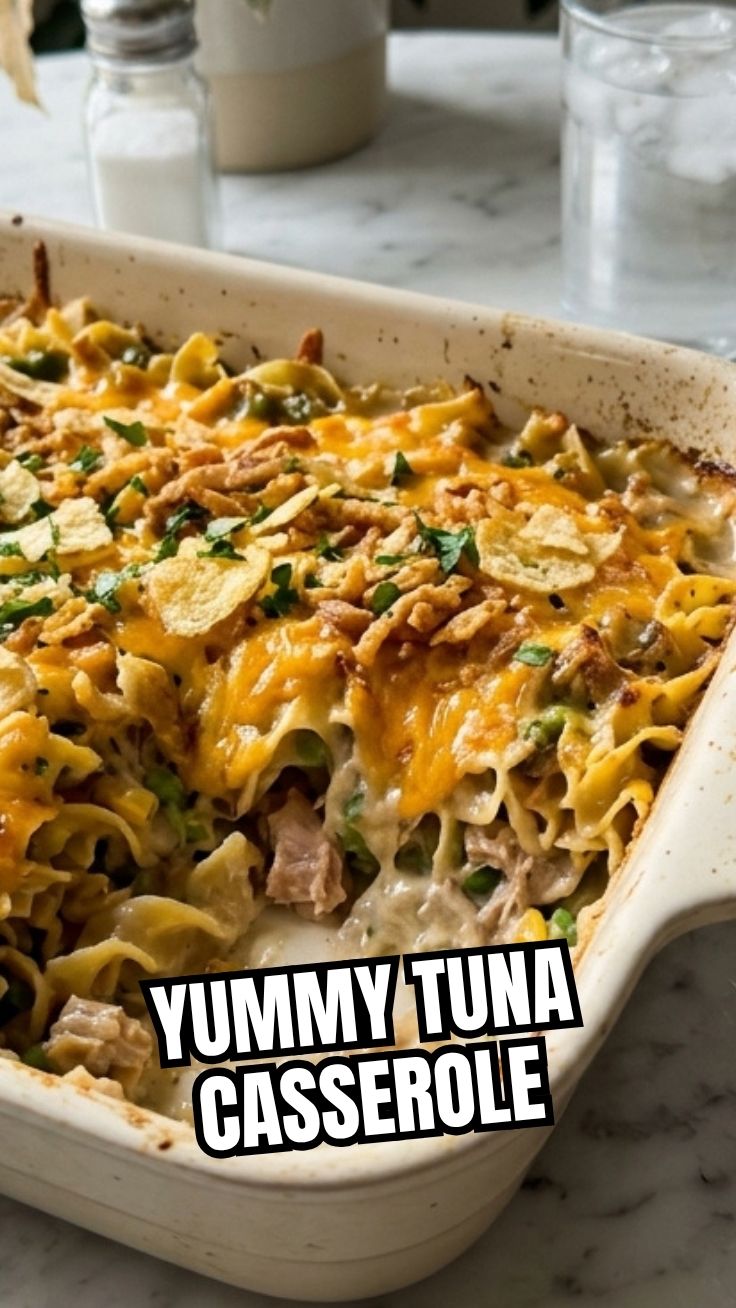
Ever wondered what it takes to whip up a dish that’s both incredibly satisfying and delightfully easy? A homemade Tuna Casserole is the answer. It’s more than just a meal; it’s a warm hug on a plate, a nostalgic trip to childhood, and an ingenious way to use pantry staples. Preparing it at home allows for endless customization, ensuring fresh, quality ingredients and flavors tailored precisely to your family’s preferences. And let’s be honest, there’s a unique pride in serving a dish you crafted with your own hands. This timeless classic, often synonymous with Tuna noodle casserole, offers a delightful blend of creamy texture, savory tuna, and a satisfying crunch that makes it a perennial family favorite.
Ingredients & Kitchen Tools
Here’s what you’ll need to create this culinary masterpiece:
- Canned Tuna (2 cans, 5 oz each, packed in water or oil, drained): The star of our show, providing protein and umami.
- Egg Noodles (12 oz, medium-wide): The classic base, offering a comforting chew.
- Cream of Mushroom Soup (1 can, 10.5 oz): The creamy foundation, adding richness and savory depth. (Substitution: Cream of celery or chicken soup).
- Milk (1/2 cup): Thins the soup for optimal consistency.
- Frozen Peas (1 cup): Adds a pop of color, sweetness, and essential nutrients. (Substitution: Frozen mixed vegetables).
- Cheddar Cheese (1 cup, shredded): Melts beautifully to create a gooey, cheesy topping. (Substitution: Gruyere, Monterey Jack, or a blend).
- Breadcrumbs (1/2 cup, plain or panko): Provides a crispy, golden crust.
- Butter (2 tbsp, melted): Binds the breadcrumbs and adds flavor.
- Onion Powder (1/2 tsp): Adds a subtle savory note.
- Garlic Powder (1/2 tsp): Enhances the overall flavor profile.
- Salt and Black Pepper (to taste): Essential for seasoning.
Kitchen Tools:
- Large Pot: For boiling noodles.
- 9×13 inch Baking Dish: The perfect size for this casserole.
- Large Mixing Bowl: For combining ingredients.
- Small Bowl: For mixing breadcrumbs.
- Colander: For draining noodles and tuna.
Prep Time & Cooking Schedule
- Prep Time: 15 minutes
- Cook Time: 25-30 minutes
- Resting Time: 5 minutes
This recipe is designed for ease. While the noodles boil, you’ll prepare the sauce and mix-ins, making efficient use of your time. The resting time allows the casserole to set slightly, making for cleaner, more intact servings.
Step-by-Step Instructions
1. Preheat & Prep: Preheat your oven to 375°F (190°C). Lightly grease your 9×13 inch baking dish.
2. Cook Noodles: Bring a large pot of salted water to a rolling boil. Add the egg noodles and cook according to package directions, typically 7-9 minutes, until al dente. Drain well and set aside.
3. Combine Ingredients: In a large mixing bowl, flake the drained tuna. Add the cream of mushroom soup, milk, frozen peas, onion powder, garlic powder, salt, and pepper. Stir until well combined.
4. Add Noodles: Fold in the cooked egg noodles gently, ensuring they are evenly coated with the creamy sauce. This mixture forms the heart of your delectable Tuna Casserole.
5. Assemble Casserole: Pour the noodle mixture into the prepared baking dish and spread evenly.
6. Top with Cheese: Sprinkle the shredded cheddar cheese generously over the entire casserole.
7. Prepare Topping: In a small bowl, combine the breadcrumbs with the melted butter. Mix until the breadcrumbs are evenly coated. This buttery crunch is what makes a classic Tuna noodle casserole truly shine.
8. Bake: Sprinkle the buttered breadcrumbs over the cheese layer. Bake for 25-30 minutes, or until the casserole is bubbly around the edges and the topping is golden brown and crispy.
9. Rest & Serve: Remove from the oven and let rest for 5 minutes before serving. This allows the sauce to thicken slightly.
Nutritional Benefits & Advantages
This casserole isn’t just delicious; it’s packed with goodness! Tuna is an excellent source of lean protein and omega-3 fatty acids, beneficial for heart health and brain function. Peas add vital vitamins (C and K) and fiber, while milk and cheese contribute calcium for strong bones. It’s a well-rounded meal that provides sustained energy and essential nutrients.
Tips, Variations & Cooking Advice
- Spicy Kick: Add a pinch of red pepper flakes or a dash of hot sauce to the mixture for a bit of heat.
- Vegetable Boost: Incorporate other quick-cooking vegetables like corn, diced carrots, or spinach. Sauté fresh vegetables lightly before adding.
- Different Toppings: Instead of breadcrumbs, try crushed potato chips, buttery Ritz crackers, or even crispy fried onions for a different texture.
- Gluten-Free: Use gluten-free egg noodles and ensure your cream of mushroom soup is gluten-free. Use gluten-free breadcrumbs or crushed gluten-free crackers.
- Dairy-Free: Substitute cream of mushroom soup with a dairy-free alternative, use plant-based milk, and dairy-free cheese.
- Make Ahead: Assemble the casserole up to 24 hours in advance, cover, and refrigerate. Add an extra 10-15 minutes to the baking time if baking from cold.
Common Mistakes to Avoid
- Overcooking Noodles: Mushy noodles can ruin the texture. Cook them just al dente as they will continue to cook in the oven.
- Skipping the Rest: Letting the casserole rest allows the sauce to set, preventing a watery mess when served.
- Uneven Browning: Ensure your breadcrumbs are evenly coated with butter for a consistent golden crust.
- Too Much Liquid: Stick to the milk measurement; too much liquid can make the casserole soupy.
Storage & Meal Prep Tips
Leftover Tuna Casserole stores wonderfully!
- Refrigeration: Store leftovers in an airtight container in the refrigerator for up to 3-4 days.
- Freezing: For longer storage, freeze individual portions in airtight, freezer-safe containers for up to 2-3 months. Thaw overnight in the refrigerator before reheating.
- Reheating: Reheat in the microwave until warmed through, or in an oven preheated to 350°F (175°C) for 15-20 minutes, covered with foil to prevent drying out. Remove foil for the last few minutes if you want to crisp up the topping.
Conclusion
There you have it – a foolproof guide to crafting a truly magnificent homemade Tuna Casserole. This classic dish, beloved by generations, is the epitome of comfort food, offering ease of preparation, nutritional value, and endless customization. Whether you’re making a traditional Tuna noodle casserole for a weeknight dinner or experimenting with new flavors, this recipe ensures a delicious and satisfying experience. I encourage you to try this recipe, personalize it to your taste, and share your delightful creations! What’s your secret ingredient for the perfect tuna casserole? Let us know in the comments below!
FAQs
Q1: Can I use fresh tuna instead of canned?
A1: While canned tuna is traditional and convenient, you can certainly use cooked fresh tuna. Flake it well and ensure it’s fully cooked before adding it to the mixture.
Q2: My casserole topping isn’t getting crispy. What am I doing wrong?
A2: Ensure your oven is preheated to the correct temperature. Also, make sure your breadcrumbs are adequately coated with butter – this helps them crisp up and brown beautifully.
Q3: Can I add vegetables other than peas?
A3: Absolutely! Frozen corn, finely diced carrots (cooked slightly), or sautéed mushrooms are excellent additions. Feel free to customize with your favorite veggies.
Q4: How can I make this casserole healthier?
A4: Use low-sodium cream of mushroom soup, skim milk, and reduced-fat cheese. You can also increase the vegetable content significantly and opt for whole wheat noodles.
Q5: What’s the best way to prevent the casserole from being too dry?
A5: Stick to the milk and soup measurements, and avoid overbaking. The resting time also helps the sauce thicken evenly, preventing dryness. If needed, a splash more milk or a bit of chicken broth can be stirred in before baking if the mixture seems overly thick.