Unleash Flavor: Your Guide to Perfect Roasted Vegetables Every Time
Ever wondered how restaurants achieve that perfectly caramelized, tender-crisp vegetable dish that makes your taste buds sing? You can, too, right in your own kitchen! Mastering the art of Roasted Vegetables is not just about throwing some produce in the oven; it’s about unlocking their inherent sweetness and transforming them into a culinary masterpiece. This guide will demystify the process, providing you with a data-driven approach to achieving consistently delicious results. From understanding precise temperatures to strategic seasoning, we’ll delve into techniques that elevate your weeknight meals and impress your dinner guests. And for those looking for an even quicker, less fuss approach, the principles apply beautifully to Sheet Pan Vegetables, proving that gourmet flavor doesn’t have to be complicated.
Ingredients & Kitchen Tools
To embark on your journey to perfectly roasted goodness, gather these essentials:
Assorted Vegetables (5-6 cups chopped): Choose a variety that roasts well together, such as broccoli florets, cauliflower florets, bell peppers (various colors, seeded and chopped), red onion (wedged), carrots (peeled and chopped into 1-inch pieces), potatoes (cubed), and Brussels sprouts (halved). Clarification: Aim for relatively uniform sizes to ensure even cooking.*
Olive Oil (3-4 tablespoons): Extra virgin olive oil is ideal for its flavor and high smoke point. Clarification: Helps with browning and prevents sticking.*
Salt (1 teaspoon, or to taste): Kosher salt or sea salt works best. Clarification: Enhances natural flavors.*
Black Pepper (1/2 teaspoon, freshly ground, or to taste): Adds a pungent, spicy kick. Clarification: Freshly ground offers superior flavor.*
Garlic Powder (1 teaspoon): Provides a mellow, aromatic garlic flavor without burning. Clarification: A convenient way to add garlic without mincing.*
Herbs (1 tablespoon fresh, or 1 teaspoon dried): Rosemary, thyme, or oregano are excellent choices. Clarification: Adds fragrant depth.*
Optional: Paprika (1/2 teaspoon): For a touch of warmth and color. Clarification: Sweet or smoked paprika can be used.*
Optional: Lemon Wedge: For a bright finish after roasting. Clarification: A squeeze of fresh lemon juice elevates freshness.*
Large Baking Sheet(s): Essential for spreading out vegetables in a single layer. Clarification: Avoid overcrowding for optimal browning.*
Large Mixing Bowl: For tossing vegetables with oil and seasonings. Clarification: Ensures even distribution.*
Spatula or Tongs: For tossing and turning vegetables during roasting. Clarification: Prevents sticking and promotes even cooking.*
Prep Time & Cooking Schedule
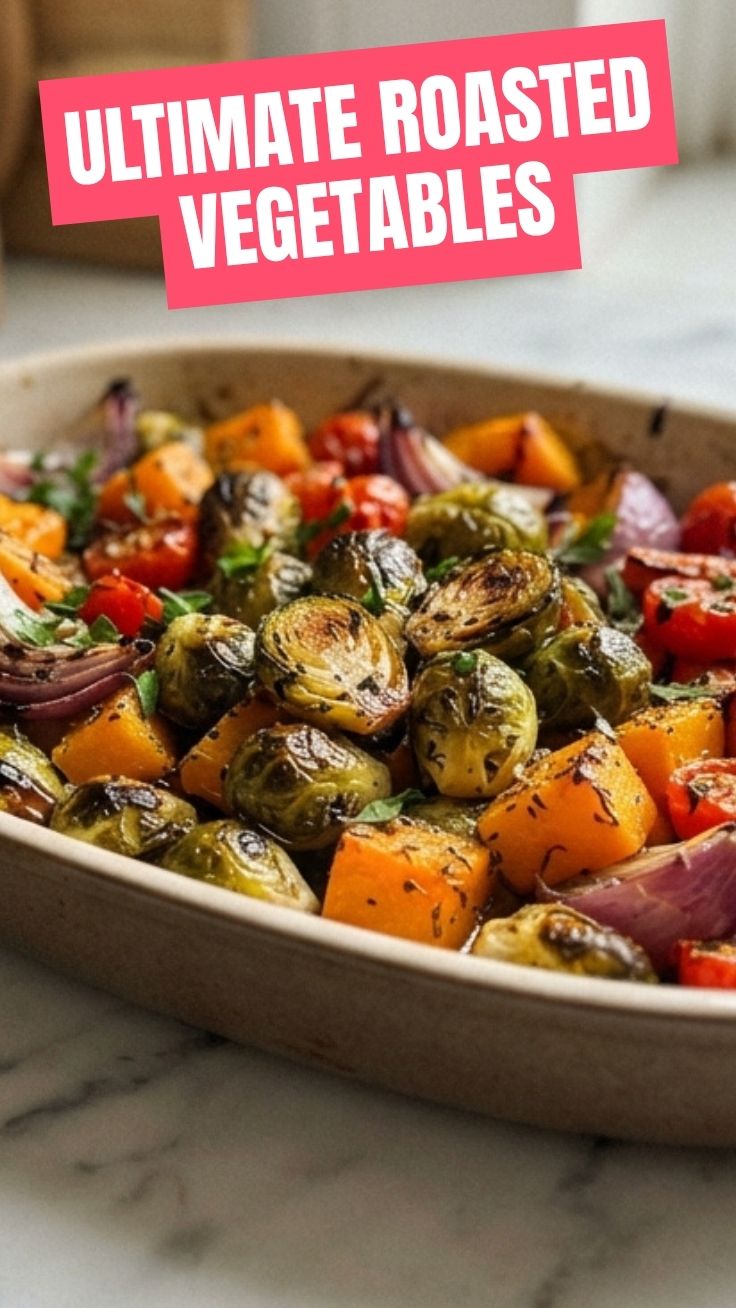
- Prep Time: 15-20 minutes (depending on your chopping speed and vegetable variety). This includes washing, chopping, and seasoning your produce.
- Cook Time: 25-40 minutes. This will vary based on the type and size of vegetables and your desired level of tenderness and caramelization. Harder vegetables like potatoes and carrots will take longer than softer ones like bell peppers.
- Resting Time: 5 minutes. Allowing the vegetables to rest briefly out of the oven allows internal temperatures to equalize and flavors to meld.
Plan to start your prep about an hour before you want to serve your meal. The hands-on time is minimal, leaving you free to focus on other aspects of your dinner while the oven works its magic.
Step-by-Step Instructions
1. Preheat Oven and Prepare Baking Sheet: Preheat your oven to 400°F (200°C). Line a large baking sheet with parchment paper for easy cleanup, or lightly grease it with olive oil.
2. Wash and Chop Vegetables: Thoroughly wash all your chosen vegetables. Peel and chop them into roughly 1-inch pieces. Remember, uniform size is key for even cooking. For Roasted Vegetables, consistency prevents some pieces from burning while others remain undercooked.
3. Season the Vegetables: In a large mixing bowl, combine the chopped vegetables, olive oil, salt, black pepper, garlic powder, and chosen herbs (and paprika, if using). Toss vigorously until all the vegetables are evenly coated. This ensures every bite is bursting with flavor, a crucial step whether you’re making a simple side or a full meal of Sheet Pan Vegetables.
4. Arrange on Baking Sheet: Spread the seasoned vegetables in a single layer on your prepared baking sheet. Do not overcrowd the pan; if necessary, use two baking sheets. Overcrowding steams the vegetables instead of roasting them, preventing that desirable caramelization.
5. Roast: Place the baking sheet in the preheated oven. Roast for 25-40 minutes, tossing the vegetables halfway through, until they are tender-crisp and beautifully caramelized. Smaller, softer vegetables will be ready sooner.
6. Serve: Once cooked to your liking, remove the vegetables from the oven. If desired, squeeze fresh lemon juice over them. Serve immediately as a vibrant side dish or as a star component of your meal.
Nutritional Benefits & Advantages
Roasted Vegetables are a powerhouse of nutrition. Roasting often enhances the flavor and retains more nutrients compared to boiling. They are an excellent source of dietary fiber, essential vitamins (like Vitamin C and A), and minerals (such as potassium and folate). The diverse range of colors in a medley of roasted vegetables indicates a wide spectrum of antioxidants, which combat free radicals and support overall health. Furthermore, cooking vegetables can make some nutrients, like beta-carotene in carrots, more bioavailable. This preparation method is naturally gluten-free and can easily be adapted for vegan or vegetarian diets, making it an incredibly versatile and healthy addition to any meal plan.
Tips Variations & Cooking Advice
- Flavor Boosters: Experiment with different spices like cumin, chili powder, or smoked paprika. A drizzle of balsamic glaze or a sprinkle of Parmesan cheese after roasting adds another layer of flavor.
- Herb Variations: Beyond rosemary and thyme, consider fresh oregano, sage, or even a sprinkle of dried Italian seasoning.
- Sweet Touch: For a slightly sweeter profile, add a tablespoon of maple syrup or honey to the seasoning mixture before roasting.
- Spicy Kick: A pinch of red pepper flakes will add a welcome heat.
- Alternative Cooking Methods: While roasting is king for this recipe, you can also air-fry vegetables for a quicker, crispier result. Adjust cooking times accordingly.
- Dietary Adaptations: This recipe is naturally dairy-free and gluten-free. For a low-carb option, focus on non-starchy vegetables like broccoli, cauliflower, and bell peppers.
Common Mistakes to Avoid
1. Overcrowding the Pan: This is the most common error. Vegetables will steam instead of roast, resulting in soggy, uncaramelized results. Always give them space!
2. Using Too Little Oil: Insufficient oil leads to dry, tough vegetables and uneven browning. Ensure a light, even coating.
3. Under-Seasoning: Don’t be shy with salt and pepper! Vegetables need proper seasoning to bring out their best flavor. Taste and adjust.
4. Too Low a Temperature: A hot oven is crucial for achieving that desirable crispy exterior and tender interior. Don’t go below 375°F (190°C) for most vegetables.
5. Not Tossing Mid-Roast: Tossing halfway ensures even exposure to heat, promoting consistent browning on all sides.
Storage & Meal Prep Tips
Roasted Vegetables are excellent for meal prepping! Store cooled leftovers in an airtight container in the refrigerator for up to 3-4 days. To reheat, spread them on a baking sheet and warm them in a 350°F (175°C) oven for 10-15 minutes, or until heated through. This method helps maintain their texture better than microwaving, which can make them soggy. You can also add them to salads, wraps, or grain bowls for quick, healthy meals throughout the week. Freezing roasted vegetables is possible, but they will likely soften significantly upon thawing. If you choose to freeze, spread them on a baking sheet to freeze individually, then transfer to a freezer-safe bag for up to 2-3 months.
Conclusion
Mastering the art of Roasted Vegetables is a fundamental skill that will elevate countless meals. With just a few simple techniques – proper chopping, generous seasoning, and strategic oven use – you can transform humble produce into a show-stopping side or a delightful main course. Whether you’re aiming for a colorful medley or streamlining your cooking with Sheet Pan Vegetables, the principles remain the same: unlock flavor, maximize nutrition, and minimize effort. Give this recipe a try tonight, experiment with your favorite seasonal produce, and share your delicious creations!
FAQs
1. Can I roast different types of vegetables together that have different cooking times?
Yes, but it requires strategy. Cut harder vegetables (potatoes, carrots) into smaller pieces or give them a 10-15 minute head start before adding softer vegetables (broccoli, bell peppers) to the pan.
2. What’s the best way to get crispy roasted vegetables?
High heat (400°F/200°C), sufficient oil, a single layer on the baking sheet (no overcrowding!), and tossing halfway through are key. You can also finish with a quick broil for extra crispness, but watch carefully to prevent burning.
3. My roasted vegetables are soggy. What went wrong?
Most likely, the pan was overcrowded, leading to steaming instead of roasting. Ensure enough space between pieces, and use a high enough oven temperature. Vegetables also release moisture, so a hot oven helps evaporate it.
4. Can I use frozen vegetables for roasting?
Yes, but they may release more water, making them less crispy. For best results, thaw them completely and pat them very dry before seasoning and roasting at a slightly higher temperature (e.g., 425°F/220°C) or for a longer duration.
5. How can I add more protein to a roasted vegetable dish?
You can easily add chickpeas, tofu, or tempeh to the roasting pan alongside the vegetables. For non-vegetarian options, chicken sausage, shrimp, or thinly sliced chicken breast can be roasted on the same pan, creating a complete meal.