Mastering the Festive Feast: Your Guide to a Perfect Roast Turkey
Have you ever dreamed of carving a magnificent, golden-brown Roast Turkey that garners gasps of admiration from your dinner guests? The thought of preparing a show-stopping centerpiece for a holiday gathering can feel daunting, but it doesn’t have to be. This comprehensive guide will demystify the art of roasting, transforming you into a confidently skilled home chef. Beyond the culinary achievement, crafting your own Roast Turkey offers unparalleled control over ingredients, ensuring a healthier and more flavorful experience than any pre-made alternative. And for those planning ahead for the ultimate holiday spread, mastering this recipe is a foundational step towards creating incredible Thanksgiving Turkey Recipes that will delight everyone at your table.
Ingredients & Kitchen Tools
To embark on your roasting adventure, gather these essential items:
- 12-14 lb Fresh or Thawed Turkey: (Focus keyword: Roast Turkey) Choose a high-quality bird for optimal flavor and tenderness.
- 1 stick (1/2 cup) Unsalted Butter, softened: For basting and flavor. Can substitute with olive oil or a plant-based butter alternative.
- 3-4 sprigs Fresh Rosemary: Adds an aromatic, earthy note. Dried rosemary can be used in a pinch, but fresh is preferred.
- 5-6 sprigs Fresh Thyme: Complements the rosemary and turkey beautifully. Dried thyme is also an option.
- 1 large Yellow Onion, quartered: Infuses the cavity with subtle sweetness and moisture.
- 2-3 Carrots, roughly chopped: Adds flavor to the pan juices and helps prop the turkey.
- 2-3 Celery Stalks, roughly chopped: Similar to carrots, contributes to the broth.
- 2 cups Chicken or Vegetable Broth: For the roasting pan, creating a moist environment and flavorful drippings.
- Salt (Kosher or Sea Salt preferred): Essential for seasoning the turkey.
- Freshly Ground Black Pepper: For seasoning.
- Optional: 1 Lemon, halved: Adds brightness and cuts through richness.
- Optional: Garlic cloves (4-5), smashed: For deeper aromatic flavor.
Kitchen Tools:
- Large Roasting Pan with Rack: Crucial for allowing air circulation around the turkey, promoting even cooking and crispy skin.
- Meat Thermometer (Instant-Read is best): Non-negotiable for ensuring the turkey is cooked safely and perfectly.
- Basting Brush: For applying butter and pan juices.
- Sharp Carving Knife: For effortless carving.
- Cutting Board (with a juice groove): To catch delicious drippings.
- Kitchen Twine: To truss the legs.
Prep Time & Cooking Schedule
- Prep Time: 30-45 minutes (includes thawing if frozen). Allow 24 hours per 4-5 pounds for thawing in the refrigerator.
- Cook Time: Approximately 3-4 hours for a 12-14 lb turkey (roughly 13-15 minutes per pound at 325°F/160°C).
- Resting Time: 20-30 minutes. This is critical for juicy results; do not skip!
- Total Time: Plan for a total of 4.5-5.5 hours, including resting. Begin your preparations well in advance of your desired serving time.
Step-by-Step Instructions
1. Prepare the Turkey: Remove the turkey from its packaging. Remove the giblets and neck from the cavity (these can be used for gravy!). Pat the turkey thoroughly dry with paper towels – this is key for crispy skin. Season the cavity generously with salt and pepper. Stuff the cavity with quartered onion, chopped carrots, celery, fresh rosemary, thyme, and optional lemon halves and smashed garlic.
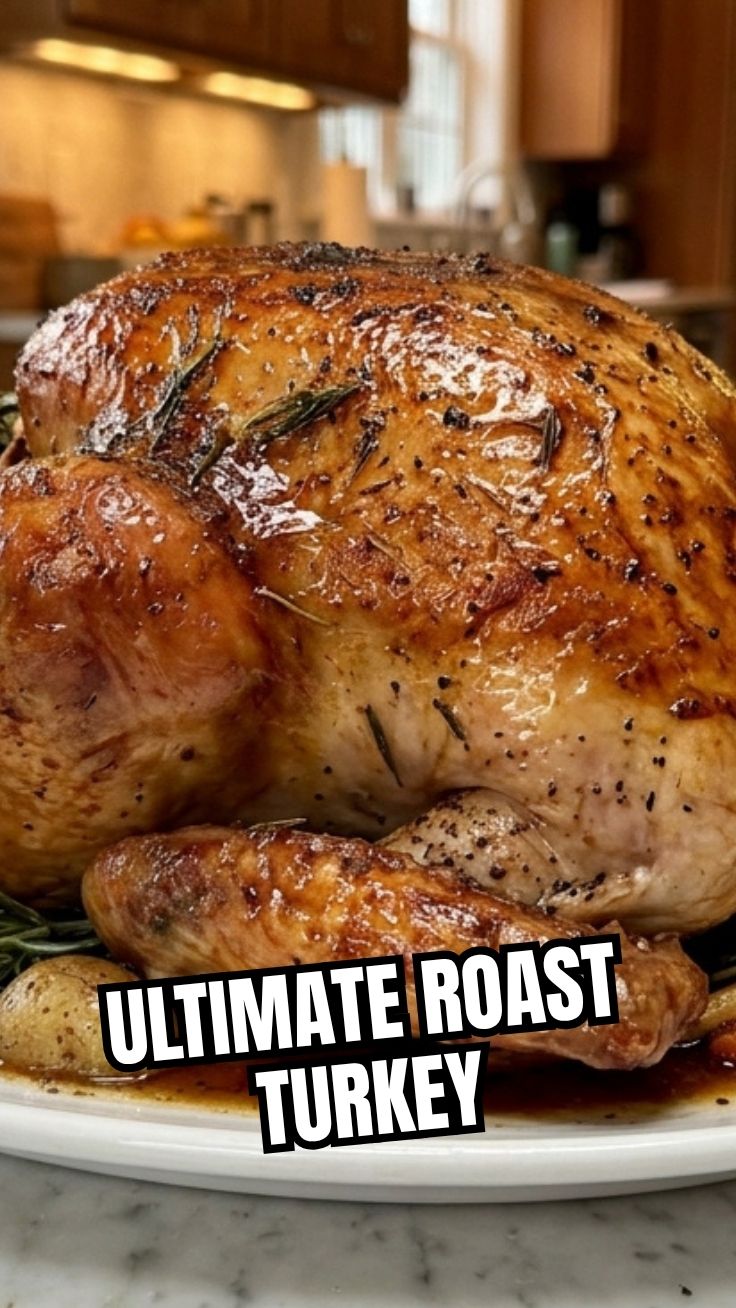
2. Season and Truss: Apply the softened butter generously all over the exterior of the turkey, getting some under the skin if possible. Season the skin liberally with salt and black pepper. Tie the legs together with kitchen twine and tuck the wing tips under the breast to prevent them from burning. This helps the turkey cook more evenly and retain its shape, forming a perfect Roast Turkey.
3. Roast: Preheat your oven to 325°F (160°C). Place the turkey on a roasting rack in a large roasting pan. Pour the chicken or vegetable broth into the bottom of the pan. Roast for 2.5-3 hours, basting every 30-45 minutes with pan juices.
4. Increase Heat & Finish: After 2.5-3 hours, increase the oven temperature to 375°F (190°C) to help crisp up the skin. Continue roasting, checking the internal temperature of the breast and thigh with a meat thermometer. The breast should reach 165°F (74°C) and the thigh should reach 175°F (79°C). For the deliciousness of Thanksgiving Turkey Recipes, achieving these temperatures without overcooking is crucial. If the skin is browning too quickly, loosely tent it with foil.
5. Rest: Once cooked, remove the turkey from the oven, transfer it to a large cutting board, and tent it loosely with foil. Let it rest for at least 20-30 minutes. This allows the juices to redistribute, resulting in a significantly more tender and moist turkey.
6. Carve and Serve: Carve the turkey into slices and arrange them on a platter. Serve warm with your favorite side dishes.
Nutritional Benefits & Advantages
Turkey is a powerhouse of lean protein, essential for muscle building and repair. It’s also an excellent source of B vitamins (especially B6 and B12), which are vital for energy metabolism and nervous system function. Furthermore, turkey provides minerals like selenium (an antioxidant) and zinc (important for immune health). By preparing your turkey at home, you avoid excessive sodium and unhealthy fats often found in store-bought options, allowing for a truly wholesome meal.
Tips, Variations & Cooking Advice
- Brining: For an exceptionally juicy and flavorful turkey, consider brining it overnight. A simple salt, sugar, water, and herb brine makes a huge difference.
- Flavor Boosts: Add apple slices or dried cranberries to the cavity for a fruity essence. You can also make a compound butter with herbs and garlic to rub under the skin.
- Roasting Vegetables: Roast potatoes, sweet potatoes, or Brussels sprouts in the same pan during the last hour of cooking for a convenient side dish infused with turkey drippings.
- Spatchcocking: For faster, more even cooking and crispier skin, consider spatchcocking (removing the backbone) your turkey. This method lays the bird flat.
- Gravy: Don’t discard those pan drippings! They are the base for an incredibly flavorful homemade gravy.
Common Mistakes to Avoid
- Not Thawing Properly: A partially frozen turkey will cook unevenly and take much longer. Allow ample time for thawing.
- Overcooking: The most common mistake leading to dry turkey. Always use a meat thermometer and aim for the target temperatures.
- Not Resting the Turkey: Skipping the resting period will result in all the delicious juices running out when you carve, leaving you with dry meat.
- No Roasting Rack: Roasting directly on the pan leads to a soggy bottom and uneven cooking.
- Ignoring the Pan Drippings: These are liquid gold for gravy!
Storage & Meal Prep Tips
Store leftover Roast Turkey in airtight containers in the refrigerator for up to 3-4 days. For longer storage, freeze carved turkey in freezer-safe bags or containers for up to 2-3 months. To reheat, gently warm in the oven with a splash of broth or in a microwave, being careful not to overcook and dry it out. Leftovers are fantastic in sandwiches, salads, stir-fries, or even a comforting turkey soup, making incredible Thanksgiving Turkey Recipes throughout the week.
Conclusion
Creating a perfectly cooked Roast Turkey is a rewarding experience that elevates any meal into a special occasion. By following these detailed steps, embracing the power of patience, and trusting your meat thermometer, you’ll achieve a tender, juicy, and beautifully golden bird every time. Don’t be intimidated by the centerpiece; instead, embrace the process and enjoy the delicious results. We encourage you to try this recipe for your next gathering and share your success stories – it’s a guaranteed way to impress and create lasting memories with delightful Thanksgiving Turkey Recipes! What are your favorite tips for a flawless roast? Share them in the comments below!
FAQs
Q1: How do I know if my turkey is thawed completely?
A1: The turkey should feel soft and pliable throughout, with no ice crystals in the cavity. A good rule of thumb is 24 hours of refrigeration for every 4-5 pounds.
Q2: Can I stuff the turkey with traditional stuffing?
A2: While traditional, stuffing a turkey significantly increases cooking time and can pose food safety risks if the stuffing doesn’t reach 165°F (74°C). It’s safer to bake stuffing separately and use aromatic vegetables in the cavity for flavor.
Q3: My turkey skin isn’t getting crispy, what can I do?
A3: Ensure the turkey is thoroughly patted dry before seasoning. Increase the oven temperature to 400°F (200°C) for the last 20-30 minutes of cooking (watching carefully to prevent burning). You can also brush the skin with a little extra oil or butter.
Q4: What if I don’t have a roasting rack?
A4: You can create a makeshift rack by rolling up aluminum foil into several ropes and placing them in the bottom of the roasting pan. This elevates the turkey and allows for air circulation.
Q5: How can I prevent the breast from drying out while the dark meat cooks?
A5: Basting frequently helps. If your breast is cooking faster, you can loosely tent it with aluminum foil while the dark meat finishes cooking. Removing the turkey when the breast reaches 165°F (74°C) and letting it rest adequately also contributes to juiciness.