Master the Art of Homemade Pad Thai: A Guide to Authentic Flavor
Are you ready to transform your kitchen into a bustling street food stall, crafting a dish that tantalizes the taste buds and evokes exotic culinary adventures? Preparing a truly authentic Pad Thai at home is an incredibly rewarding experience, allowing you to control every ingredient for a superior, personalized flavor that takeout simply can’t match. Forget bland, overly sweet versions – we’re diving deep into the art of creating a perfectly balanced, savory, and tangy masterpiece, complete with perfectly cooked Noodles. This comprehensive guide will empower you to create a dish that not only tastes incredible but also showcases your culinary prowess.
Ingredients & Kitchen Tools
Crafting the perfect homemade Pad Thai requires a few key ingredients and basic kitchen tools. This list includes everything you’ll need, along with helpful clarifications and substitution ideas.
Ingredients:
- 10 oz Rice Stick Noodles: The traditional choice for Pad Thai. Look for medium-width flat rice noodles. (Substitute: Linguine or fettuccine in a pinch, but the texture will differ significantly.)
- 8 oz Shrimp (peeled and deveined) or Chicken (sliced thin): Protein options. (Substitute: Tofu, paneer, or a mix of vegetables for a vegetarian version.)
- 2 large Eggs: For richness and texture.
- 3 tbsp Tamarind Paste: The backbone of Pad Thai’s signature tang. Essential. (Substitute: Equal parts lime juice and brown sugar, but it won’t be quite the same.)
- 3 tbsp Fish Sauce: Provides umami and saltiness. Don’t skip!
- 2 tbsp Palm Sugar: Adds a unique caramel-like sweetness. (Substitute: Brown sugar.)
- 1 tbsp Rice Vinegar: Balances the sweetness and tartness.
- 1 tbsp Sriracha or Chili Flakes (optional): For a spicy kick.
- 2 tbsp Neutral Cooking Oil: Such as canola, vegetable, or peanut oil.
- 2 cloves Garlic (minced): Aromatic base.
- 1 small Shallot (minced): Adds a delicate oniony flavor. (Substitute: 1/4 small red onion.)
- 1 cup Bean Sprouts: Adds freshness and crunch.
- 1/2 cup Firm Tofu (pressed, cubed, and pan-fried until golden – optional): Adds protein and texture.
- 1/4 cup Roasted Peanuts (crushed): For garnish and nutty flavor.
- 2 tbsp Chopped Fresh Cilantro: For garnish and freshness.
- Lime Wedges: Essential for serving – a squeeze of fresh lime brightens the entire dish.
Kitchen Tools:
- Large Wok or Large Non-Stick Skillet: Ideal for even cooking and tossing.
- Spatula or Wok Spatula: For stirring and flipping.
- Measuring Spoons and Cups: For accurate ingredient portions.
- Cutting Board and Knife: For prepping ingredients.
- Small Bowl: For mixing the sauce.
- Colander: For draining noodles.
Prep Time & Cooking Schedule
Efficient preparation is key to a successful Pad Thai, as cooking happens quickly. Allocate your time wisely to ensure a smooth cooking process.
- Prep Time: 20-25 minutes (includes soaking noodles, chopping ingredients, and mixing sauce).
- Cook Time: 10-12 minutes
- Total Time: 30-37 minutes
Start by soaking your rice noodles. While they rehydrate, prepare all your other ingredients – pre-chopping and pre-measuring (mise en place) is crucial here. The actual cooking is a rapid, high-heat process, so having everything ready to go will prevent overcooking and ensure perfect texture.
Step-by-Step Instructions
Follow these detailed steps to create a show-stopping Pad Thai that impresses every time. Precision and swiftness are your allies here, especially when dealing with the delicate Noodles.
1. Prepare the Noodles: Place rice stick noodles in a large bowl. Cover with hot tap water (not boiling) and let soak for 20-30 minutes, or until pliable but still firm to the bite. They should be bendy but not fully cooked. Drain well and set aside.
2. Make the Pad Thai Sauce: In a small bowl, whisk together tamarind paste, fish sauce, palm sugar, and rice vinegar until the sugar dissolves. If using sriracha, add it now.
3. Cook Protein and Aromatics: Heat oil in a large wok or skillet over medium-high heat. Add shrimp or chicken and cook until almost done (about 2-3 minutes for shrimp, 4-5 minutes for chicken). Push protein to one side of the wok. Add minced garlic and shallot to the empty side and sauté until fragrant (about 30 seconds).
4. Add Eggs: Push the aromatics and protein to the side. Pour the beaten eggs into the empty space. Scramble gently until just cooked through. Break them up into smaller pieces and mix with the protein and aromatics.
5. Combine Ingredients: Add the drained noodles to the wok. Pour the Pad Thai sauce over the noodles.
6. Toss and Cook: Using two spatulas or a spatula and tongs, continuously toss and stir-fry the noodles with the sauce and other ingredients for 3-5 minutes. The noodles should soften further, absorb the sauce, and become lightly caramelized. If the noodles stick, add a small splash of water (1-2 tablespoons).
7. Add Finishing Touches: Stir in the bean sprouts and pan-fried tofu (if using). Cook for another 1-2 minutes until the bean sprouts are just wilted but still retain some crunch.
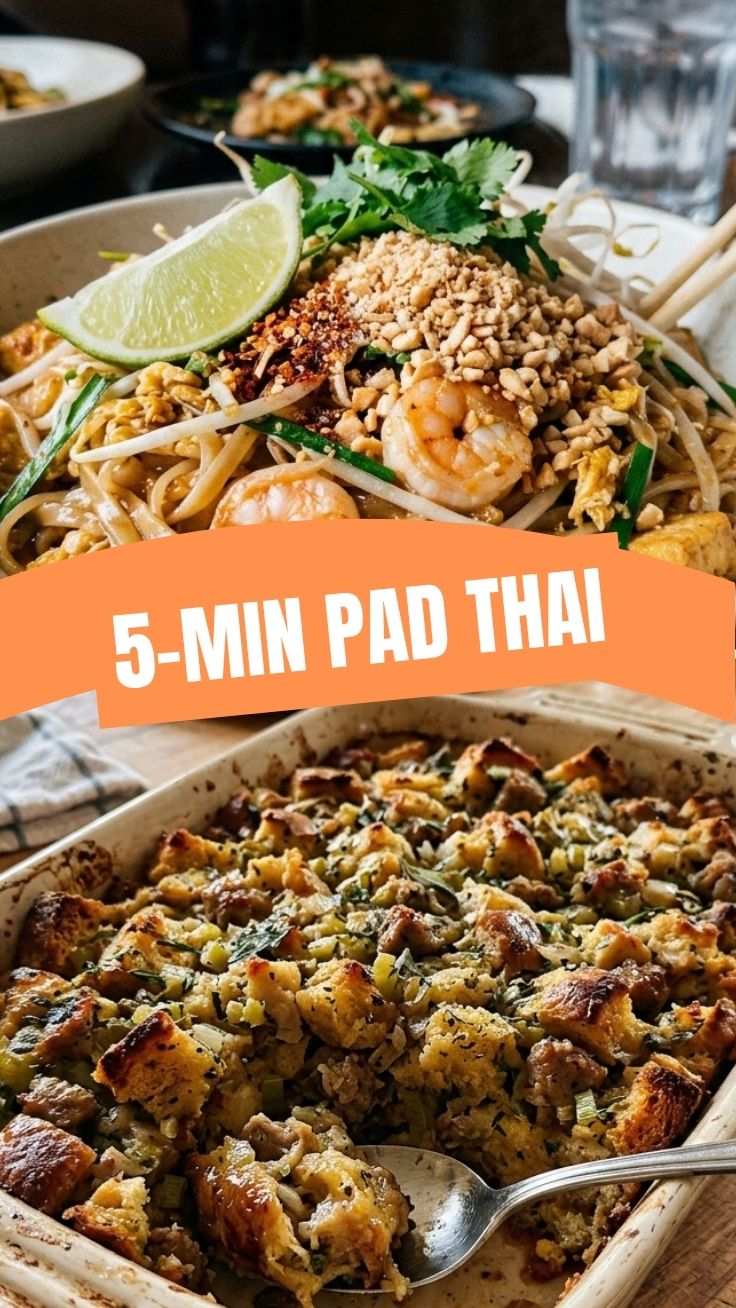
8. Serve: Transfer the Pad Thai immediately to individual plates. Garnish generously with crushed roasted peanuts, fresh cilantro, and a lime wedge on the side.
Nutritional Benefits & Advantages
This homemade Pad Thai isn’t just delicious; it also offers several nutritional advantages. Rice noodles are naturally gluten-free, making this a suitable option for those with gluten sensitivities. The dish is rich in protein from shrimp, chicken, or tofu, essential for muscle repair and satiety. Bean sprouts provide a good source of fiber, vitamins C and K, while peanuts offer healthy fats and additional protein. By making it at home, you control the amount of sugar and sodium, turning a potentially unhealthy takeout dish into a balanced, nutritious meal. The vibrant fresh ingredients contribute to a diverse nutrient profile, supporting overall well-being.
Tips Variations & Cooking Advice
- Spice Level: Adjust sriracha or chili flakes to your preference. For extra heat, add a pinch of dried chili flakes during step 3.
- Vegetarian/Vegan: Omit shrimp/chicken. Use extra firm tofu (pressed and pan-fried until golden) as the main protein. Ensure your fish sauce is vegan-friendly (mushroom-based often works) or use soy sauce with a pinch of seaweed for umami.
- Nut-Free: Omit peanuts and garnish with toasted sesame seeds or crispy fried onions for crunch.
- Vegetable Boost: Feel free to add thinly sliced carrots, bell peppers, or shredded cabbage during step 6 for extra nutrients and color.
- Don’t Overcook Noodles: Pre-soaking is critical. You want them pliable, not mushy, before they hit the wok. They will finish cooking with the sauce.
- High Heat, Quick Cook: Pad Thai is a stir-fry; use high heat and work quickly to prevent ingredients from becoming soggy.
Common Mistakes to Avoid
- Overcooking the Noodles: This is the most common mistake. Mushy noodles are a deal-breaker. Ensure they are still slightly firm after soaking and handle gently in the wok.
- Crowding the Wok: Cooking in small batches if necessary ensures ingredients get enough heat to sear, not steam. Crowding leads to soggy results.
- Skipping Tamarind Paste: The unique sour-sweet tang of Pad Thai comes from tamarind. Lime juice alone won’t achieve the same depth of flavor.
- Not Having Everything Ready: Pad Thai cooks fast. If you’re fumbling for ingredients, some will inevitably overcook while others wait.
- Too Much Sauce: While tempting, too much sauce can make the dish watery and prevent caramelization. Stick to the recipe’s measurements.
Storage & Meal Prep Tips
Homemade Pad Thai is best enjoyed fresh, but leftovers can be stored.
- Refrigeration: Store cooled leftovers in an airtight container in the refrigerator for up to 2-3 days.
- Reheating: For best results, reheat Pad Thai in a lightly oiled skillet or wok over medium heat, stirring frequently until warmed through. Alternatively, microwave on medium power, stirring every minute, though the texture of the noodles may become softer. Add a splash of water or broth if it seems dry during reheating.
- Freezing: Freezing is not recommended for Pad Thai, as the noodles and bean sprouts tend to become mushy upon thawing.
Conclusion
Mastering homemade Pad Thai is a culinary triumph that brings vibrant Thai flavors directly to your table. From the perfect balance of sweet, sour, and savory to the delightful texture of the stir-fried Noodles, every bite is a journey. We’ve demystified the process, providing you with a step-by-step guide, crucial tips, and an understanding of its health benefits. Don’t be intimidated; armed with this knowledge, you’re ready to create a dish that rivals your favorite Thai restaurant. Try this recipe, share your creations, and let this be the start of your delicious homemade Thai food adventure!
FAQs
Q1: Can I use different types of protein?
A1: Absolutely! While shrimp and chicken are traditional, you can also use beef, pork, or a variety of vegetables like broccoli, bell peppers, or mushrooms for a delicious twist. Tofu is excellent for a vegetarian option.
Q2: My noodles are sticking together. What went wrong?
A2: This usually happens if the wok isn’t hot enough, if too many noodles are added at once, or if you didn’t use enough oil. Ensure your wok is sizzling hot, cook in batches if needed, and don’t be afraid to add a little more oil if the noodles start to clump. A splash of water or broth can also help separate them.
Q3: Where can I find tamarind paste?
A3: Tamarind paste (or concentrate) is typically found in the international aisle of larger supermarkets, Asian grocery stores, or online. It’s a key ingredient for authentic Pad Thai flavor, so it’s worth seeking out.
Q4: Can I make this dish less sweet or more savory?
A4: Yes, the beauty of homemade Pad Thai is customization! For less sweetness, reduce the palm sugar. To enhance savory notes, you can add an extra dash of fish sauce, tasting as you go. Always aim for a balance that suits your palate.
Q5: What’s the best way to serve Pad Thai?
A5: Serve immediately while hot! Garnish with fresh crushed peanuts, chopped cilantro, and lime wedges. A common addition is a small bowl of chili flakes or sriracha for those who prefer extra heat, and sometimes a side of banana blossom or chives.