The Ultimate Homestyle Meatloaf: Your New Family Favorite Recipe
Ever wonder what makes a classic homestyle Meatloaf truly exceptional? Is it the perfect blend of savory spices, the tender texture, or perhaps the nostalgic comfort it brings to the dinner table? Preparing this beloved dish at home isn’t just about cooking; it’s about creating memories and sharing a deeply satisfying meal. This comprehensive guide will walk you through crafting a delectable Meatloaf that’s rich in flavor and surprisingly simple to make. Get ready to elevate your culinary skills with this timeless recipe that will undoubtedly become a staple in your household.
Ingredients & Kitchen Tools
Crafting the perfect loaf requires the right components and culinary instruments. Here’s what you’ll need:
- 1 ½ lbs Ground Beef (80/20): This fat ratio ensures a moist and flavorful loaf. You can substitute with ground turkey or a mix of beef and pork for a different flavor profile.
- 1 small Onion, finely chopped: Adds aromatic depth and a subtle sweetness. Shallots can be used for a milder flavor.
- 2 cloves Garlic, minced: Enhances the savory profile. Garlic powder can be used in a pinch (1/2 tsp).
- ½ cup Breadcrumbs (plain or panko): Acts as a binder and helps retain moisture. Gluten-free breadcrumbs or rolled oats can be substituted.
- 1 large Egg: Another essential binder that prevents the loaf from crumbling.
- ½ cup Ketchup: Provides tanginess and forms the base of the glaze. BBQ sauce or chili sauce can be used for variations.
- 2 tbsp Worcestershire Sauce: Adds umami and a complex savory note. Soy sauce can be a substitute for similar depth.
- 1 tbsp Dijon Mustard: Offers a zesty kick and balances the richness. Yellow mustard can be used for a classic American flavor.
- 1 tsp Dried Italian Seasoning: A blend of herbs that imparts traditional Italian flavors. Fresh herbs like parsley or oregano can also be incorporated.
- ½ tsp Black Pepper: For a gentle warmth and spice. Adjust to taste.
- 1 tsp Salt: Essential for seasoning and bringing out all the flavors.
- Baking Sheet: For shaping and baking the loaf.
- Large Mixing Bowl: To combine all ingredients thoroughly.
- Measuring Cups and Spoons: For accurate ingredient proportions.
Prep Time & Cooking Schedule
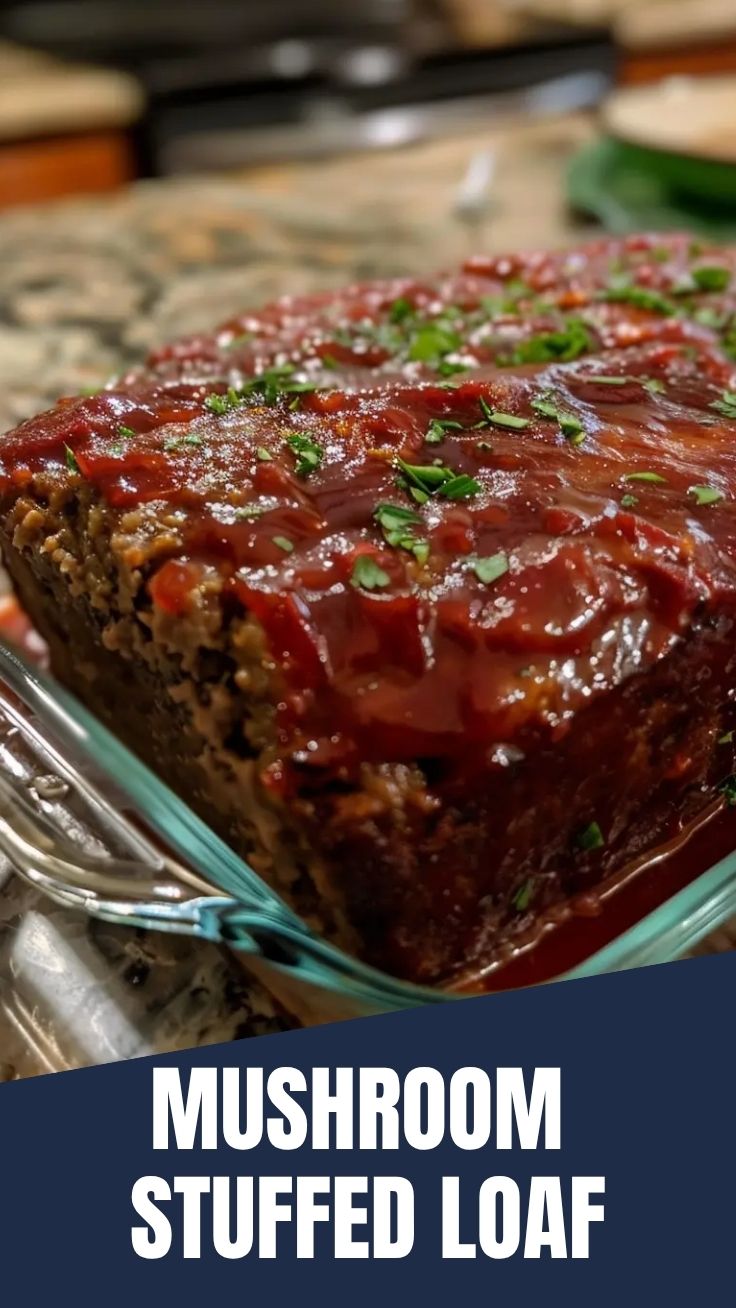
Achieving culinary perfection requires proper planning. This Meatloaf is designed to fit seamlessly into your schedule.
- Prep Time: 15 minutes
- Cook Time: 60-70 minutes
- Resting Time: 10 minutes
Begin by preheating your oven to 350°F (175°C). This allows the oven to reach a consistent temperature, crucial for even cooking. The resting time after baking is equally important; it allows the juices to redistribute, ensuring a tender and moist final product.
Step-by-Step Instructions
Follow these precise steps for a perfectly cooked, succulent Meatloaf. This comprehensive recipe is designed for success.
1. Prepare the Aromatics: In a large mixing bowl, combine the finely chopped onion and minced garlic. This step infuses the dish with essential flavor from the start.
2. Combine Ingredients: Add the ground beef, breadcrumbs, egg, Worcestershire sauce, Dijon mustard, Italian seasoning, salt, and black pepper to the bowl with the aromatics.
3. Mix Thoroughly: Using your hands (the best tools for this!), gently but thoroughly mix all the ingredients until just combined. Be careful not to overmix, as this can lead to a dense, tough Meatloaf. The mixture should hold its shape.
4. Shape the Loaf: Transfer the mixture to the prepared baking sheet. Using your hands, shape it into a compact loaf, approximately 9×5 inches.
5. Apply the Glaze: In a small bowl, whisk together the ketchup. Spread it evenly over the top and sides of the loaf. This adds a beautiful sheen and a tangy finish to the recipe.
6. Bake: Bake for 60-70 minutes, or until the internal temperature reaches 160°F (71°C) when measured with a meat thermometer. The visual cues for doneness are a firm texture and a nicely browned exterior.
7. Rest: Once baked, remove the loaf from the oven and let it rest for 10 minutes before slicing. This allows the juices to redistribute, ensuring a moist and tender result.
Nutritional Benefits & Advantages
Our homestyle Meatloaf is not just delicious; it also boasts several nutritional advantages. Ground beef is an excellent source of protein, essential for muscle repair and growth. It also provides iron, vital for healthy blood, and zinc, which supports immune function. The inclusion of vegetables like onions and garlic adds dietary fiber and antioxidants. By making it at home, you control the ingredients, avoiding excessive sodium, unhealthy fats, and artificial additives often found in store-bought or restaurant versions.
Tips Variations & Cooking Advice
Infuse creativity into your Meatloaf with these ideas:
- Flavor Boosts: Add finely diced bell peppers, carrots, or celery for extra vegetables and texture. A little smoked paprika or a dash of hot sauce can also elevate the flavor profile.
- Cheese Please: Incorporate ½ cup of shredded cheddar or mozzarella cheese into the mixture for a cheesy twist.
- Glaze Variations: Experiment with different glazes. A brown sugar and mustard glaze offers a sweeter alternative, while a mushroom gravy can create a richer, more savory topping.
- Dietary Adaptations: For a gluten-free version, use gluten-free breadcrumbs or crushed pork rinds. For a dairy-free option, ensure all ingredients are dairy-free.
- Mini Meatloaves: Shape the mixture into individual mini loaves and reduce baking time to 25-30 minutes for faster cooking and built-in portion control.
- Moisture Control: If your meatloaf seems too dry, a splash of milk or beef broth can be added to the mixture.
Common Mistakes to Avoid
Even seasoned cooks can make these common Meatloaf missteps:
- Overmixing: This is the most common error. Overmixing compacts the meat proteins, resulting in a dense, tough loaf. Mix until just combined.
- Too Lean Meat: Using extremely lean ground beef (93/7 or higher) can lead to a dry Meatloaf. The fat content in 80/20 beef adds crucial moisture and flavor.
- Underseasoning: Don’t be shy with salt and pepper. A bland loaf is a disappointing loaf. Taste the mixture (carefully, if raw) and adjust.
- Skipping the Rest: Resting allows the juices to redistribute, resulting in a more tender and moist slice. Patience here truly pays off.
- Lack of Binder: Not enough breadcrumbs or egg will cause your loaf to fall apart. Ensure the mixture holds its shape before baking.
Storage & Meal Prep Tips
Maximize your culinary efforts with smart storage solutions for your delicious Meatloaf:
- Refrigeration: Leftover slices can be stored in an airtight container in the refrigerator for up to 3-4 days. This makes for excellent quick lunches or dinners.
- Freezing: For longer storage, wrap individual slices or the entire loaf tightly in plastic wrap, then aluminum foil. Freeze for up to 3 months. When reheating, thaw in the refrigerator overnight.
- Reheating: To maintain moisture, reheat slices gently in the microwave or oven at 300°F (150°C) until warmed through. A splash of water or broth added to the container can help prevent drying out.
- Meal Prep Ideas: Slice the cooked Meatloaf and portion it with mashed potatoes and green beans for convenient, balanced meals throughout the week. Recipe leftovers are also fantastic in sandwiches!
Conclusion
There you have it – the ultimate guide to crafting a spectacular homestyle Meatloaf. This comprehensive recipe not only provides a comforting and nourishing meal but also allows for creative culinary expression. By following these steps and tips, you’re sure to impress your family and friends with a dish that tastes like pure comfort. Don’t hesitate to give this timeless classic a try! Share your experiences and any unique twists you add in the comments below. Happy cooking!
FAQs
Q1: Can I make this Meatloaf ahead of time?
A1: Yes, you can prepare the mixture and shape the loaf up to 24 hours in advance. Cover it tightly and refrigerate until ready to bake. You might need to add a few extra minutes to the baking time if starting from cold.
Q2: What’s the best way to get a crispy crust on my Meatloaf?
A2: For a crispier crust, consider baking the Meatloaf in a loaf pan, or on a wire rack set inside a baking sheet. During the last 10-15 minutes of cooking, you can also increase the oven temperature slightly to 375°F (190°C) to brown it further.
Q3: My Meatloaf seems a bit dry. What went wrong?
A3: Common causes for dry Meatloaf include using too lean of ground meat, overmixing the ingredients, or overcooking. Ensure you use 80/20 ground beef, mix gently, and use a meat thermometer to avoid exceeding the target internal temperature of 160°F (71°C).
Q4: Can I use different binding agents instead of breadcrumbs?
A4: Absolutely! Crushed saltine crackers, rolled oats (quick or old-fashioned), or even gluten-free flour can serve as excellent substitutes for breadcrumbs in this recipe. Adjust quantities as needed to achieve the desired consistency.
Q5: What are some good side dishes to serve with Meatloaf?
A5: Classic pairings include creamy mashed potatoes, steamed green beans, roasted carrots, or a simple garden salad. A side of homemade gravy made from the pan drippings also complements the Meatloaf beautifully.