Unlock the Secret to the Best Garlic Mashed Potatoes: A Home Cook’s Guide
Ever wonder what makes restaurant Mashed Potatoes so irresistibly creamy and flavorful? The truth is, achieving that perfect texture and taste at home is simpler than you think, especially when paired with a rich, savory Gravy. This comprehensive guide will empower you to create a side dish that elevates any meal, transforming a humble potato into a culinary masterpiece. Beyond the impressive results, preparing this staple at home offers unmatched control over ingredients, ensuring a healthier and more personalized dish free from unwanted additives. Let’s delve into the art and science of truly exceptional garlic mashed potatoes.
Ingredients & Kitchen Tools
To embark on this culinary journey, gather the following essentials:
- 2 pounds Russet Potatoes: The starchy king for creamy, fluffy mashed potatoes. Yukon Golds also work well for a slightly waxier texture.
- 6-8 cloves Garlic: Minced or roasted, essential for that signature aromatic flavor.
- ½ cup Unsalted Butter: Quality butter is key for richness and flavor. Can be substituted with a plant-based butter alternative for a dairy-free option.
- ½ cup Warm Milk or Cream: Whole milk, half-and-half, or heavy cream for varying levels of richness. Dairy-free milk (almond, oat) can be used.
- 1 teaspoon Salt: Adjust to taste. Kosher salt or sea salt are preferred.
- ¼ teaspoon Black Pepper: Freshly ground for best flavor.
- Optional Garnishes: Fresh chives, parsley, or a pat of butter for serving.
- Large Pot: For boiling potatoes.
- Potato Masher or Ricer: A ricer yields the smoothest consistency.
- Large Mixing Bowl: For combining ingredients.
- Measuring Cups and Spoons: For accurate ingredient proportions.
- Cutting Board and Knife: For prepping potatoes and garlic.
Prep Time & Cooking Schedule
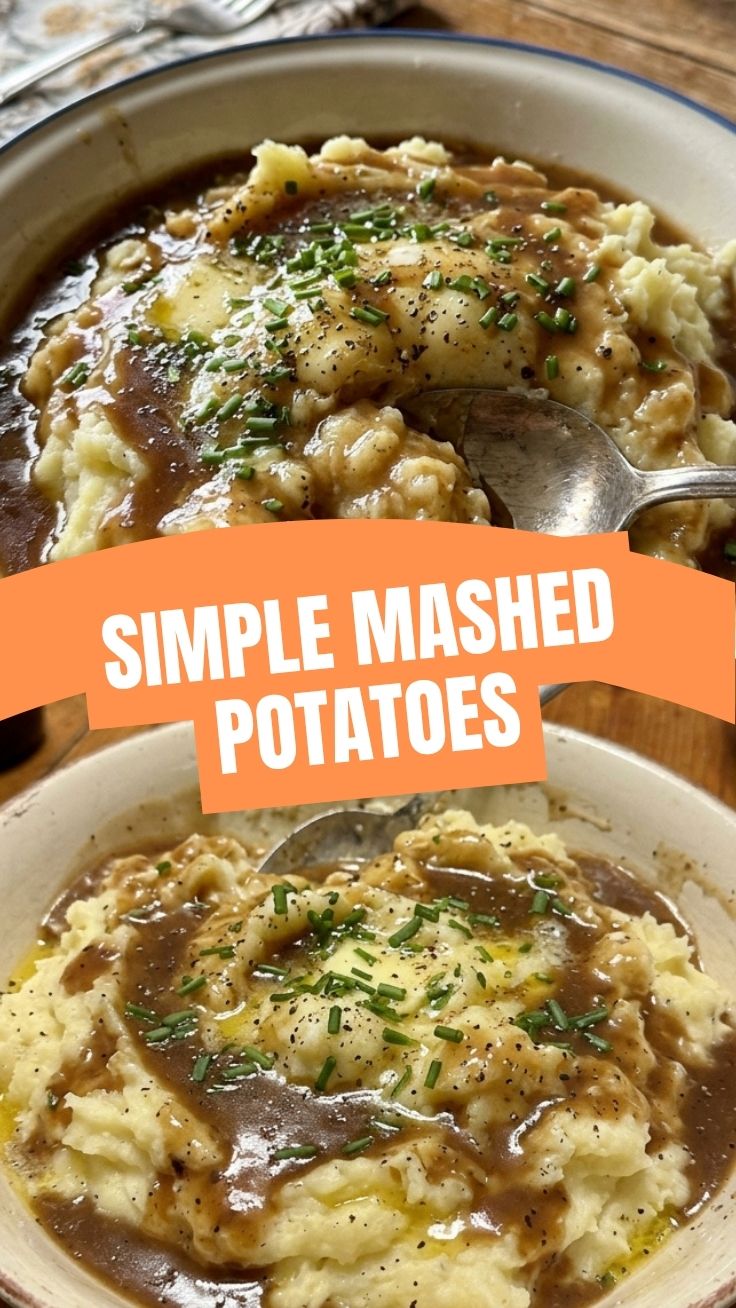
- Prep Time: 15 minutes (peeling and chopping potatoes, mincing garlic)
- Cook Time: 20-25 minutes (boiling potatoes)
- Resting Time: 5 minutes (allowing potatoes to steam dry)
This recipe is surprisingly quick to prepare, making it an ideal side dish for weeknight dinners or a fantastic addition to more elaborate holiday meals. The key is to have all your ingredients prepped and ready to go.
Step-by-Step Instructions
1. Prepare the Potatoes: Peel and chop the Russet potatoes into 1-inch uniform pieces. This ensures even cooking. Rinse them under cold water to remove excess starch.
2. Boil the Potatoes: Place the chopped potatoes in a large pot and cover with cold water by about an inch. Add a generous pinch of salt to the water (this seasons the potatoes from the inside out!). Bring to a boil, then reduce heat and simmer until the potatoes are fork-tender, about 15-20 minutes.
3. Steam Dry: Once cooked, drain the potatoes thoroughly in a colander. Return them to the hot, empty pot. Place the pot back on low heat for 1-2 minutes, shaking occasionally, to allow any remaining moisture to evaporate. This crucial step prevents watery Mashed Potatoes.
4. Infuse Flavor (Garlic): While the potatoes are steaming, in a small saucepan, gently melt the butter with the minced garlic over low heat until fragrant, about 2-3 minutes. Do not brown the garlic. Warm the milk or cream in a separate saucepan or microwave.
5. Mash the Potatoes: Using a potato masher or ricer, thoroughly mash the hot, dry potatoes until no lumps remain. For the smoothest texture, a ricer is highly recommended.
6. Combine and Season: Pour the melted garlic butter and warm milk/cream into the mashed potatoes. Gently fold everything together until just combined. Overmixing can lead to gluey potatoes. Season with salt and pepper to taste. Continue to gently mix until you achieve the desired creamy texture that will perfectly complement any accompanying Gravy. Serve immediately.
Nutritional Benefits & Advantages
Potatoes, often unfairly maligned, are a fantastic source of Vitamin C, B6, potassium, and dietary fiber (especially if you leave some skin on!). Garlic boasts powerful antioxidant and anti-inflammatory properties. While butter and cream add richness, opting for unsalted varieties and moderating portions helps manage caloric intake. Preparing this dish at home allows you to control salt and fat content, making it a healthier alternative to many store-bought options.
Tips, Variations & Cooking Advice
- Roasted Garlic: For a deeper, sweeter garlic flavor, roast whole garlic cloves in olive oil until soft before mashing and adding to the potatoes.
- Herbaceous Kick: Stir in fresh chopped herbs like rosemary, thyme, or chives for an aromatic boost.
- Cheesy Delight: Fold in some grated Parmesan, cheddar, or Gruyère cheese for a richer flavor profile.
- Dairy-Free: Use plant-based butter and unsweetened almond or oat milk for a delicious dairy-free version.
- Extra Richness: For an ultra-creamy mash, swap some of the milk for full-fat sour cream or cream cheese.
- Don’t Overmix: The golden rule of mashing potatoes! Aggressively mixing releases too much starch, resulting in a gummy, unpleasant texture.
Common Mistakes to Avoid
- Boiling in Cold Water: Always start potatoes in cold water and bring to a boil; this ensures even cooking from the outside in.
- Not Draining Properly: Excess water leads to bland, watery potatoes. The steaming step is critical.
- Cold Dairy/Fat: Adding cold milk or butter to hot potatoes cools them down and makes them harder to incorporate smoothly. Warm them slightly beforehand.
- Over-seasoning Initially: It’s easier to add more salt and pepper than to remove it. Season gradually and taste as you go.
Storage & Meal Prep Tips
Leftover Mashed Potatoes can be stored in an airtight container in the refrigerator for up to 3-4 days. They are also freezer-friendly for up to 2-3 months. To reheat, gently warm on the stovetop over low heat, adding a splash of milk or cream to restore creaminess. For frozen portions, thaw in the refrigerator overnight before reheating.
Conclusion
Mastering homemade Mashed Potatoes is a kitchen skill that pays dividends, offering a versatile and comforting side dish that perfectly complements a wide array of main courses. Paired with a rich Gravy, you’ll have a combination that’s truly unbeatable. By following these simple yet effective steps, you’ll consistently achieve a fluffy, flavorful, and utterly satisfying result that will impress everyone at your table. We encourage you to try this recipe and discover the joy of creating culinary perfection from scratch. Share your success in the comments below!
FAQs
Q1: Can I make mashed potatoes ahead of time?
A1: Yes, you can prepare them ahead and reheat. Add a little extra milk or cream when reheating to revive their creamy texture.
Q2: What’s the best type of potato for mashing?
A2: Starchy potatoes like Russet or Idaho are ideal for their fluffy texture. Yukon Golds offer a slightly creamier, richer result.
Q3: How can I fix lumpy mashed potatoes?
A3: If you have a few small lumps, you can gently mash a bit more. For severe lumpiness, a food mill or ricer can help, but avoid overmixing. For future attempts, ensure potatoes are cooked very tender and use a potato ricer.
Q4: My mashed potatoes are gluey. What went wrong?
A4: Gluey potatoes are usually a result of overmixing. Overworking the starches releases too much gluten, leading to a gummy texture. Mash just until smooth.
Q5: Can I use olive oil instead of butter?
A5: While olive oil can be used for healthier fat, it will change the flavor profile. For traditional rich mashed potatoes, butter is recommended.