Mastering the Art of Homemade Lasagna: A Savory Delight for Every Kitchen
Have you ever craved a dish that embodies comfort, flavor, and culinary artistry all in one? Look no further than the timeless classic: homemade Lasagna. This iconic Italian dish, with its rich layers of pasta, succulent meats or vegetables, creamy sauces, and melted cheeses, offers an unparalleled depth of flavor. While it might seem intimidating, preparing a sensational casserole creation like this at home is not only incredibly rewarding but also ensures you control every delicious ingredient. Imagine the aroma filling your kitchen as you craft a dish that will undoubtedly become a family favorite, proving that some gourmet experiences are best made from scratch.
Ingredients & Kitchen Tools
Crafting the perfect Lasagna requires a thoughtful selection of ingredients and the right culinary tools.
- For the Meat Sauce:
* 1 tbsp olive oil: Essential for sautéing.
* 1 large onion, finely chopped: Adds a foundational sweetness.
* 2 cloves garlic, minced: Aromatic backbone of the sauce.
* 1 lb ground beef or Italian sausage: The savory heart of the sauce. For a vegetarian option, use lentils or mushrooms.
* 1 (28 oz) can crushed tomatoes: Provides body and tang.
* 1 (15 oz) can tomato sauce: Enhances the tomato base.
* 2 tbsp tomato paste: Concentrates the tomato flavor.
* 1 tsp dried oregano: Classic Italian seasoning.
* 1/2 tsp dried basil: Adds an aromatic warmth.
* Salt and black pepper to taste: Essential for seasoning.
- For the Ricotta Filling:
* 15 oz ricotta cheese: The creamy, tangy layer.
* 1 large egg: Binds the ricotta mixture.
* 1/4 cup grated Parmesan cheese: Adds salty depth.
* 1/4 cup fresh parsley, chopped: Brightens the flavor.
* Salt and pepper to taste: Balances the flavors.
- Other Components:
* 12-15 lasagna noodles (oven-ready or traditional): The structural foundation.
* 8 oz shredded mozzarella cheese: For that irresistible cheesy pull.
* 1/2 cup grated Parmesan cheese (for topping): Adds a final savory crust.
- Kitchen Tools:
* Large pot or Dutch oven: For simmering the meat sauce.
* 9×13 inch baking dish: The vessel for your layered masterpiece.
* Large mixing bowls: For preparing fillings.
* Whisk: For combining ingredients.
* Spatula/wooden spoon: For stirring and spreading.
* Measuring cups and spoons: For precise ingredient quantities.
Prep Time & Cooking Schedule
Planning is key to a stress-free Lasagna experience!
- Prep Time: 40 minutes (includes chopping, sauce preparation, and cheese mixing).
- Cook Time: 45-55 minutes (uncovered baking).
- Resting Time: 15-20 minutes (crucial for setting the layers and easy slicing).
- Total Time: Approximately 2 hours.
This schedule allows you to prepare the components efficiently. You can even make the meat sauce a day ahead to save time on cooking day, letting the flavors meld beautifully overnight.
Step-by-Step Instructions
Follow these clear steps to construct your magnificent Lasagna:
1. Prepare the Meat Sauce: In a large pot or Dutch oven, heat olive oil over medium heat. Add chopped onion and sauté until softened, about 5 minutes. Stir in minced garlic and cook for another minute until fragrant. Add ground meat, breaking it up with a spoon, and cook until browned. Drain any excess fat. Stir in crushed tomatoes, tomato sauce, tomato paste, oregano, and basil. Bring to a simmer, then reduce heat to low, cover, and cook for at least 30 minutes, or up to an hour, stirring occasionally. Season with salt and pepper.
2. Make the Ricotta Filling: In a medium bowl, combine ricotta cheese, egg, 1/4 cup Parmesan cheese, and fresh parsley. Mix well and season with salt and pepper.
3. Cook Lasagna Noodles (If not oven-ready): Bring a large pot of salted water to a rolling boil. Add lasagna noodles and cook according to package directions until al dente. Drain and rinse with cold water to prevent sticking. Lay them flat on parchment paper or a clean kitchen towel.
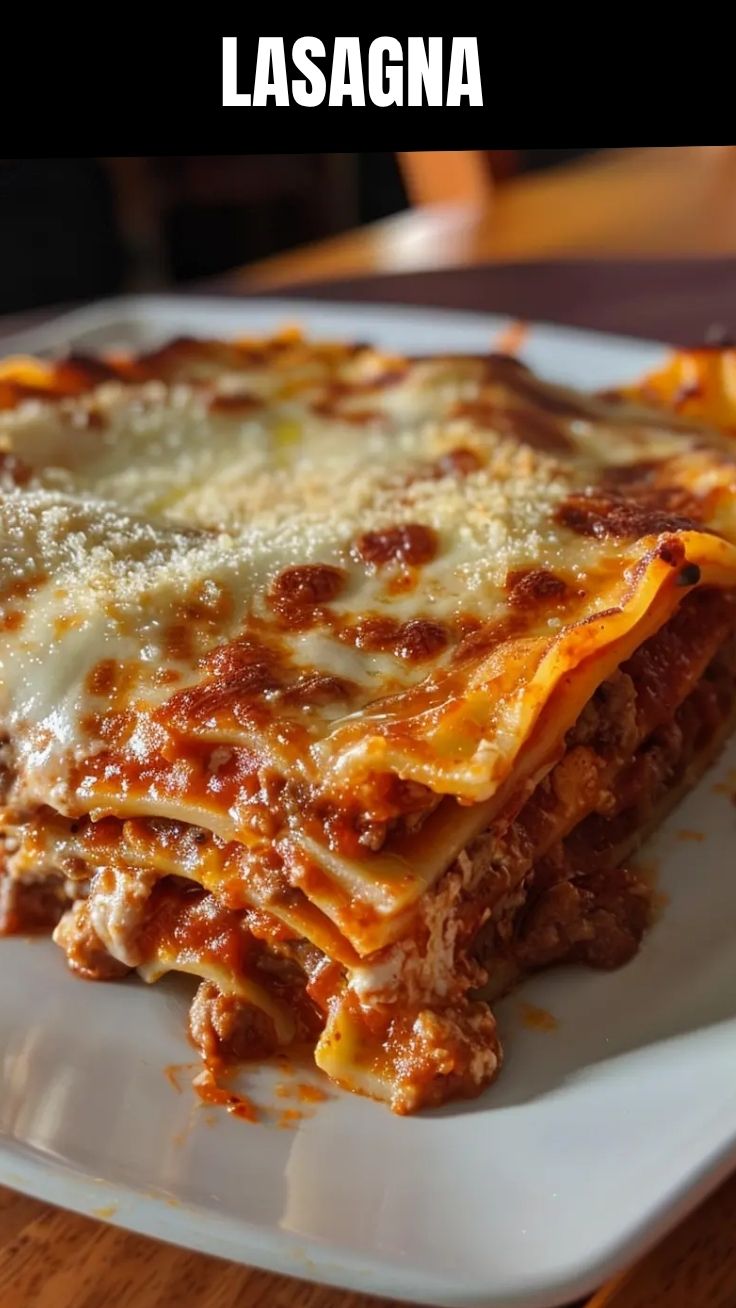
4. Assemble the Lasagna: Preheat your oven to 375°F (190°C). Spread about 1 cup of meat sauce in the bottom of your 9×13 inch baking dish. Lay 3-4 lasagna noodles over the sauce. Spread half of the ricotta mixture evenly over the noodles. Top with about 1.5 cups of meat sauce, followed by a layer of shredded mozzarella cheese. Repeat these layers: noodles, remaining ricotta, meat sauce, and mozzarella. Finish with a final layer of noodles, the remaining meat sauce, and sprinkle generously with the remaining 1/2 cup Parmesan cheese. This layered structure is what gives a homemade Lasagna its iconic appeal and transforms it from a simple dish into an impressive casserole.
5. Bake: Cover the baking dish loosely with aluminum foil (you might want to spray the underside of the foil to prevent cheese sticking). Bake for 25 minutes. Remove the foil and bake for an additional 20-30 minutes, or until the top is golden brown and bubbly.
6. Rest and Serve: This step is crucial! Let the Lasagna rest for 15-20 minutes before slicing and serving. This allows the layers to set, preventing a messy collapse.
Nutritional Benefits & Advantages
Homemade Lasagna offers more than just incredible flavor. It’s a source of protein (from meat and cheese), calcium (from dairy), and essential vitamins from the tomato-based sauce, such as Vitamin C and K. Using whole wheat noodles can increase fiber intake, and incorporating vegetables like spinach or zucchini boosts nutrient density. By making it yourself, you control sodium levels and avoid artificial additives often found in store-bought versions.
Tips, Variations & Cooking Advice
- Vegetarian Lasagna: Substitute ground meat with sautéed mushrooms, zucchini, bell peppers, or a hearty lentil ragu.
- Gluten-Free: Use gluten-free lasagna noodles. Many brands offer excellent alternatives that hold their shape well.
- Dairy-Free: Opt for plant-based ricotta and mozzarella alternatives. Nutritional yeast can add a cheesy flavor profile to the sauce.
- Béchamel Sauce: For a truly authentic Italian experience, replace the ricotta layer with a homemade béchamel sauce (a white sauce made with butter, flour, and milk).
- Spice It Up: Add a pinch of red pepper flakes to your meat sauce for a subtle kick.
- Herbs: Experiment with fresh herbs like basil, oregano, or thyme in both the sauce and ricotta mixture.
Common Mistakes to Avoid
- Undercooked Noodles (Traditional): Ensure noodles are cooked al dente before assembling, or they’ll be tough.
- Insufficient Sauce: A dry Lasagna is no one’s favorite. Make sure each layer is adequately sauced.
- Overcooking: While a golden top is good, excessive baking can dry out the dish.
- Not Resting: Slicing immediately after baking will result in a messy, collapsed dish. Patience is a virtue here!
- Too Much Liquid: If using very watery vegetables (like zucchini), pre-sauté them to draw out moisture, preventing a soggy Lasagna.
Storage & Meal Prep Tips
Leftover Lasagna is a delight that often tastes even better the next day!
- Refrigeration: Store cooled Lasagna in an airtight container in the refrigerator for up to 3-4 days.
- Freezing: For longer storage, portions can be frozen individually or as a whole dish. Wrap tightly in plastic wrap and then aluminum foil. It will keep well for up to 2-3 months.
- Reheating: Thaw frozen Lasagna in the refrigerator overnight. Reheat in the oven at 350°F (175°C) until heated through, approximately 20-30 minutes for individual portions, or 40-50 minutes for a whole dish, covered to prevent drying. Alternatively, microwave individual servings.
Conclusion
Creating a homemade Lasagna is more than just cooking; it’s an act of love and a delicious journey into culinary tradition. This layered masterpiece, a true classic among casserole dishes, promises to be a showstopper at any dinner table, offering warmth, satisfaction, and unforgettable flavors. We encourage you to roll up your sleeves, embrace the process, and savor every bite of your homemade creation. Share your Lasagna successes and any unique twists you add in the comments below!
FAQs
- Q: Can I prepare Lasagna ahead of time?
* A: Yes, you can assemble the entire Lasagna (without baking) and refrigerate it for up to 24 hours. Add an extra 10-15 minutes to the baking time if baking from cold.
- Q: What if my Lasagna falls apart when I cut it?
* A: The most common reason is not allowing it enough resting time after coming out of the oven. This crucial step allows the cheese and sauces to set.
- Q: Can I use different types of cheese?
* A: Absolutely! Feel free to experiment with provolone, fontina, or a blend of Italian cheeses to customize the flavor profile.
- Q: How do I prevent my Lasagna from being watery?
* A: Ensure your meat sauce is thick and not too runny. If using vegetables known for high water content (like zucchini or spinach), sauté them first to remove excess moisture.
- Q: Is it better to use no-boil or traditional noodles?
* A: Both work well. No-boil noodles can save time, but traditional noodles (cooked al dente) often provide a slightly firmer texture. Choose based on your preference and time constraints.