The Ultimate Guide to Crafting Healthy, High-Protein BBQ at Home
Ever wondered if you could enjoy that smoky, savory BBQ flavor without derailing your health goals? The answer, unequivocally, is yes! Bringing the magic of the grill into your kitchen allows for incredible control over ingredients, making those indulgent BBQ experiences not just guilt-free, but genuinely nourishing. Today, we’re diving deep into making high protein BBQ recipes healthy, proving that delicious doesn’t have to mean unhealthy. We’ll explore techniques and ingredients that elevate your grilling game, ensuring every bite is packed with lean protein and vibrant flavors. Forget those heavy, sugar-laden sauces – we’re reimagining BBQ for the health-conscious connoisseur. Get ready to transform your cooking and discover the joy of creating healthy high protein grill recipes right in your own backyard or kitchen.
Ingredients & Kitchen Tools
This recipe focuses on lean protein and fresh, vibrant ingredients to deliver maximum flavor and nutrition.
- Protein Choice (2 lbs):
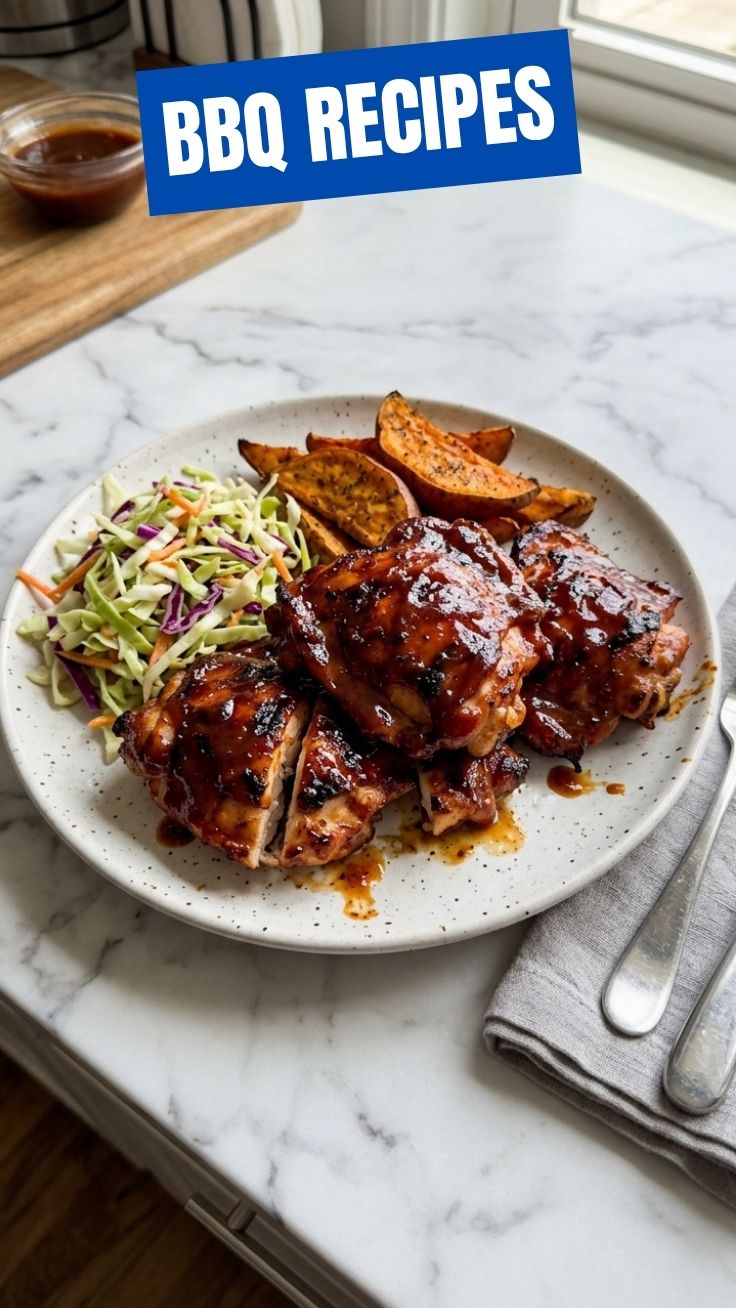
Chicken Breast/Thighs (boneless, skinless): Lean, versatile, and absorbs marinades beautifully. Substitution: Pork tenderloin or sirloin steak for a red meat option.*
* Firm Tofu/Tempeh (extra-firm, pressed): For a fantastic plant-based alternative.
- Homemade BBQ Rub:
* Smoked Paprika (2 tbsp): Adds deep, smoky flavor without artificial liquid smoke.
* Garlic Powder (1 tbsp): Pungent aromatic base.
* Onion Powder (1 tbsp): Sweet and savory depth.
Cayenne Pepper (1 tsp, adjust to taste): A touch of heat. Substitution: Chipotle powder for a smokier spice.*
* Black Pepper (1 tsp): Freshly ground for best flavor.
* Sea Salt (1 tsp): Enhances all other flavors.
Erythritol or Stevia (1 tbsp): A hint of sweetness without added sugar. Substitution: Date sugar or a tiny amount of maple syrup for a natural, unrefined sweetener.*
- Tangy BBQ Sauce (Sugar-Free):
* Tomato Paste (1/2 cup): Concentrated tomato flavor.
* Apple Cider Vinegar (1/4 cup): Provides essential tang and acidity.
* Dijon Mustard (1 tbsp): Adds sharpness and emulsification.
* Worcestershire Sauce (1 tbsp): Umami depth. (Check for sugar-free versions if strict keto).
* Water (1/4 cup, or broth): To thin to desired consistency.
* Erythritol/Stevia (1-2 tbsp, to taste): Sweetener power.
- Fresh Garnish:
* Fresh Parsley/Cilantro (chopped): For a pop of color and freshness.
- Kitchen Tools:
* Mixing Bowls (2): For rub and sauce.
* Whisk: To combine sauce ingredients.
* Grill (outdoor or indoor grill pan): Essential for that BBQ char.
* Tongs: For handling protein on the grill.
* Meat Thermometer: Crucial for food safety and perfect doneness.
* Basting Brush: For applying BBQ sauce.
Prep Time & Cooking Schedule
- Prep Time: 15 minutes (active hands-on)
- Marinating Time: 30 minutes to 4 hours (longer for deeper flavor, but 30 min is fine for chicken breast)
- Cook Time: 10-25 minutes (depending on protein thickness and grill temperature)
- Resting Time: 5-10 minutes (allows juices to redistribute for juicier results)
This allows you to prepare the rub and sauce in advance, marinate your chosen protein, and then execute the quick grill process. For busy weeknights, a shorter marinade is perfectly acceptable, while a longer soak on the weekend truly enhances the rich flavors.
Step-by-Step Instructions
1. Prepare the Protein: Pat your chicken, tofu, or other protein dry with paper towels. This helps the rub adhere better and promotes a better sear. Cut larger pieces into manageable portions if desired.
2. Make the BBQ Rub: In a small bowl, combine smoked paprika, garlic powder, onion powder, cayenne pepper, black pepper, sea salt, and erythritol/stevia. Mix thoroughly.
3. Season & Marinate: Evenly coat your protein with the prepared BBQ rub. For best results with high protein BBQ recipes healthy, let it marinate in the refrigerator for at least 30 minutes, or up to 4 hours. This allows the flavors to penetrate the meat.
4. Whip Up the Tangy Sauce: While marinating, combine tomato paste, apple cider vinegar, Dijon mustard, Worcestershire sauce, water (or broth), and erythritol/stevia in a small saucepan. Bring to a simmer over medium heat, stirring occasionally, until slightly thickened (about 5-7 minutes). Taste and adjust sweetness or tang as needed.
5. Preheat Grill: Preheat your grill (gas or charcoal) to medium-high heat (375-400°F / 190-205°C). Clean the grates thoroughly and lightly oil them to prevent sticking. For healthy high protein grill recipes, a well-preheated grill is key for a good sear.
6. Grill the Protein: Place the marinated protein directly on the hot grates. Grill for 4-7 minutes per side for chicken breast or tenderloin, or until the internal temperature reaches the safe cooking temperature (165°F/74°C for chicken, 145°F/63°C for pork/beef). Turn only once to ensure good grill marks. For tofu/tempeh, grill until golden brown and slightly crispy, about 5-8 minutes per side.
7. Baste with Sauce (Last Few Minutes): During the last 2-3 minutes of cooking, generously brush the protein with your homemade BBQ sauce. This creates a beautiful glaze without burning the sugar (since we used a sugar substitute).
8. Rest & Serve: Remove the protein from the grill and let it rest on a cutting board, loosely tented with foil, for 5-10 minutes. This is crucial for juicy results. Garnish with fresh parsley or cilantro.
Nutritional Benefits & Advantages
This recipe prioritizes lean proteins, essential for muscle repair, growth, and satiety. By opting for a homemade, sugar-free BBQ sauce, you drastically cut down on refined sugars and unhealthy additives often found in store-bought versions. The spices in the rub, such as paprika and cayenne, are rich in antioxidants and can even boost metabolism. Furthermore, grilling as a cooking method often requires less added oil, contributing to a lighter meal. This approach ensures your BBQ isn’t just tasty, but also supports your fitness and wellness goals with a powerful dose of protein and fiber (if served with appropriate sides).
Tips Variations & Cooking Advice
- Smoky Flavor Boost: Add a pinch of liquid smoke to the BBQ sauce for an intensified smoky flavor without a smoker.
- Vegetable Power-Up: Grill alongside thinly sliced bell peppers, onions, or zucchini for a complete, nutritious meal.
- Spice Level: Adjust cayenne pepper to your preference. For a milder version, omit it entirely.
- Slow Cooker Alternative: For tougher cuts like pork shoulder, adapt this recipe for a slow cooker. Rub the meat, sear it, then slow cook with the BBQ sauce on low for 6-8 hours. Shred and serve!
- Dietary Adaptations:
* Keto/Low-Carb: This recipe is inherently keto-friendly due to the sugar-free sauce and lean protein.
* Gluten-Free: Ensure Worcestershire sauce is gluten-free (some brands contain wheat). All other ingredients are naturally gluten-free.
* Vegan: Use extra-firm tofu or tempeh as the protein.
Common Mistakes to Avoid
- Not Patting Protein Dry: Leads to steaming instead of searing, resulting in less flavorful grill marks.
- Overcrowding the Grill: Lowers the grill temperature and prevents proper searing, leading to uneven cooking. Cook in batches if necessary.
- Applying Sauce Too Early: The sugar (even substitutes) in BBQ sauce can burn quickly over high heat, creating a bitter taste. Apply only in the last few minutes.
- Not Resting the Meat: Skipping this step causes juices to escape when sliced, resulting in dry, less flavorful meat.
- Eyeballing Doneness: Always use a meat thermometer to ensure food safety and prevent overcooking, especially with lean proteins.
Storage & Meal Prep Tips
Leftover grilled protein can be stored in an airtight container in the refrigerator for up to 3-4 days. It’s excellent for meal prep! Reheat gently in a microwave or oven, taking care not to dry it out. You can also slice the cold protein and add it to salads, wraps, or bowls for quick, high-protein meals throughout the week. The homemade BBQ sauce can be stored separately in an airtight jar in the fridge for up to one week.
Conclusion
Crafting delectable, high protein BBQ recipes healthy at home is not only achievable but immensely satisfying. By focusing on quality ingredients, smart preparation, and mindful cooking techniques, you can enjoy all the smoky flavors you love without the guilt. This recipe empowers you to take control of your plate, proving that nourishing meals can be incredibly flavorful and enjoyable. So fire up your grill, embrace these principles, and start creating your own healthy high protein grill recipes. Don’t be shy – give this recipe a try and share your delicious results in the comments below! We’d love to hear how you customized it.
FAQs
Q1: Can I use pre-made BBQ sauce?
A1: While you can, store-bought sauces are often high in sugar and sodium, undermining the “healthy” aspect. If you must, look for sugar-free or low-sugar options and check the ingredient list carefully.
Q2: What’s the best way to get a good char without burning?
A2: A properly preheated grill is key. Ensure your grates are clean and lightly oiled. Don’t flip the protein too often; let it cook undisturbed for a few minutes on each side to develop those coveted grill marks.
Q3: How can I make this spicier?
A3: Increase the amount of cayenne pepper in the rub, or add a pinch of chili flakes or a dash of hot sauce to your homemade BBQ sauce.
Q4: Can I bake this instead of grilling?
A4: Yes! Marinate your protein, then bake on a lined baking sheet at 400°F (200°C) for 15-25 minutes (depending on thickness), basting with sauce during the last 5-10 minutes. You won’t get the char, but it will still be delicious.
Q5: What are good side dishes for this recipe?
A5: Consider grilled vegetables, a crisp green salad, cauliflower “rice,” a low-carb coleslaw with a vinaigrette dressing, or roasted asparagus for a complete and healthy meal.