Beyond the Basic Salad: Crafting the Perfect Mediterranean Summer Dish at Home
Ever wondered how to capture the vibrant essence of summer on a plate, brimming with flavor and packed with goodness? Imagine a meal that’s both deliciously satisfying and remarkably healthy. Today, we’re diving deep into crafting one of the most delightful healthy Mediterranean summer recipes – a dish that not only tantalizes your taste buds but also nourishes your body from the inside out. Preparing this at home isn’t just about cooking; it’s about embracing a lifestyle, controlling your ingredients, and ensuring every bite contributes to your well-being. And when it comes to maximizing time and efficiency, understanding the principles of Mediterranean diet meal prep becomes invaluable. Let’s unlock the secrets to creating culinary magic in your own kitchen.
Ingredients & Kitchen Tools
To embark on this culinary journey, gather the following:
- 2 tablespoons extra virgin olive oil: The heart of Mediterranean cooking, ideal for sautéing and drizzling.
- 1 large onion, chopped: Provides a flavorful aromatic base.
- 2 cloves garlic, minced: Enhances the savory depth.
- 1 large eggplant, diced: Adds a meaty texture and absorbs flavors beautifully.
- 2 medium zucchini, diced: Contributes freshness and a slight sweetness.
- 1 red bell pepper, deseeded and diced: For color and a sweet-tart note.
- 1 yellow bell pepper, deseeded and diced: Adds another layer of sweetness and visual appeal.
- 400g can crushed tomatoes: Forms the rich, saucy foundation.
- 1 teaspoon dried oregano: A quintessential Mediterranean herb.
- ½ teaspoon dried thyme: Complements the oregano with an earthy aroma.
- Salt and freshly ground black pepper to taste: Essential for seasoning.
- Fresh basil leaves, torn (for garnish): Brightens the dish with a peppery, sweet aroma.
- Optional: Feta cheese, crumbled: For a salty, tangy finish.
- Optional: Crusty whole-grain bread: Perfect for soaking up the delicious juices.
Kitchen Tools:
- Large deep skillet or Dutch oven: For even cooking and sautéing.
- Cutting board and sharp knife: For efficient preparation of vegetables.
- Wooden spoon or spatula: For stirring and scraping.
- Measuring spoons and cups: For accurate ingredient quantities.
Prep Time & Cooking Schedule
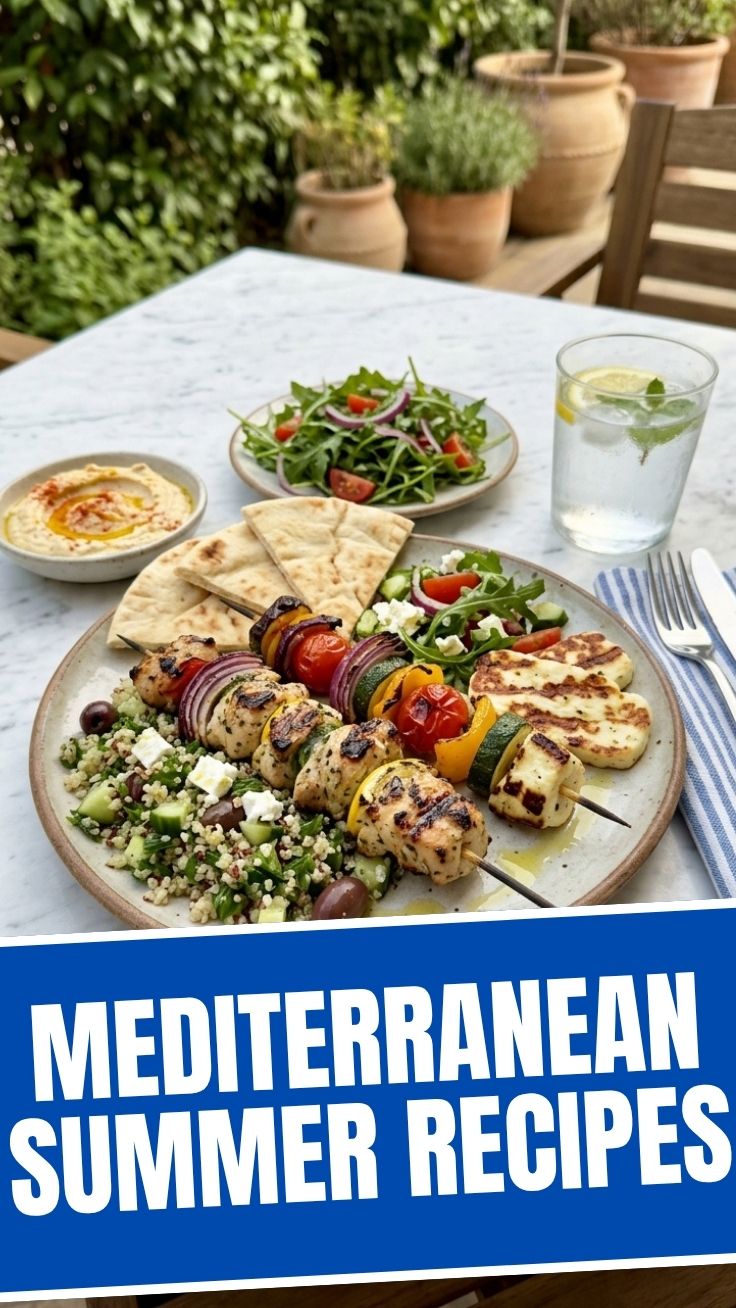
- Prep Time: 20 minutes (allow extra time if you’re new to dicing vegetables).
- Cook Time: 30-40 minutes (until vegetables are tender and flavors meld).
- Resting Time: 5-10 minutes (allows flavors to deepen before serving).
This dish is relatively quick to prepare, making it ideal for a weeknight dinner or a relaxed weekend lunch. The chopping is the most time-consuming part, so consider prepping your vegetables in advance during a dedicated Mediterranean diet meal prep session to save time on cooking day.
Step-by-Step Instructions
1. Sauté Aromatics: Heat the olive oil in your large deep skillet or Dutch oven over medium heat. Add the chopped onion and cook until softened and translucent, about 5-7 minutes. Add the minced garlic and cook for another minute until fragrant, being careful not to burn it.
2. Introduce Vegetables: Add the diced eggplant to the skillet. Cook for 5-7 minutes, stirring occasionally, until it begins to soften. Eggplant acts like a sponge, absorbing the garlic and onion flavors.
3. Layer in More Flavor: Stir in the diced zucchini, red and yellow bell peppers. Continue to cook for another 10-12 minutes, or until the vegetables are tender-crisp. You want them to retain a slight bite.
4. Simmer with Tomatoes and Herbs: Pour in the crushed tomatoes. Add the dried oregano and thyme. Season generously with salt and freshly ground black pepper. Stir everything well to combine.
5. Develop Flavors: Bring the mixture to a gentle simmer. Reduce the heat to low, cover, and cook for 15-20 minutes, stirring occasionally. This simmering period is crucial for the flavors to meld and deepen, transforming individual ingredients into a harmonious and truly delicious healthy Mediterranean summer recipe. The goal here is a rich, satisfying stew-like consistency.
6. Garnish and Serve: Once the vegetables are tender and the sauce has thickened slightly, remove from heat. Stir in fresh basil leaves. If desired, crumble feta cheese over the top just before serving. Enjoy this nutritious dish warm, perhaps with a side of whole-grain bread to soak up every last drop.
Nutritional Benefits & Advantages
This dish is a powerhouse of nutrition, reflecting the core principles of the Mediterranean diet. It’s rich in fiber from the abundance of vegetables, promoting digestive health and satiety. The extra virgin olive oil provides healthy monounsaturated fats, beneficial for heart health. Tomatoes are packed with lycopene, a powerful antioxidant, while the varied vegetables offer a spectrum of vitamins and minerals, including Vitamin C, Vitamin A, and potassium. It’s naturally low in saturated fat and high in plant-based nutrients, making it an excellent choice for a balanced and vibrant diet.
Tips, Variations & Cooking Advice
- Spice it up: Add a pinch of red pepper flakes with the garlic for a touch of heat.
- Herb variations: Experiment with fresh rosemary or marjoram for different aromatic profiles.
- Protein boost: Stir in a can of drained and rinsed chickpeas or white beans during the last 10 minutes of cooking for added protein and fiber. Grilled chicken or fish also pairs wonderfully with this dish.
- Roasted vegetables: For deeper flavor, instead of sautéing, you can roast the diced eggplant, zucchini, and bell peppers in the oven with olive oil, salt, and pepper at 200°C (400°F) for 20-25 minutes before adding them to the tomato sauce.
- Dietary Adaptations: Naturally gluten-free and dairy-free (if omitting feta). It’s also vegan-friendly.
Common Mistakes to Avoid
- Overcrowding the pan: This leads to steaming instead of sautéing, resulting in soggy vegetables. Cook in batches if necessary.
- Undercooking eggplant: Eggplant needs time to soften and release its best flavor. Don’t rush this step.
- Burning the garlic: Garlic cooks quickly. Add it after the onion has softened and cook only until fragrant to avoid bitterness.
- Lack of seasoning: Taste and adjust salt and pepper throughout the process. Don’t be shy with seasoning; it brings out the best in the fresh ingredients.
Storage & Meal Prep Tips
This dish is fantastic for meal prep!
- Refrigeration: Store cooled leftovers in an airtight container in the refrigerator for up to 3-4 days. The flavors often improve overnight.
- Freezing: This dish freezes exceptionally well. Portion into individual freezer-safe containers and freeze for up to 3 months. Thaw overnight in the refrigerator before reheating.
- Reheating: Reheat gently on the stovetop over low heat, adding a splash of water or vegetable broth if it seems too thick. Microwave reheating is also an option, but stir occasionally to ensure even heating.
Conclusion
Embracing the simplicity and profound flavors of Mediterranean cuisine has never been easier or more rewarding. This delightful healthy Mediterranean summer recipe is a testament to how vibrant, nourishing, and utterly delicious home cooking can be. By incorporating these principles into your routine, especially through strategic Mediterranean diet meal prep, you’re not just preparing a meal; you’re cultivating a healthier, more flavorful lifestyle. We encourage you to try this recipe, experiment with your favorite summer vegetables, and share your culinary creations with us! What are your go-to Mediterranean summer ingredients?
FAQs
Q1: Can I use different vegetables in this recipe?
A1: Absolutely! This dish is incredibly versatile. Feel free to substitute or add other seasonal vegetables like green beans, mushrooms, or even sweet potatoes (though they’ll change the traditional Mediterranean profile slightly).
Q2: How can I make this dish more substantial for a main course?
A2: Serve it over quinoa, brown rice, or alongside grilled halloumi cheese for a more filling vegetarian option. As mentioned, adding chickpeas, white beans, or grilled chicken also works wonderfully.
Q3: What’s the best type of olive oil to use?
A3: Always opt for extra virgin olive oil for its superior flavor and health benefits, especially for a dish that celebrates Mediterranean ingredients.
Q4: Can I prepare this in a slow cooker?
A4: Yes, you can adapt this for a slow cooker. Sauté the onions and garlic first on the stovetop for flavor depth, then combine all ingredients in the slow cooker and cook on low for 4-6 hours or high for 2-3 hours, or until vegetables are tender.
Q5: My vegetables are turning out watery. What went wrong?
A5: This usually happens if you’ve overcrowded the pan or cooked on too low heat initially. Ensure your skillet is hot enough and don’t overload it to allow the vegetables to sear and release moisture properly, instead of steaming. Also, eggplant can release a lot of water; salting it and letting it drain before cooking can help.