Sizzle, Share, & Savor: Your Guide to Perfect Grilled Veggie Kabobs!
Ever wondered how to transform simple vegetables into a dazzling display of flavor and vibrant color? Look no further! This comprehensive guide will unleash the secrets to crafting mouthwatering Grilled Veggie Kabobs that are not only a feast for the eyes but also a delight for your palate. Preparing these colorful vegetable skewers at home offers an unparalleled opportunity to control ingredients, experiment with seasonings, and create a healthy, satisfying meal that caters to your exact preferences. Get ready to impress your family and friends with a dish that’s as fun to make as it is to eat!
Ingredients & Kitchen Tools
To embark on your grilled kabob adventure, gather these essentials:
- Fresh Vegetables:
* Bell Peppers (red, yellow, orange): Offer sweetness and crunch. Cut into 1-inch squares.
* Zucchini & Yellow Squash: Mild flavor, soft texture. Cut into 1/2-inch thick rounds or half-moons.
* Cherry Tomatoes: Juiciness and burst of flavor. Keep whole.
* Red Onion: Sharpness and caramelizes beautifully. Cut into 1-inch wedges.
* Mushrooms (cremini or button): Earthy umami. Keep whole if small, halved if larger.
* Optional: Eggplant (cubed), corn on the cob (cut into 1-inch rounds), pineapple chunks (for a sweet-savory twist).
- Marinade:
* Olive Oil: Base for the marinade, helps vegetables crisp.
* Lemon Juice or Red Wine Vinegar: Adds brightness and acidity.
* Garlic: minced, for aromatic depth.
* Dried Herbs: Oregano, thyme, rosemary for classic flavor.
* Salt & Black Pepper: Essential seasoning.
* Optional: Smoked paprika (for a smoky flavor), a touch of honey or maple syrup (for sweetness), soy sauce (for umami).
- Kitchen Tools:
* Skewers: Metal or wooden. If using wooden, soak them in water for at least 30 minutes to prevent burning.
* Large Mixing Bowl: For tossing vegetables with marinade.
* Basting Brush: For applying additional marinade while grilling.
* Grilling Tongs: For turning kabobs.
* Sharp Knife & Cutting Board: For prepping vegetables.
* Grill: Charcoal or gas, for that perfect smoky char.
Prep Time & Cooking Schedule
- Prep Time: 20-25 minutes (for chopping vegetables and making marinade).
- Marinating Time: 30 minutes to 2 hours (optional, but highly recommended for deeper flavor. Don’t marinate watery vegetables like zucchini for too long as they can become soggy).
- Cook Time: 10-15 minutes (depending on grill temperature and desired char).
Plan to chop your vegetables first, then prepare your marinade. While the vegetables soak up the flavors, you can preheat your grill, ensuring a seamless cooking process. This methodical schedule guarantees perfectly cooked and flavorful kabobs without any last-minute rush.
Step-by-Step Instructions
1. Prepare the Vegetables: Wash and chop all your chosen vegetables into roughly uniform sizes. This ensures even cooking.
2. Make the Marinade: In your large mixing bowl, whisk together olive oil, lemon juice (or vinegar), minced garlic, dried herbs, salt, and pepper. Adjust seasonings to your liking.
3. Marinate the Veggies: Add the chopped vegetables to the bowl with the marinade. Toss gently to ensure every piece is thoroughly coated. Let it sit for at least 30 minutes, or up to 2 hours in the refrigerator.
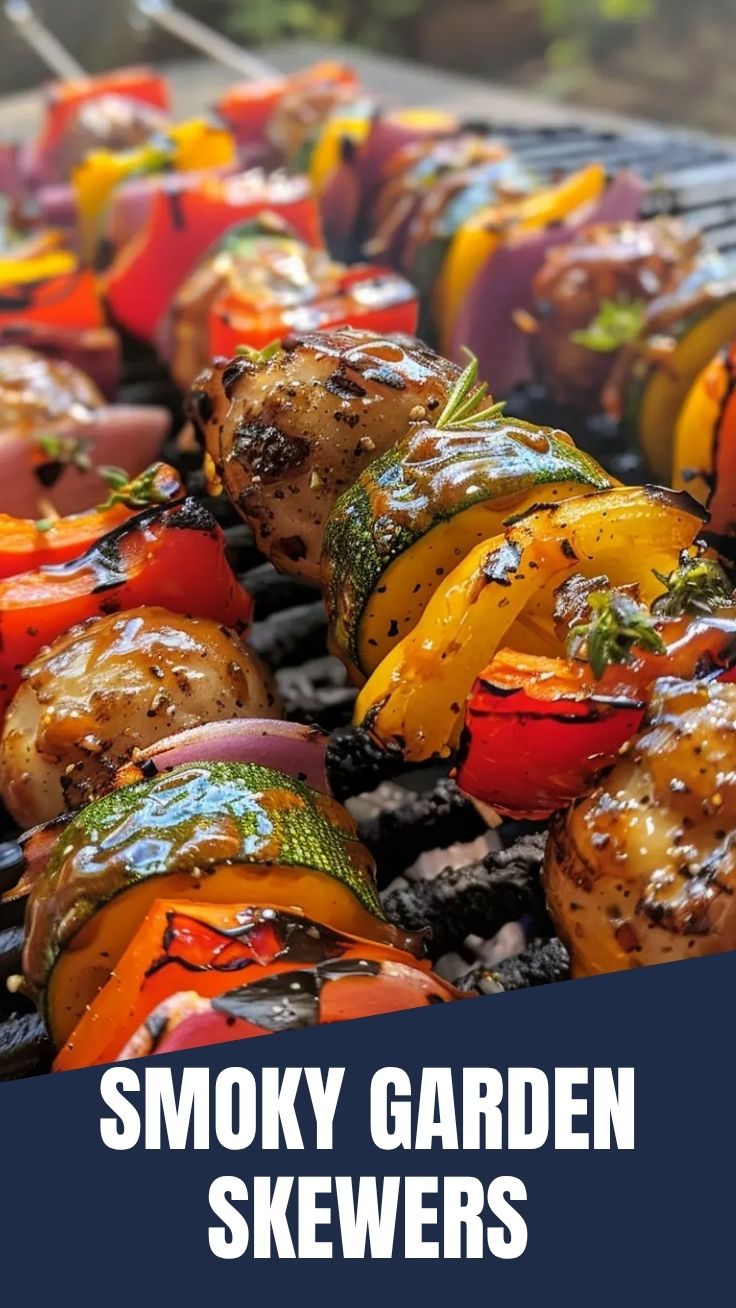
4. Skewer the Kabobs: If using wooden skewers, remember to soak them! Alternate your chosen vegetables on the skewers, ensuring they are not packed too tightly. Leave a small space between pieces to allow for even cooking and charring. These beautifully assembled Grilled Veggie Kabobs are truly a work of art.
5. Preheat the Grill: Heat your grill to medium-high heat (around 400-450°F or 200-230°C). Lightly oil the grill grates to prevent sticking.
6. Grill the Kabobs: Place the vegetable skewers directly on the hot grates. Grill for 10-15 minutes, turning every 2-3 minutes, until the vegetables are tender-crisp and have attractive char marks. Baste with any remaining marinade partway through cooking (discard any marinade that touched raw vegetables).
7. Serve Immediately: Remove from the grill and serve hot.
Nutritional Benefits & Advantages
These vibrant kabobs are a powerhouse of nutrition! Packed with an array of colorful vegetables, they offer a rich source of vitamins (A, C, K), minerals (potassium, folate), and dietary fiber. Fiber aids digestion, promotes satiety, and helps regulate blood sugar levels. Bell peppers are particularly high in Vitamin C, a powerful antioxidant, while zucchini and mushrooms provide essential B vitamins. Grilling further enhances their natural sweetness and gives them a desirable smoky flavor without adding excessive fats. They are naturally gluten-free, dairy-free, and easily adaptable for vegan diets, making them a fantastic healthy option for almost everyone.
Tips, Variations & Cooking Advice
- Flavor Boosts: Add a sprinkle of chili flakes for a kick, or a dash of balsamic glaze after grilling for a sweet and tangy finish.
- Ingredient Swaps: Experiment with different vegetables like asparagus, cherry tomatoes, or even firm tofu for added protein. Consider fruit additions like pineapple or peaches for a sweet and savory experience.
- Alternative Cooking Methods:
* Oven Roasting: Lay kabobs on a baking sheet and roast at 400°F (200°C) for 20-25 minutes, flipping halfway.
* Indoor Grill Pan: Cook on a preheated grill pan, turning regularly, until tender and charred.
- Portion Control: Adjust the number of vegetables per skewer to suit individual appetites.
- Dietary Adaptations: Easily keep these vegan by ensuring your marinade is plant-based.
Common Mistakes to Avoid
- Uneven Chops: Inconsistently sized vegetables lead to some pieces being overcooked and others undercooked. Aim for uniform pieces.
- Overcrowding Skewers: Packing vegetables too tightly prevents even heat distribution and good charring. Give them some breathing room.
- Not Soaking Wooden Skewers: This is a common pitfall that results in burnt skewers and potentially lost vegetables. Don’t skip this step!
- Overcooking: Vegetables should be tender-crisp, not mushy. Watch them closely.
- Grilling Cold Veggies: Bring marinated vegetables to room temperature for about 15-20 minutes before grilling for more even cooking.
Storage & Meal Prep Tips
Leftover grilled vegetable kabobs can be stored in an airtight container in the refrigerator for up to 3-4 days. They are fantastic reheated gently in a microwave, oven, or even a pan on the stovetop. To maintain texture, avoid excessive reheating. For meal prep, you can chop and marinate the vegetables a day in advance, storing them in the refrigerator, ready to be skewered and grilled when you’re ready to cook. They can also be de-skewered and added to salads, wraps, or grain bowls for easy lunches. Freezing is not recommended as it will alter the texture of most grilled vegetables.
Conclusion
There you have it – your definitive guide to creating irresistibly delicious Grilled Veggie Kabobs! This versatile recipe not only allows for endless customization but also delivers a healthy, flavorful, and visually stunning dish that’s perfect for barbecues, weeknight dinners, or entertaining. By following these simple steps, you can confidently turn a colorful array of produce into beautifully charred vegetable skewers. We encourage you to try this recipe and discover the joy of grilling fresh, vibrant vegetables. Share your creations in the comments below, or tell us your favorite veggie combinations!
FAQs
1. Can I use frozen vegetables for kabobs?
* While fresh is best for texture, you can use certain frozen vegetables like bell peppers or onions. Thaw them completely and pat dry before marinating to avoid excess water.
2. How do I prevent vegetables from sliding off the skewer?
* Cut vegetables into substantial chunks. For softer items like cherry tomatoes, piercing them perpendicularly to the skewer can help. Using two skewers per kabob can also add stability.
3. What are some good substitutions for olive oil in the marinade?
* Avocado oil or grapeseed oil are good neutral alternatives. For specific flavor profiles, try sesame oil (for an Asian twist) or a nut oil.
4. My kabobs are burning on the outside but raw inside. What am I doing wrong?
* This usually means your grill heat is too high. Reduce the temperature to medium-high and ensure your vegetables are cut to a consistent, manageable size.
5. How can I make these kabobs spicier?
* Add a pinch of cayenne pepper, red pepper flakes, or a dash of hot sauce to your marinade. You could also include jalapeño or serrano pepper slices on the skewers.