The Ultimate Chill: Master the Art of Classic Gazpacho at Home
Ever dreamt of capturing the vibrant taste of summer in a single, refreshing spoonful? Imagine a dish that’s both effortlessly elegant and deeply satisfying, a culinary experience that transports you straight to the sun-drenched coasts of Andalusia. That’s the magic of Gazpacho (Classic) – a true jewel of Spanish cuisine. This iconic cold soup, brimming with ripe tomatoes and crisp vegetables, isn’t just a meal; it’s a sensory journey. And guess what? Crafting this exquisite Spanish recipe at home is far simpler than you might think, offering unparalleled freshness and flavor compared to any store-bought alternative. Forget bland imitations; today, we’re diving deep into the authentic methods to create a gazpacho that will truly redefine your summer dining. Get ready to impress your taste buds, family, and friends with this timeless, healthy, and incredibly delicious classic.
Ingredients & Kitchen Tools
Gather your culinary arsenal! Here’s what you’ll need to create your perfect Gazpacho (Classic):
- Ripe Tomatoes (2 lbs / approx. 5-6 medium): Vine-ripened Roma or beefsteak tomatoes are ideal for their sweetness and low seed count.
- Cucumber (1 large / or 2 small): English or Persian cucumbers offer a delicate flavor and minimal seeds; peel if skin is thick or waxy.
- Green Bell Pepper (1 medium): Adds a subtle peppery note and vibrant color. Remove seeds and membranes.
- Red Onion (1/2 small): A touch of red onion provides a gentle pungency; white or yellow can be substituted for a milder flavor.
- Garlic Clove (1-2, to taste): Fresh garlic is essential for depth; adjust quantity based on your preference.
- Extra Virgin Olive Oil (1/2 cup): High-quality EVOO is crucial for emulsification and rich flavor.
- Red Wine Vinegar (2-3 tbsp): Balances the sweetness of the tomatoes and adds a delightful tang.
- Day-Old Bread (1 slice, crust removed): White bread, soaked in water, thickens the soup and adds creaminess. Gluten-free bread works too.
- Cold Water (1/4 – 1/2 cup, optional): To adjust consistency if needed.
- Salt (1-2 tsp, or to taste): Essential for seasoning.
- Black Pepper (1/4 tsp, or to taste): Adds a subtle kick.
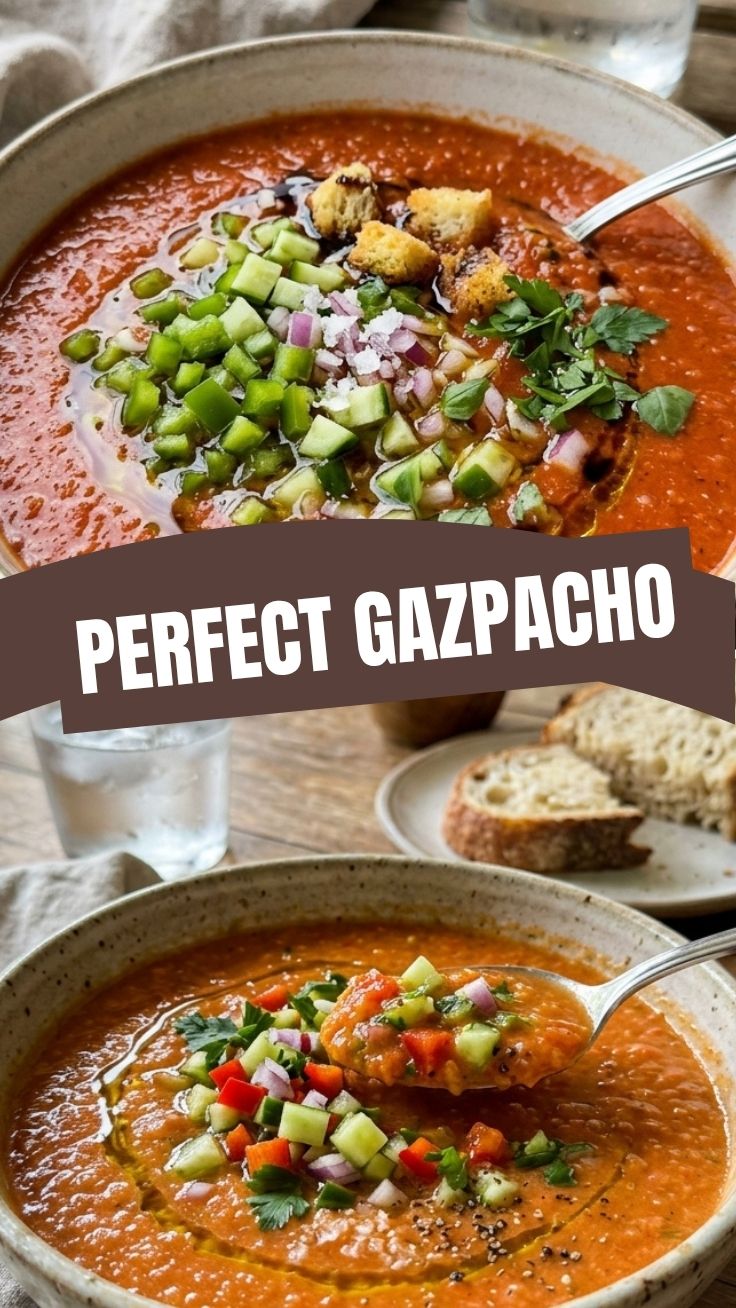
- Garnish (optional): Diced cucumber, bell pepper, croutons, a drizzle of olive oil, fresh herbs (e.g., basil).
Kitchen Tools:
- High-Speed Blender or Food Processor: Absolutely essential for achieving the silky-smooth texture.
- Large Bowl: For combining ingredients.
- Measuring Cups and Spoons: For accurate ingredient ratios.
- Sharp Knife and Cutting Board: For prepping vegetables.
- Fine-Mesh Sieve (optional but recommended): For an extra-smooth, restaurant-quality gazpacho.
Prep Time & Cooking Schedule
This Spanish recipe is a champion of minimal cooking and maximum flavor development through chilling.
- Prep Time: 20-25 minutes (chopping vegetables, soaking bread)
- Blend Time: 5-7 minutes
- Chilling Time: Minimum 2 hours, ideally 4-6 hours, or overnight. This resting time is crucial for the flavors to meld and deepen, transforming individual ingredient notes into a harmonious symphony.
- Total Time: 2 hours and 30 minutes (active plus minimum chill)
Plan to make your gazpacho several hours or even a day in advance. The longer it chills, the more pronounced and integrated the flavors become, creating a truly exceptional cold soup experience.
Step-by-Step Instructions
Embark on your journey to create the perfect Gazpacho (Classic) with these detailed steps:
1. Prepare the Vegetables: Wash and roughly chop the tomatoes, cucumber, green bell pepper, and red onion. Peel the garlic clove. The rougher the chop, the longer it might take to blend smoothly, but precision isn’t paramount at this stage.
2. Soak the Bread: Tear the slice of day-old bread into small pieces and place them in a small bowl. Cover with a minimal amount of cold water for 1-2 minutes until softened. Squeeze out excess water before adding to the blender. This bread is a secret to thickening the soup without adding cream.
3. Blend to Perfection: Transfer all the chopped vegetables, the squeezed bread, olive oil, red wine vinegar, salt, and pepper to your high-speed blender or food processor. Blend on high until completely smooth and creamy. This can take several minutes, depending on your blender’s power. Scrape down the sides as needed to ensure all ingredients are incorporated. For an authentic Spanish recipe, a truly smooth consistency is key.
4. Taste and Adjust: Once blended, taste the gazpacho. This is a crucial step! Adjust seasonings as needed:
* More Salt: If it tastes flat.
* More Vinegar: If it needs more tang or brightness.
* More Olive Oil: For richer flavor and smoother mouthfeel.
* Cold Water: If the consistency is too thick, add a tablespoon at a time until desired texture is reached.
5. Strain (Optional but Recommended): For an exceptionally smooth gazpacho, pass the blended mixture through a fine-mesh sieve into a large bowl, pressing the solids with the back of a spoon to extract all the liquid. Discard any remaining pulp. This step removes any tiny bits of skin or seeds, resulting in a silky texture.
6. Chill Thoroughly: Cover the bowl of gazpacho with plastic wrap and refrigerate for at least 2 hours, but preferably 4-6 hours or overnight. Chilling is not just about making it cold; it’s about allowing the flavors to marry and deepen, creating that signature gazpacho complexity.
7. Serve and Garnish: Before serving, give the gazpacho a good stir. Ladle into chilled bowls. Garnish with a drizzle of high-quality extra virgin olive oil, a sprinkle of finely diced fresh vegetables (cucumber, bell pepper), fresh croutons, or a few basil leaves.
Nutritional Benefits & Advantages
Our Gazpacho (Classic) is a nutritional powerhouse! It’s naturally gluten-free (if using GF bread), often vegan, and packed with vital nutrients. Tomatoes, the star ingredient, are rich in lycopene, a powerful antioxidant linked to heart health and cancer prevention. Cucumbers provide hydration and dietary fiber. Bell peppers are excellent sources of Vitamin C and antioxidants. The extra virgin olive oil contributes healthy monounsaturated fats, which are beneficial for cardiovascular health. This cold soup is also low in calories, making it a perfect, guilt-free choice for a light lunch or appetizer, promoting satiety and contributing to overall well-being.
Tips, Variations & Cooking Advice
- Flavor Boost: Roast a few tomatoes before blending for a smoky, deeper flavor profile. Do not roast all of them, as you want the fresh element to remain dominant.
- Spicy Kick: Add a small piece of jalapeño or a pinch of cayenne pepper during blending for a hint of heat.
- Herbaceous Notes: Incorporate a few fresh basil or mint leaves into the blend for an aromatic twist.
- Vegan Creaminess: For an ultra-creamy texture without dairy, add a quarter of a ripe avocado to the blender.
- Thicker Gazpacho: If you prefer a heartier gazpacho, increase the amount of bread or add a handful of peeled, blanched almonds (blended until smooth).
- Dietary Adaptations:
* Gluten-Free: Easily achieved by using gluten-free bread or omitting the bread entirely (though it will be thinner).
* Keto/Low-Carb: Omit the bread.
* Portion Control: Serve in small shot glasses as an elegant appetizer for a crowd.
Common Mistakes to Avoid
- Not Chilling Long Enough: The biggest mistake! Flavors need time to meld. A warm gazpacho tastes like chunky salsa, not sublime soup.
- Using Mealy or Unripe Tomatoes: Ripe, flavorful tomatoes are non-negotiable. They are the heart of the dish.
- Omitting Olive Oil: High-quality EVOO is essential for emulsification, richness, and mouthfeel. Don’t skimp.
- Over-Seasoning at First: It’s easier to add more salt or vinegar than to fix an overly seasoned batch. Always taste and adjust gradually.
- Not Straining (if you desire perfection): While optional, straining creates a remarkably smooth, restaurant-quality texture that elevates the experience.
Storage & Meal Prep Tips
Your homemade Gazpacho (Classic) is excellent for meal prepping!
- Refrigeration: Store leftover gazpacho in an airtight container in the refrigerator for up to 3-4 days. The flavors often improve on the second day.
- Freezing: While fresh is best, gazpacho can be frozen. Pour into freezer-safe containers or bags, leaving some headspace. It will keep for up to 2-3 months. Thaw overnight in the refrigerator. Note that the texture might be slightly less vibrant after thawing, but the flavor will still be delicious.
- Meal Prep Idea: Prepare a large batch at the beginning of the week for quick, healthy lunches or refreshing appetizers throughout. Keep garnishes separate until serving.
Conclusion
There you have it – the definitive guide to crafting a truly exceptional Gazpacho (Classic) right in your own kitchen. This vibrant, flavourful Spanish recipe isn’t just a cold soup; it’s a celebration of fresh, seasonal ingredients and the simple elegance of Mediterranean cuisine. By following these steps and embracing the magic of proper chilling, you’ll create a dish that’s both deeply refreshing and incredibly satisfying. We encourage you to try this recipe, experiment with the variations, and share your delicious results with us! What are your favorite gazpacho garnishes? Let us know in the comments below!
FAQs
Q1: Can I make gazpacho without bread?
A1: Yes, you can omit the bread for a gluten-free or keto version. However, the soup will be thinner. To compensate, you can add a quarter of an avocado or a handful of blanched almonds for creaminess, or simply embrace a lighter texture.
Q2: What’s the best type of tomato for gazpacho?
A2: Ripe, flavorful tomatoes are key. Roma, beefsteak, or even heirloom varieties work wonderfully. Avoid under-ripe or mealy tomatoes as they won’t provide the necessary sweetness and depth.
Q3: My gazpacho tastes bland. How can I fix it?
A3: The most common fix is more salt and red wine vinegar. Taste and adjust incrementally. A touch more high-quality olive oil can also enhance flavor and mouthfeel. Ensure it also had enough chilling time for flavors to meld.
Q4: How long does gazpacho last in the fridge?
A4: Stored in an airtight container, homemade gazpacho will last for 3-4 days in the refrigerator. The flavors often deepen and improve on the second day.
Q5: Can I use a food processor instead of a high-speed blender?
A5: Yes, a food processor can work, but you’ll likely need to process for a longer duration to achieve a truly smooth consistency. If your food processor struggles, you might need to blend in smaller batches and then combine.