Skip the Takeout: Master the Art of Fried Rice (Classic) at Home
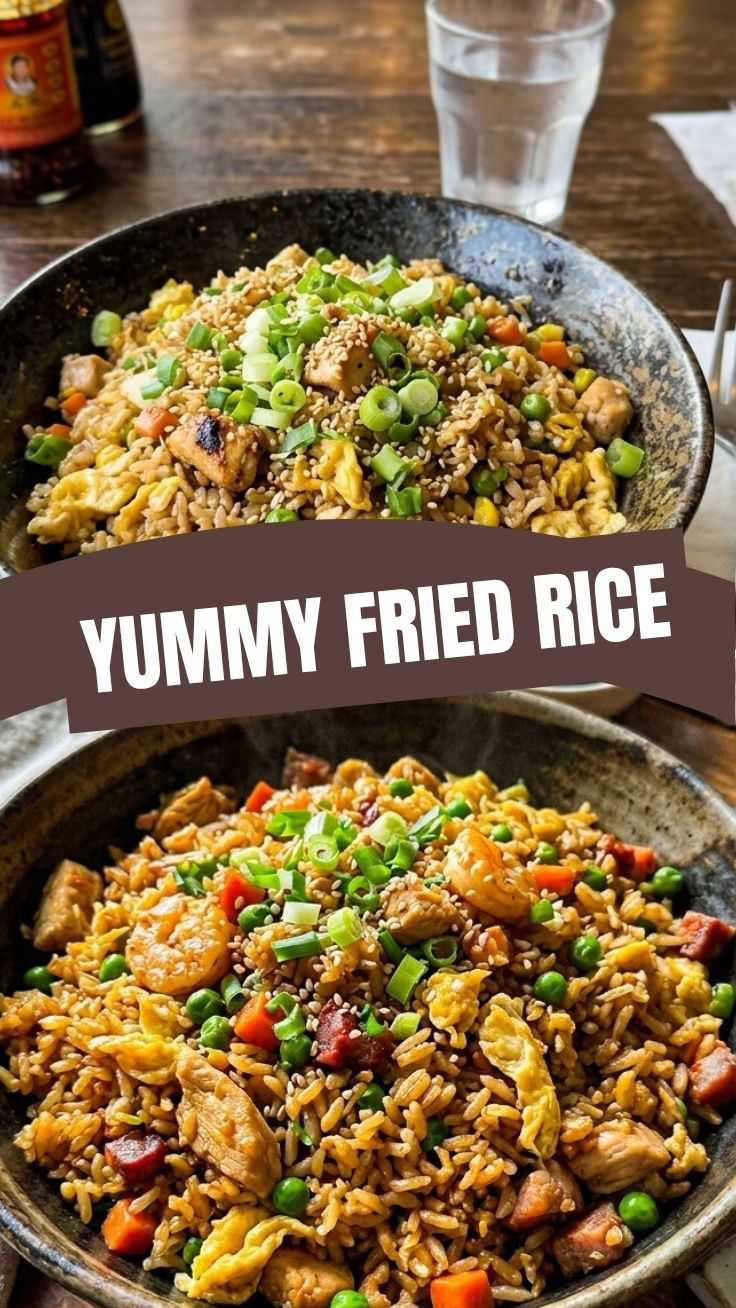
Are you tired of bland, greasy takeout that never quite hits the spot? Imagine a homemade dish that rivals your favorite restaurant, bursting with fresh flavors and perfectly cooked grains. Learning to make Homemade Fried Rice isn’t just about saving money; it’s about unlocking a culinary skill that brings joy and deliciousness to your kitchen. This blog post will guide you through crafting the ultimate Fried Rice (Classic), transforming simple ingredients into a masterpiece. Forget those limp veggies and unevenly cooked rice; we’re about to embark on a journey to create wonderfully textured, flavorful Homemade Fried Rice that will impress even the most discerning palates.
Ingredients & Kitchen Tools
Crafting the perfect fried rice requires a thoughtful selection of ingredients and the right tools. Here’s what you’ll need:
- Cooked and Chilled Rice (3 cups): Day-old, refrigerated rice is crucial for preventing mushiness. Use long-grain white rice for the best texture.
- Eggs (2 large): For a fluffy, protein-rich addition.
- Sesame Oil (1 tablespoon): Adds an authentic nutty aroma and flavor.
- Vegetable Oil (2 tablespoons): High smoke point for stir-frying. Can substitute with canola or peanut oil.
- Garlic (3 cloves, minced): Essential aromatic base.
- Ginger (1 tablespoon, grated): Adds a pungent, zesty kick.
- Onion (1 small, diced): Provides fundamental flavor and sweetness.
- Carrots (1/2 cup, finely diced): For color, sweetness, and a slight crunch.
- Peas (1/2 cup, frozen): A classic addition, adding sweetness and pop.
- Soy Sauce (3 tablespoons, low-sodium): The primary seasoning, providing umami and saltiness. Adjust to taste.
- Oyster Sauce (1 tablespoon, optional): Enhances umami and adds a subtle sweetness and depth. (Skip for vegetarian/vegan options).
- White Pepper (1/2 teaspoon): A traditional seasoning for authentic flavor.
- Green Onions (2 stalks, chopped): For garnish and a fresh, mild oniony bite.
- Protein (1 cup, cooked and diced, e.g., chicken, shrimp, tofu – optional): Boosts the meal’s protein content and heartiness.
Kitchen Tools:
- Large Wok or Large Non-Stick Skillet: High heat and wide surface are key for proper stir-frying.
- Spatula (preferably a stir-fry spatula): For efficient tossing and stirring.
- Measuring Cups and Spoons: For accurate ingredient proportions.
- Knife and Cutting Board: For precise chopping.
Prep Time & Cooking Schedule
- Prep Time: 15-20 minutes (assuming rice is already cooked and chilled).
- Cook Time: 10-15 minutes
- Total Time: Approximately 25-35 minutes
The key to successful stir-frying is mise en place – having all your ingredients prepped and ready to go before you even turn on the heat. That’s why the bulk of your time will be spent on ingredient preparation. Once everything is chopped, measured, and within reach, the cooking process itself is incredibly fast, demanding constant attention. Make sure your rice has been cooked and chilled beforehand (ideally overnight) to achieve that perfect non-sticky, separate grain texture.
Step-by-Step Instructions
1. Prepare the Eggs: In a small bowl, whisk the eggs. Heat 1 teaspoon of vegetable oil in your wok or skillet over medium-high heat. Pour in the eggs and scramble until just set, then remove and set aside.
2. Sauté Aromatics: Add the remaining vegetable oil to the wok. Once shimmering, add the minced garlic, grated ginger, and diced onion. Stir-fry for 1-2 minutes until fragrant and softened.
3. Cook Vegetables: Add the finely diced carrots to the wok and stir-fry for 2-3 minutes until slightly tender-crisp. Then, add the frozen peas and cook for another 1-2 minutes. If using, add your pre-cooked protein at this stage and toss to heat through.
4. Add the Rice: Introduce the cold, day-old rice to the wok. Using your spatula, break up any clumps. Stir-fry vigorously for 3-5 minutes, ensuring every grain is coated in oil and thoroughly heated. The rice should start to “dance” in the wok. This is crucial for achieving an authentic Fried Rice (Classic).
5. Season and Combine: Push the rice and vegetables to one side of the wok. Add the soy sauce, oyster sauce (if using), and white pepper directly into the cleared space. Let it bubble for a few seconds to intensify the flavor, then quickly toss all ingredients together, ensuring even distribution.
6. Incorporate Eggs and Finish: Return the scrambled eggs to the wok and gently fold them into the rice mixture. Stir-fry for another 1-2 minutes until everything is well combined and heated through. Taste and adjust seasonings if necessary.
7. Serve: Garnish generously with chopped green onions. Your delicious Homemade Fried Rice is ready to be devoured!
Nutritional Benefits & Advantages
Beyond its incredible taste, this dish offers several nutritional perks. Rice provides quick energy, while the added vegetables (carrots, peas, onions) contribute essential vitamins (like Vitamin A from carrots) and dietary fiber, supporting digestive health. Eggs and optional protein sources make it a complete meal, rich in high-quality protein necessary for muscle repair and satiety. Furthermore, by making it yourself, you control the amount of oil and sodium, allowing for a much healthier alternative to many restaurant versions, which are often laden with excessive fats and preservatives.
Tips, Variations & Cooking Advice
- Perfect Rice is Key: Always use cold, day-old rice. Freshly cooked, warm rice will clump and become mushy.
- High Heat is Your Friend: Stir-frying requires high heat to achieve that signature “wok hei” smoky flavor and prevent steaming. Don’t overcrowd the wok; cook in batches if necessary.
- Flavor Boosts: A dash of rice vinegar or a squeeze of lime juice at the end can brighten the flavors. For a spicy kick, add a pinch of chili flakes or a swirl of Sriracha.
- Vegetarian/Vegan: Omit the oyster sauce, use a plant-based soy sauce, and substitute eggs with scrambled tofu for a delicious plant-based version. Load up on extra vegetables like bell peppers, mushrooms, or snap peas.
- Protein Alternatives: Explore different proteins such as firm tofu, tempeh, beef, pork, or even char siu (Chinese BBQ pork) for varied textures and flavors.
- Seafood Fried Rice: Add cooked shrimp or scallops for a delightful seafood twist. Add them in the last few minutes of cooking to avoid overcooking.
Common Mistakes to Avoid
- Using Warm/Fresh Rice: Leads to mushy, clumpy fried rice. Always chill your cooked rice for at least 6-8 hours, or ideally overnight.
- Overcrowding the Wok: Lowers the temperature, steams the ingredients instead of stir-frying them, and results in soggy food. Cook in batches if your wok isn’t large enough.
- Not Enough Oil: Can cause ingredients to stick and burn.
- Too Much Liquid: Adding too much soy sauce too early or using sauces that are too thin can make the rice wet and prevent it from crisping up.
- Under-Seasoning or Over-Seasoning: Taste as you go! It’s easier to add more seasoning than to fix an overly salty dish.
Storage & Meal Prep Tips
Leftover Fried Rice (Classic) can be stored in an airtight container in the refrigerator for up to 3-4 days. For best results, allow it to cool completely before refrigerating. To reheat, gently warm in a skillet over medium heat, adding a splash of water or oil if it seems dry, until heated through. Individual portions can also be frozen for up to 1 month. Thaw in the refrigerator overnight and reheat as directed. This dish is fantastic for meal prep, offering a quick and satisfying lunch or dinner throughout the week.
Conclusion
Mastering the art of Fried Rice (Classic) at home is a rewarding culinary journey that promises delicious results every time. By following these detailed steps and incorporating our expert tips, you can consistently create a dish that rivals your favorite takeout, offering a burst of flavor, satisfying texture, and the wholesome goodness of a Homemade Fried Rice. Don’t be shy – dive into your kitchen, embrace the warmth of a sizzling wok, and share your masterpiece with us! What are your favorite additions to this classic?
FAQs
Q1: Can I use brown rice for fried rice?
A1: Yes, you can! Brown rice will give a nuttier flavor and chewier texture. Ensure it’s cooked and chilled thoroughly, just like white rice, to prevent stickiness.
Q2: What is the best way to get crispy fried rice?
A2: Use cold, day-old rice, ensure your wok is very hot, avoid overcrowding, and stir-fry vigorously, allowing some grains to slightly crisp against the hot surface.
Q3: Can I add different vegetables?
A3: Absolutely! Feel free to customize with broccoli florets, bell peppers, corn, mushrooms, or green beans. Add denser vegetables earlier to ensure they cook through.
Q4: Is oyster sauce necessary?
A4: While not strictly necessary, oyster sauce adds a wonderful depth of umami and a subtle sweetness that truly elevates the flavor of authentic fried rice. You can omit it for vegetarian/vegan diets or replace it with a mushroom-based vegetarian oyster sauce.
Q5: How can I make my fried rice less oily?
A5: Use precise measurements of oil and ensure your wok is hot enough so ingredients don’t absorb excessive oil. You can also blot cooked ingredients with a paper towel before adding them to the rice, if needed.