Unlocking the Secret to the Best Homemade Tomato Sauce: A Culinary Journey
Ever wondered what makes restaurant-quality pasta dishes sing? Often, it’s the foundation: a vibrant, flavorful tomato sauce. While jarred options abound, nothing compares to the depth and freshness of a homemade version. Embracing the art of crafting your own sauce isn’t just about saving money; it’s about control over ingredients, personalized flavor profiles, and the sheer joy of transforming simple produce into a culinary masterpiece. Today, we’re diving deep into creating the perfect Fresh Tomato Sauce (Summer), a versatile staple that truly elevates any meal. This journey will not only empower you with a fantastic recipe but also equip you with the knowledge to create other delicious Seasonal Tomato Sauce Recipes throughout the year.
Ingredients & Kitchen Tools
Gathering your mise en place is the first step to culinary success. Here’s what you’ll need:
- Ripe Tomatoes (3 lbs, preferably San Marzano or Romas): The star of the show. San Marzanos offer a sweet, low-acid profile, while Romas are meaty with fewer seeds, perfect for sauce.
- Garlic (4-6 cloves, minced): Adds aromatic depth and a pungent kick. Adjust to your garlic preference.
- Yellow Onion (1 medium, finely diced): Provides a sweet base and aromatic foundation.
- Fresh Basil (1/2 cup, roughly chopped): Essential for that classic Italian flavor, adding a peppery, sweet note.
- Olive Oil (3 tablespoons, extra virgin): The fat that carries flavors and prevents sticking.
- Salt (1-2 teaspoons, kosher or sea): Enhances all other flavors. Adjust to taste.
- Black Pepper (1/2 teaspoon, freshly ground): Adds a touch of warmth and spice.
- Sugar (1/2 teaspoon, optional): Balances acidity, especially if your tomatoes are a little tart.
- Red Pepper Flakes (1/4 teaspoon, optional): For a subtle kick of heat.
Kitchen Tools:
- Large Pot or Dutch Oven (5-6 quart): Ideal for simmering and allowing flavors to meld.
- Cutting Board and Sharp Knife: For efficient and safe ingredient preparation.
- Wooden Spoon or Spatula: For stirring and scraping the bottom of the pot.
- Immersion Blender or Food Processor (optional): For a smoother sauce, or a potato masher for a chunkier texture.
- Measuring Spoons and Cups: For accurate ingredient portions.
Prep Time & Cooking Schedule
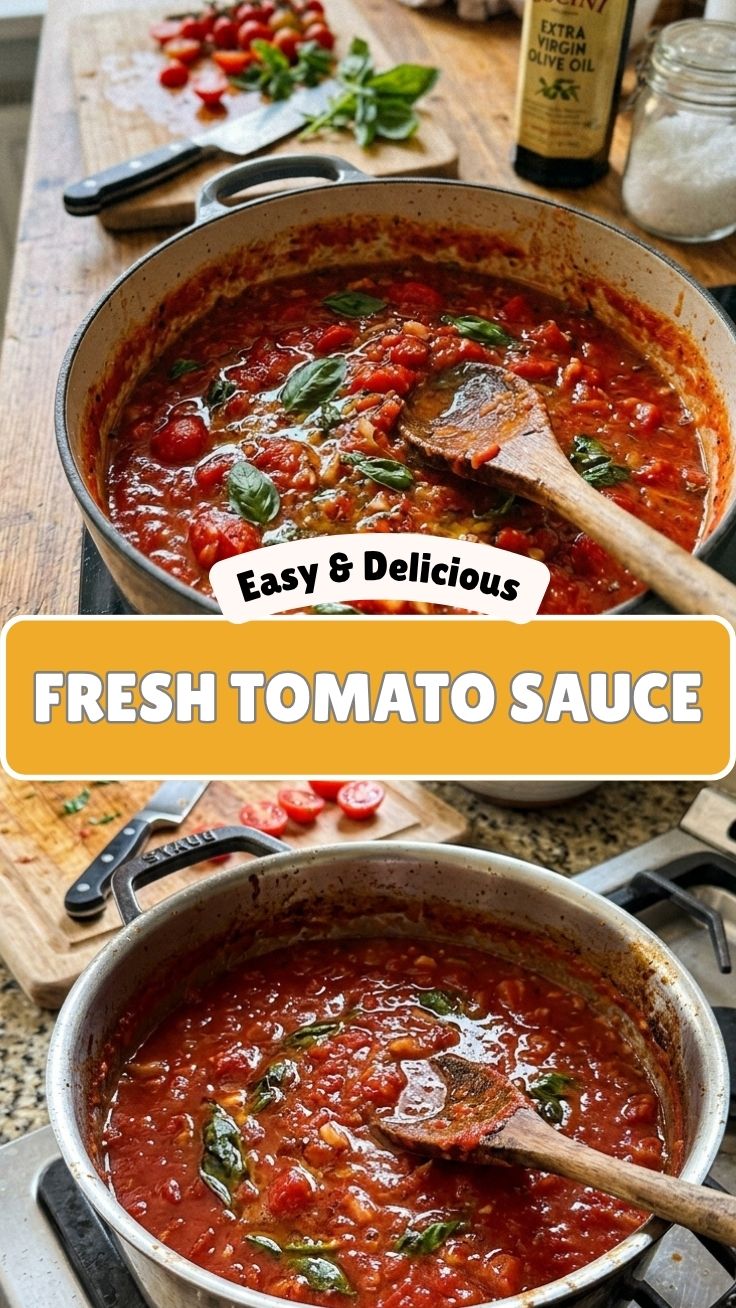
- Prep Time: 20 minutes (includes washing, chopping, and peeling tomatoes if desired).
- Cook Time: 60-90 minutes (simmering time for flavors to develop).
- Total Time: Approximately 1 hour 20 minutes to 1 hour 50 minutes.
This schedule allows for a leisurely cooking process, ensuring the tomatoes break down beautifully and the flavors deepen. Planning ahead means you can start the sauce while preparing other components of your meal.
Step-by-Step Instructions
1. Prepare the Tomatoes: Wash and core your tomatoes. For a smoother sauce, you can blanch and peel them, or simply quarter them for a rustic sauce. If peeling, make an “X” incision on the bottom of each tomato, blanch in boiling water for 30-60 seconds, then immediately transfer to an ice bath. The skins will slip off easily.
2. Sauté Aromatics: In your large pot or Dutch oven, heat the olive oil over medium heat. Add the diced onion and cook, stirring occasionally, until softened and translucent, about 5-7 minutes. Add the minced garlic and red pepper flakes (if using) and cook for another 1-2 minutes until fragrant, being careful not to burn the garlic.
3. Add Tomatoes and Simmer: Add the prepared tomatoes to the pot. Stir well to combine with the aromatics. Bring the mixture to a gentle simmer, then reduce the heat to low, cover, and let it cook for at least 60 minutes, or up to 90 minutes. Stir occasionally, breaking down the tomatoes with your spoon as they soften. This slow simmer is crucial for developing the rich, deep flavors of your Fresh Tomato Sauce (Summer).
4. Season and Finish: Once the tomatoes have broken down and the sauce has thickened to your desired consistency, remove it from the heat. If you prefer a smoother sauce, use an immersion blender to purée it directly in the pot, or transfer it in batches to a food processor. Alternatively, a potato masher will yield a chunkier sauce. Stir in the fresh basil, salt, pepper, and optional sugar. Taste and adjust seasonings as needed. This base can be adapted for numerous Seasonal Tomato Sauce Recipes, from spicy arrabbiata to creamy vodka sauce.
Nutritional Benefits & Advantages
Homemade tomato sauce is a powerhouse of nutrients. Tomatoes are rich in lycopene, a powerful antioxidant linked to reduced risk of heart disease and certain cancers, with absorption increased by cooking with a little fat like olive oil. They also provide significant amounts of Vitamin C, Potassium, and Vitamin K. When you make your own sauce, you avoid the added sugars, excessive sodium, and preservatives often found in store-bought versions, making it a healthier choice for you and your family.
Tips, Variations & Cooking Advice
- Flavor Boost: For an extra layer of umami, add a tablespoon of tomato paste when sautéing the aromatics.
- Herb Variations: Experiment with other fresh herbs like oregano, thyme, or marjoram for different flavor profiles.
- Spicy Kick: Increase the red pepper flakes for a hotter sauce.
- Creamy Sauce: Stir in a dollop of heavy cream, mascarpone, or even a swirl of nut milk at the end for a richer, creamier texture.
- Roasted Tomatoes: For an intensely sweet and smoky flavor, roast your tomatoes in the oven with olive oil, salt, and pepper before adding them to the pot.
- Portion Control: Make a larger batch and freeze portions for quick meals later.
Common Mistakes to Avoid
- Under-Simmering: Rushing the simmer time won’t allow the flavors to fully develop, resulting in a thin, watery, and less flavorful sauce.
- Over-Salting Early: It’s easier to add salt than to remove it. Season gradually and taste often.
- Burning Garlic: Garlic burns quickly and becomes bitter. Keep an eye on it and adjust heat as needed.
- Using Under-Ripe Tomatoes: Using unripe tomatoes will result in a tart, acidic sauce. Always choose ripe, juicy tomatoes for the best flavor.
Storage & Meal Prep Tips
Your homemade tomato sauce is perfect for meal prep!
- Refrigeration: Store in an airtight container for up to 5-7 days.
- Freezing: This sauce freezes beautifully. Allow it to cool completely, then transfer to freezer-safe containers or bags. It can be frozen for up to 3-4 months. Thaw in the refrigerator overnight or gently reheat from frozen on the stovetop.
- Reheating: Reheat gently on the stovetop over low heat, stirring occasionally, until warmed through. Add a splash of water or broth if it’s too thick.
Conclusion
There’s truly nothing quite like the taste of homemade tomato sauce. By following this guide, you’ve not only mastered the art of creating a delicious Fresh Tomato Sauce (Summer) but also gained the foundational knowledge to explore a world of Seasonal Tomato Sauce Recipes. This recipe is more than just ingredients; it’s an invitation to savor fresh flavors, customize to your heart’s content, and nourish your body with wholesome goodness. We encourage you to try this recipe, experiment with your own variations, and share your culinary creations with us!
FAQs
Q1: Can I use canned tomatoes instead of fresh?
A1: Yes, absolutely! When fresh, ripe tomatoes aren’t in season, high-quality canned San Marzano crushed tomatoes are an excellent substitute. Use 2 (28-ounce) cans and proceed with the recipe.
Q2: How can I make my sauce less acidic?
A2: Ensure you’re using ripe tomatoes. If it’s still too acidic, a pinch or half-teaspoon of sugar (as suggested in the recipe) can help balance the flavor without making the sauce sweet.
Q3: What dishes can I use this sauce with?
A3: This versatile sauce is perfect for pasta, pizza, chicken or eggplant parmesan, meatballs, lasagna, or as a base for stews and chilis.
Q4: Can I add vegetables to the sauce?
A4: Yes! Sautéing finely diced carrots or bell peppers with the onion and garlic adds extra nutrition and depth of flavor.
Q5: My sauce is too thin/thick. How can I fix it?
A5: If it’s too thin, continue to simmer it uncovered to allow more liquid to evaporate. If it’s too thick, add a splash of water, vegetable broth, or even red wine until it reaches your desired consistency.