Craving Restaurant-Quality Chicken Piccata at Home? Here’s How!
Have you ever savored that bright, tangy, and utterly satisfying taste of perfectly prepared Chicken Piccata and wished you could recreate it in your own kitchen? Well, you’re in luck! Mastering this classic dish, a cornerstone of delightful Italian recipes, is far simpler than you might imagine. In this comprehensive guide, we’ll walk you through crafting a truly exceptional Chicken Piccata, a dish that will impress your dinner guests and delight your family. Preparing a culinary masterpiece like this at home not only saves you money but also allows for complete control over ingredients, ensuring a fresh, wholesome, and personalized dining experience.
—
Ingredients & Kitchen Tools
To embark on your culinary adventure, gather these essential items:
- Boneless, Skinless Chicken Breasts (4, about 6 oz each): Opt for organic or free-range for best flavor and texture. Can be substituted with chicken thighs for a richer taste.
- All-Purpose Flour (1/2 cup): For dredging the chicken, creating a delicate crust. Gluten-free flour can be used for a GF option.
- Salt (1 tsp) & Black Pepper (1/2 tsp): To season the flour and chicken. Adjust to personal preference.
- Olive Oil (2 tbsp): For pan-frying, adds a lovely depth of flavor. A light, neutral oil like avocado oil can be used.
- Unsalted Butter (3 tbsp): To enrich the sauce and add a silky finish. Vegan butter substitutes work well.
- Garlic (2 cloves, minced): Fresh is always best for an aromatic kick.
- Dry White Wine (1/2 cup): Such as Pinot Grigio or Sauvignon Blanc, deglazes the pan and builds flavor. Chicken broth can be substituted for an alcohol-free version.
- Chicken Broth (1/2 cup): Adds savory depth to the sauce. Low-sodium is recommended to control salt levels.
- Fresh Lemon Juice (1/4 cup): The star of piccata, providing its signature tang. Freshly squeezed is non-negotiable!
- Capérs (2 tbsp, drained): Adds a briny, salty pop. Rinse them if you prefer less salt.
- Fresh Parsley (1/4 cup, chopped): For garnish and a touch of fresh, herbaceous flavor.
- Cooking Tongs: For flipping and handling the chicken.
- Large Skillet/Frying Pan: Preferably stainless steel or cast iron, for even cooking.
- Shallow Dish/Plate: For dredging the chicken.
- Whisk: For making the sauce.
- Measuring Cups & Spoons: For accurate ingredient quantities.
—
Prep Time & Cooking Schedule
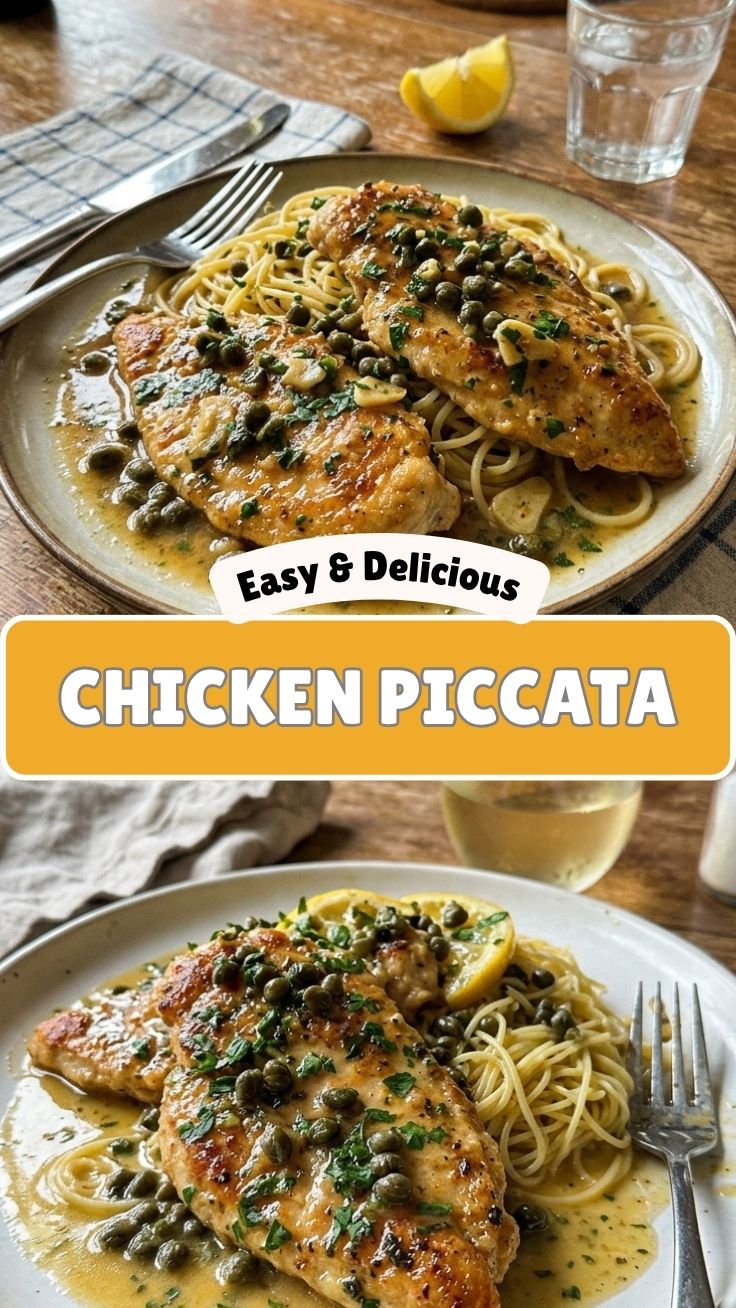
This delightful dish comes together quicker than you think, making it perfect for a weeknight meal or a special occasion.
- Prep Time: 15 minutes (includes pounding the chicken, gathering ingredients)
- Cook Time: 20-25 minutes (actual cooking of chicken and sauce)
- Total Time: Approximately 35-40 minutes
To plan your meal effectively, begin by prepping all your ingredients (“mise en place”). Pound the chicken, measure out liquids, mince garlic, and chop parsley. This ensures a smooth and stress-free cooking process, as the actual cooking time is relatively short. Feel free to prepare a side dish like pasta or steamed vegetables during the chicken’s cooking time.
—
Step-by-Step Instructions
1. Prepare the Chicken: Place each chicken breast between two sheets of plastic wrap. Using a meat mallet or rolling pin, pound them to an even 1/2-inch thickness. This ensures even cooking and tender results.
2. Dredge the Chicken: In a shallow dish, combine the flour, salt, and pepper. Dredge each chicken breast, ensuring it’s evenly coated, then shake off any excess flour.
3. Sear the Chicken: Heat 1 tablespoon of olive oil in a large skillet over medium-high heat until shimmering. Add two chicken breasts to the pan (don’t overcrowd) and cook for 3-4 minutes per side, or until golden brown and cooked through (internal temperature of 165°F/74°C). Remove to a plate and repeat with the remaining olive oil and chicken.
4. Build the Sauce: Reduce heat to medium. Add 1 tablespoon of butter to the same skillet. Add minced garlic and sauté for 30 seconds until fragrant. Pour in the white wine, scraping up any browned bits from the bottom of the pan – this is where much of the flavor lies! Simmer for 1-2 minutes until slightly reduced.
5. Finish the Sauce: Stir in the chicken broth, fresh lemon juice, and capers. Bring to a gentle simmer and cook for 2-3 minutes, allowing the flavors to meld and the sauce to thicken slightly. Swirl in the remaining 2 tablespoons of butter until melted and incorporated, creating a rich and glossy sauce. Taste and adjust seasoning with salt and pepper if needed. This vibrant sauce is what truly defines a spectacular Chicken Piccata, and its bright, tangy notes are a hallmark of many beloved Italian recipes.
6. Serve: Return the cooked chicken to the skillet, spooning the sauce over each piece. Garnish generously with fresh chopped parsley. Serve immediately with your favorite sides.
—
Nutritional Benefits & Advantages
Chicken Piccata, when prepared with fresh ingredients, offers several nutritional advantages. Chicken breast is an excellent source of lean protein, essential for muscle repair and growth. Lemons provide a boost of Vitamin C, an important antioxidant, while capers add flavor without significant calories. Opting for olive oil over heavier fats contributes heart-healthy monounsaturated fats. This dish is naturally low in saturated fat (depending on butter use) and can be part of a balanced diet.
—
Tips, Variations & Cooking Advice
- Spice it up: Add a pinch of red pepper flakes to the sauce for a subtle heat.
- Herbaceous Twist: Incorporate other fresh herbs like thyme or oregano for different aromatic profiles.
- Vegetable Boost: Sauté some mushrooms or asparagus in the pan after the chicken and add them to the sauce for extra veggies.
- Creamy Piccata: Stir in a tablespoon or two of heavy cream at the end of the sauce-making for a richer, creamier texture.
- Gluten-Free: Use gluten-free all-purpose flour for dredging and ensure your chicken broth is GF certified.
- Dairy-Free: Substitute regular butter with a good quality vegan butter alternative.
- Pounding the Chicken: Don’t skip this step! It tenderizes the meat and ensures even cooking.
- Don’t Overcook: Chicken breasts can dry out quickly. Use a meat thermometer to ensure they reach 165°F (74°C) and no more.
—
Common Mistakes to Avoid
- Overcrowding the Pan: This lowers the pan’s temperature, steaming the chicken instead of searing it, leading to less browning and a tougher texture. Cook in batches if necessary.
- Skipping the Pounding: Unevenly thick chicken will cook inconsistently, with some parts dry and others undercooked.
- Not Scrapping the Pan: Those browned bits (fond) from the chicken are packed with flavor. Deglazing the pan with wine or broth is crucial for a flavorful sauce.
- Too Much Flour: Excess flour can make the sauce thick and pasty. Shake off any excess after dredging.
- Using Bottled Lemon Juice: Fresh lemon juice makes an immense difference in taste. Bottled versions often lack the bright, nuanced flavor of fresh.
—
Storage & Meal Prep Tips
Chicken Piccata can be a fantastic meal prep option! Store leftovers in an airtight container in the refrigerator for up to 3-4 days. For optimal freshness, separate the chicken from the sauce if possible, but it will still be delicious stored together.
- Reheating: Gently reheat on the stovetop over medium-low heat, adding a splash of chicken broth or water if the sauce appears too thick. Avoid high heat, which can dry out the chicken. Microwave reheating is also possible but can sometimes change the texture of the chicken.
- Freezing: While possible, the texture of the chicken can become slightly mealy after freezing and thawing. If you choose to freeze, store the chicken and sauce separately in airtight freezer-safe containers for up to 2-3 months. Thaw overnight in the refrigerator before reheating.
—
Conclusion
There you have it – a perfectly achievable, restaurant-quality Chicken Piccata right in your own kitchen! We hope this detailed guide empowers you to conquer this beloved dish, a true gem among classic Italian recipes. The combination of tender chicken, a bright lemon-caper sauce, and minimal cooking time makes it an ideal choice for both busy weeknights and special occasions. Give it a try, experiment with the variations, and don’t forget to share your culinary triumphs with us in the comments below! Happy cooking!
—
FAQs
Q1: Can I use chicken thighs instead of breasts?
A1: Absolutely! Chicken thighs are a great alternative, offering a richer flavor and often staying more moist. Adjust cooking time slightly as thighs might take a bit longer to cook through.
Q2: What can I substitute for white wine?
A2: For an alcohol-free version, a good quality chicken broth is the best substitute. White grape juice can also be used, but you might want to reduce the amount of lemon juice to balance the sweetness.
Q3: My sauce isn’t thickening. What should I do?
A3: Ensure you’ve simmered it for a few minutes. If it’s still too thin, you can create a cornstarch slurry (1 tsp cornstarch mixed with 1 tsp cold water) and whisk it gradually into the simmering sauce until it reaches your desired consistency.
Q4: How can I make this dish spicier?
A4: Add a pinch of red pepper flakes along with the garlic for a subtle heat. For more intensity, you can add more flakes or a dash of your favorite hot sauce to the pan.
Q5: What are the best side dishes to serve with Chicken Piccata?
A5: Classic pairings include pasta (angel hair or linguine are popular), rice, mashed potatoes, or roasted vegetables like asparagus or green beans. A simple green salad also makes a refreshing counterpoint.