Master the Art of Homemade Chicken Curry: A Culinary Journey
Tired of ordering takeout when you crave that rich, aromatic Indian or Caribbean flavor? Imagine a dish so vibrant, so utterly satisfying, that it transports your taste buds to distant shores with every spoonful. Preparing a delicious Chicken Curry at home is not just about saving money; it’s about infusing your kitchen with incredible aromas, controlling the quality of your ingredients, and mastering a culinary art form that will impress family and friends. This comprehensive guide will walk you through every step to create an unforgettable, flavorful meal, proving that a truly authentic and delicious easy chicken curry recipe is well within your reach.
Ingredients & Kitchen Tools
To embark on this flavorful journey, gather the following:
Ingredients:
- 1.5 lbs boneless, skinless chicken thighs or breasts: (About 3-4 pieces) Cut into 1-inch cubes for even cooking and tender texture.
- 2 tbsp olive oil or ghee: (Healthy fat) For sautéing, adds a rich, nutty flavor, especially ghee.
- 1 large onion: (Aromatic base) Finely chopped, provides sweetness and depth.
- 3 cloves garlic: (Pungent flavor) Minced, essential aromatic for many cuisines.
- 1-inch piece fresh ginger: (Zingy, warming spice) Grated or minced, adds a unique freshness.
- 1 can (14.5 oz) diced tomatoes: (Acidity and body) Undrained, provides a tangy base and liquid.
- 1 can (13.5 oz) full-fat coconut milk: (Creaminess and richness) Use full-fat for best flavor and texture.
- 2-3 tbsp curry powder: (The heart of the dish) Adjust to your preferred spice level and brand (e.g., Madras, Jamaican).
- 1 tsp ground cumin: (Earthy aroma) Enhances the savory notes.
- 1/2 tsp ground turmeric: (Color and earthy flavor) Also boasts anti-inflammatory properties.
- 1/4 tsp cayenne pepper: (Heat) Optional, adjust based on desired spice.
- Salt and black pepper to taste: (Seasoning) Essential for balancing flavors.
- Fresh cilantro: (Garnish) Chopped, for a burst of freshness and color.
- Optional: 1 cup chopped bell peppers (any color): (Sweetness and crunch) Adds extra vegetables and vibrant color.
- Optional: 1 cup chopped potatoes: (Heartiness) Adds bulk and soaks up the sauce beautifully.
Kitchen Tools:
- Large skillet or Dutch oven: (Main cooking vessel) Ensures even heat distribution and ample space.
- Sharp chef’s knife: (Precision cutting) For dicing chicken and vegetables.
- Cutting board: (Safe prep surface) Protects countertops.
- Measuring spoons and cups: (Accuracy) For precise ingredient amounts.
- Grater: (For ginger) Makes quick work of preparing fresh ginger.
- Spatula or wooden spoon: (Stirring) For sautéing and mixing.
Prep Time & Cooking Schedule
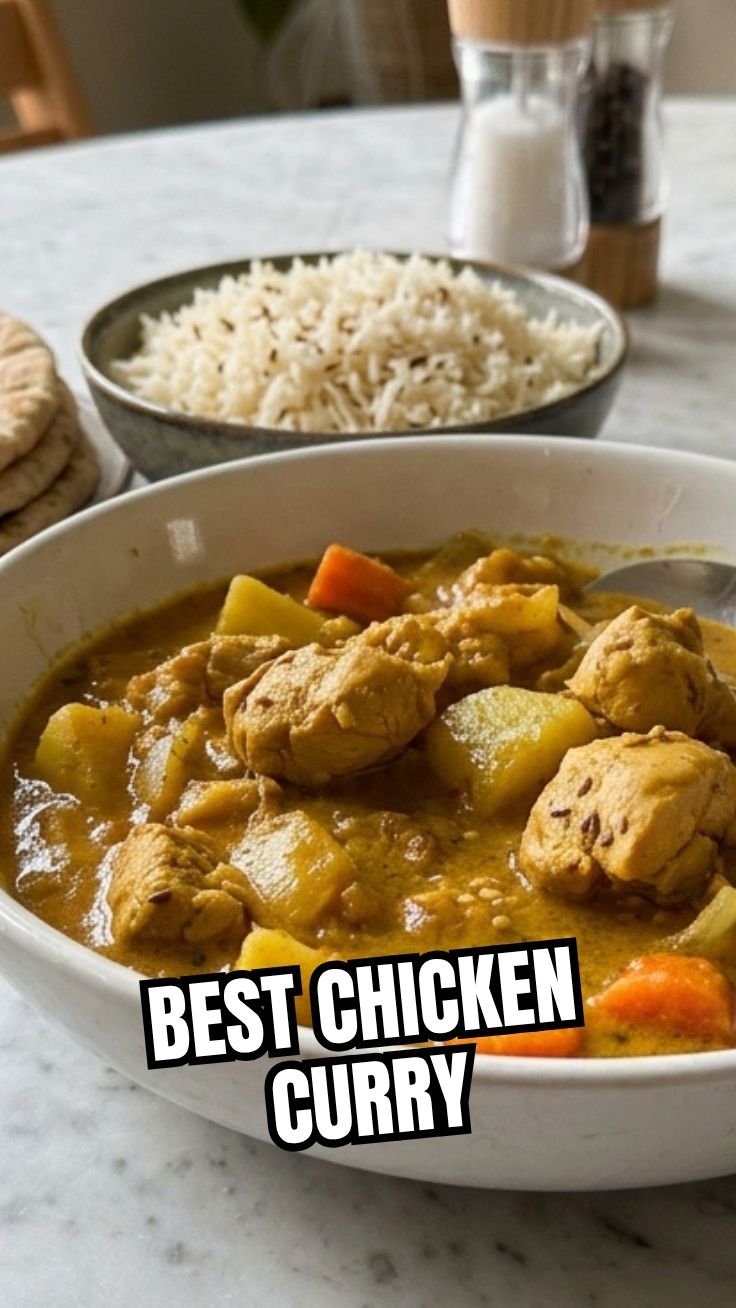
- Prep Time: 20 minutes (chopping chicken and vegetables).
- Cook Time: 30-35 minutes (simmering until chicken is cooked through and flavors meld).
- Marinating Time (Optional): 30 minutes to 2 hours. Marinating the chicken with a tablespoon of curry powder, turmeric, salt, and a squeeze of lime juice can deepen the flavor profile and tenderize the meat, though it’s not strictly necessary for a delicious outcome. Plan your cooking accordingly to allow for this optional step.
Step-by-Step Instructions
1. Prepare the Chicken: Pat the chicken cubes dry with paper towels. Season lightly with salt and pepper.
2. Sauté Aromatics: Heat the olive oil or ghee in your large skillet or Dutch oven over medium heat. Add the chopped onion and cook until softened and translucent, about 5-7 minutes. Add the minced garlic and grated ginger, cooking for another minute until fragrant, being careful not to burn the garlic.
3. Brown the Chicken: Increase heat to medium-high. Add the chicken to the skillet, browning it on all sides for about 5-7 minutes. This step seals in juices and adds depth of flavor.
4. Add Spices: Reduce heat to medium. Stir in the curry powder, ground cumin, and turmeric. If using, add cayenne pepper. Cook for 1-2 minutes, stirring constantly, to toast the spices and release their aromas. This foundational step is crucial for developing the rich taste of your Chicken Curry.
5. Simmer the Sauce: Pour in the diced tomatoes (undrained) and coconut milk. If using, add bell peppers and potatoes now. Bring the mixture to a gentle simmer, then reduce heat to low, cover, and let it cook for 15-20 minutes, or until the chicken is cooked through and tender. If making an easy chicken curry recipe, ensure the sauce thickens to your desired consistency.
6. Adjust Seasoning: Taste the curry and adjust salt, pepper, and spice levels as needed. A pinch of sugar can balance the acidity of tomatoes if desired.
7. Serve: Garnish generously with fresh cilantro. Serve hot with steamed rice, naan bread, or quinoa.
Nutritional Benefits & Advantages
This homemade Chicken Curry is packed with wholesome ingredients. Chicken provides lean protein essential for muscle repair and satiety. Turmeric, a key spice, is known for its powerful anti-inflammatory and antioxidant properties. Ginger and garlic offer immune-boosting benefits, while coconut milk provides healthy fats. Including bell peppers and potatoes boosts your intake of vitamins, minerals, and dietary fiber, making this meal not just delicious, but also incredibly nourishing.
Tips, Variations & Cooking Advice
- Spice Level: For more heat, add extra cayenne, a chopped fresh chili pepper (like serrano or jalapeño), or even a dash of hot sauce at the end.
- Vegetarian/Vegan: Substitute chicken with chickpeas, firm tofu, or a medley of vegetables like cauliflower, spinach, and sweet potatoes for a delicious meat-free option.
- Dairy-Free/Gluten-Free: This recipe is naturally dairy-free and gluten-free, provided your curry powder is free of hidden wheat products. Always check labels!
- Thicker Sauce: If your curry is too thin, remove the lid for the last 5-10 minutes of simmering to allow some liquid to evaporate. Alternatively, mix a teaspoon of cornstarch with a tablespoon of cold water and stir into the simmering curry until thickened.
- Flavor Boost: A squeeze of fresh lime juice just before serving brightens all the flavors.
Common Mistakes to Avoid
- Under-toasting spices: Not cooking spices long enough can result in a raw, unintegrated flavor. Always cook for at least a minute until fragrant.
- Overcooking chicken: Chicken breasts, especially, can become dry and tough if overcooked. Keep an eye on it and remove from heat once cooked through. Thighs are more forgiving.
- Skipping the fresh aromatics: While pre-minced garlic and ginger are convenient, nothing beats the flavor of fresh.
- Not tasting and adjusting: Seasoning is subjective. Always taste your curry before serving and adjust salt, pepper, and spices to your preference.
Storage & Meal Prep Tips
Leftover Chicken Curry often tastes even better the next day as the flavors have more time to meld.
- Refrigeration: Store cooled curry in an airtight container in the refrigerator for up to 3-4 days.
- Freezing: For longer storage, transfer cooled curry to freezer-safe containers or bags. It can be frozen for up to 2-3 months. Thaw overnight in the refrigerator before reheating.
- Reheating: Reheat gently on the stovetop over medium-low heat, stirring occasionally, until heated through. Add a splash of water or coconut milk if the sauce has thickened too much. Avoid high heat as it can cause the coconut milk to separate.
Conclusion
Mastering a homemade Chicken Curry is a deeply rewarding culinary experience. From the fragrant blend of spices to the tender chicken enveloped in a rich, creamy sauce, this dish offers comfort, flavor, and a touch of the exotic right in your own kitchen. We hope this guide empowers you to create your most flavorful easy chicken curry recipe yet. Don’t hesitate to experiment with the tips and variations, and most importantly, enjoy the process! Share your curry creations with us – we’d love to hear about your culinary adventures!
FAQs
Q1: Can I use pre-cooked chicken?
A1: While you can, it’s best to use raw chicken and brown it in the pan to build flavor. If using pre-cooked chicken, add it during the simmering stage, just long enough to heat through.
Q2: My curry is too spicy (or not spicy enough). How can I fix it?
A2: To reduce heat, add more coconut milk, a dollop of plain yogurt (if not dairy-free), or a pinch of sugar. To increase heat, stir in more cayenne pepper, a fresh chili, or a dash of hot sauce.
Q3: Can I make this in a slow cooker?
A3: Yes! Sauté the aromatics and brown the chicken on the stovetop first for best flavor. Then, transfer everything to the slow cooker and cook on low for 4-6 hours or on high for 2-3 hours, until the chicken is tender.
Q4: What’s the best way to prevent the coconut milk from separating?
A4: Use full-fat coconut milk for better stability. Avoid boiling the curry rapidly once the coconut milk is added; keep it at a gentle simmer. If it separates, a quick whisk before serving can often bring it back together.
Q5: What other vegetables can I add?
A5: Carrots, peas, spinach (stir in at the end), and zucchini are all excellent additions that blend well with the curry flavors.