Sizzle Up Success: Your Ultimate Guide to Crafting the Perfect Beef Burger at Home
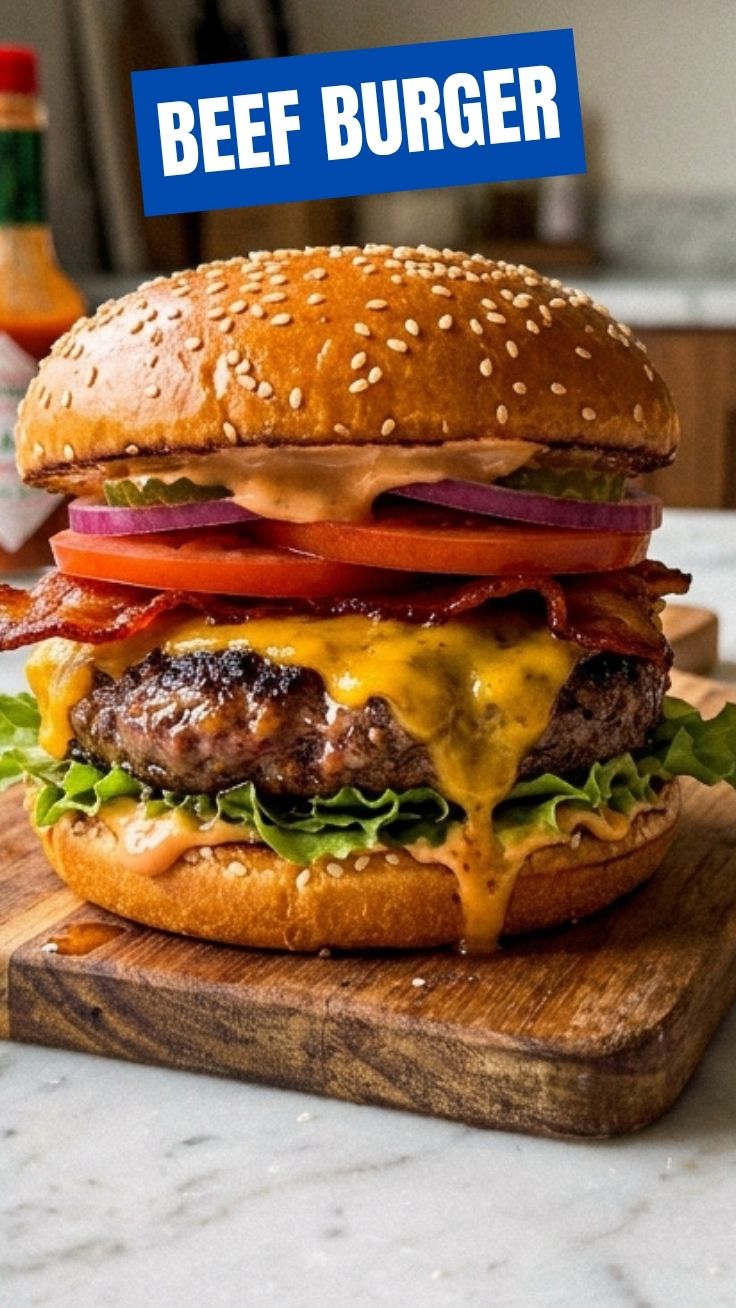
Tired of dry, uninspired burgers that leave you feeling… underwhelmed? What if I told you that the secret to a juicy, restaurant-quality Beef Burger isn’t a secret at all, but a simple, achievable culinary triumph you can master in your own kitchen? Preparing this iconic comfort food at home offers unparalleled control over ingredients, freshness, and flavor, transforming a humble patty into an extraordinary dining experience. This comprehensive guide will equip you with all the knowledge to create a sensational burger recipe that will have everyone asking for seconds.
Ingredients & Kitchen Tools
Here’s what you’ll need to assemble your masterpiece:
- 1.5 lbs Ground Beef (80/20 Chuck): The perfect fat-to-lean ratio for maximum juiciness and flavor.
- 1 tbsp Worcestershire Sauce: Adds umami depth and a subtle tang.
- 1 tsp Garlic Powder: Enhances savory notes.
- 1 tsp Onion Powder: Provides a baseline of sweet, savory flavor.
- 1/2 tsp Black Pepper: Freshly ground, for a pungent kick.
- 1/2 tsp Salt: Crucial for seasoning the meat from within.
- 4-6 Burger Buns: Brioche, sesame, or potato buns work wonderfully.
- Your Favorite Toppings: Lettuce, tomato, onion, pickles, cheese slices (cheddar, American, Swiss), bacon, avocado, etc.
- Ketchup, Mustard, Mayonnaise: Classic condiments.
- Optional Substitutions: For a leaner option, use 90/10 ground beef, but be mindful of potentially dryer results. Gluten-free buns are an easy swap for dietary needs.
- Kitchen Tools:
* Large Mixing Bowl
* Grill or Cast-Iron Skillet
* Spatula
* Meat Thermometer (optional, but recommended for precision)
* Basting Brush (for buns)
Prep Time & Cooking Schedule
- Prep Time: 15 minutes (for mixing patties and preparing toppings).
- Cook Time: 8-12 minutes (depending on desired doneness).
- Resting Time: 5 minutes (after cooking, for juicy perfection).
This recipe is designed for flexibility. You can prepare the burger patties ahead of time (up to 24 hours) and store them in the refrigerator, covered. This allows for quick cooking on a busy weeknight or seamless grilling for a weekend get-together. Have all your toppings chopped and condiments ready before you start cooking the patties!
Step-by-Step Instructions
Let’s break down the process of creating the ultimate Beef Burger:
1. Prepare the Patties: In a large mixing bowl, gently combine the ground beef with Worcestershire sauce, garlic powder, onion powder, black pepper, and salt. Avoid overmixing, as this can make the burgers tough. Divide the mixture into 4-6 equal portions and gently shape them into patties, about 3/4 to 1 inch thick. Make a shallow indentation in the center of each patty with your thumb – this prevents the burger from bulging in the middle during cooking. This specific burger recipe focuses on technique for maximum flavor.
2. Preheat Your Cooking Surface: If using a grill, preheat to medium-high heat (375-400°F). If using a cast-iron skillet, heat it over medium-high heat until just smoking. A high initial heat creates a beautiful sear.
3. Cook the Burgers: Place the patties on the hot grill or skillet. Cook for 3-4 minutes per side for medium-rare (135°F internal temperature), 4-5 minutes per side for medium (140°F), and 5-6 minutes per side for medium-well (150°F). For cheeseburgers, add the cheese slice during the last minute of cooking, allowing it to melt.
4. Toast the Buns: Lightly butter or brush the cut sides of the burger buns with oil. During the last 1-2 minutes of the burger cooking, place the buns cut-side down on the grill or in a separate pan to toast until golden brown. This adds textural contrast and prevents sogginess.
5. Rest and Assemble: Remove the cooked burgers from the heat and let them rest for 5 minutes. This allows the juices to redistribute, ensuring a tender and moist patty. Assemble your burgers with your toasted buns, preferred condiments, and an array of fresh toppings.
Nutritional Benefits & Advantages
Crafting your own Beef Burger offers more than just deliciousness. Beef is an excellent source of protein, essential for muscle repair and growth, and provides vital nutrients like iron, zinc, and B vitamins, which are crucial for energy production and immune function. By making it at home, you control the quality of the meat, avoid excessive sodium found in many pre-made patties, and can load up on fresh, nutrient-rich vegetables as toppings, enhancing the overall dietary value of your meal.
Tips, Variations & Cooking Advice
- Flavor Variations: Incorporate different seasonings! Try a pinch of smoked paprika, a dash of chili powder, or finely minced herbs like parsley or chives into your patty mix.
- Ingredient Swaps: Experiment with different types of ground meat, such as a blend of beef and pork, or even a mix of beef and crumbled bacon for an extra layer of smoky flavor.
- Alternative Cooking Methods: If you don’t have a grill or cast-iron skillet, you can bake burgers in the oven at 375°F (190°C) for 20-25 minutes, flipping halfway. While it won’t produce the same sear, it’s a viable option.
- Dietary Adaptations: Explore lettuce wraps instead of buns for a low-carb alternative. Top with avocado for healthy fats!
Common Mistakes to Avoid
- Overmixing the Meat: This is crucial. Overworking the ground beef leads to dense, tough burgers. Handle the meat gently and mix just until combined.
- Pressing Patties During Cooking: Resist the urge to press down on the burgers with your spatula. This squeezes out all the delicious juices, resulting in a dry patty.
- Not Seasoning Enough: Salt is vital for bringing out the beef’s natural flavors. Don’t be shy, but don’t overdo it either.
- Skipping the Rest: Just like a good steak, burgers benefit from a few minutes of rest off the heat, allowing the juices to settle and redistribute.
Storage & Meal Prep Tips
Leftover burger patties can be stored in an airtight container in the refrigerator for up to 3-4 days. For longer storage, cooked patties can be individually wrapped and frozen for up to 2-3 months. Reheat gently in a skillet over low heat or in the oven to maintain moisture. Avoid microwaving, as it can often make the burger rubbery. You can also prep the burger patties raw and store them in the fridge, separated by wax paper, for up to 24 hours before cooking.
Conclusion
Mastering the art of the homemade Beef Burger is a truly rewarding culinary journey. By following these detailed steps, embracing the nuances of proper seasoning and cooking, and understanding the importance of quality ingredients, you’ll consistently create a delicious and satisfying burger recipe. Don’t just settle for good; strive for extraordinary in your kitchen! We encourage you to try this recipe, experiment with your favorite toppings, and share your mouth-watering creations with us. Happy grilling!
FAQs
Q1: How do I prevent my burgers from shrinking?
A1: Making a small indentation in the center of each patty before cooking helps to prevent it from bulging and shrinking excessively in the middle. Also, avoid extremely lean ground beef, as higher fat content helps retain size.
Q2: Can I use frozen ground beef for this recipe?
A2: It’s best to use thawed ground beef. If you must use frozen, allow it to thaw completely in the refrigerator before mixing, as partial freezing can affect seasoning and patty formation.
Q3: What’s the best way to get a good crust on my burger?
A3: Ensure your cooking surface (grill or skillet) is very hot before adding the patties. Don’t overcrowd the pan, and avoid moving the burgers too much during the initial cook, allowing the Maillard reaction to create that delicious crust.
Q4: How can I make my burger patties more flavorful?
A4: Besides the seasonings listed, consider adding a pinch of smoked paprika, a dash of Worcestershire or soy sauce, or even finely chopped herbs like parsley or chives directly into the meat mixture. Don’t forget proper salting!
Q5: What’s the ideal internal temperature for a medium-rare burger?
A5: A medium-rare burger should reach an internal temperature of 135°F (57°C). For food safety, the USDA recommends cooking ground beef to a minimum of 160°F (71°C) to prevent foodborne illness, though many home cooks prefer lower temperatures for taste.