Unlock the Secret to the Perfect Asian Chicken Salad: A Data-Driven Guide
Tired of the same old lunch routine? Craving something vibrant, flavorful, and incredibly satisfying? Look no further than this homemade Asian Chicken Salad, a dish that’s as easy to prepare as it is delicious. Forget those lackluster takeout versions; creating your own chicken salad at home not only guarantees freshness and quality ingredients but also allows you to customize it to your exact taste preferences. This comprehensive guide will walk you through every step, ensuring your homemade version is nothing short of spectacular. Get ready to elevate your culinary game with this incredible recipe!
Ingredients & Kitchen Tools
- Cooked Chicken Breast (2 cups, shredded or diced): Leftover rotisserie chicken works great here for convenience.
- Shredded Cabbage (4 cups, green or napa): Provides a wonderful crunch and fresh base.
- Shredded Carrots (1 cup): Adds a touch of sweetness and vibrant color.
- Red Bell Pepper (1, thinly sliced): For a sweet crunch and visual appeal.
- Green Onions (4, thinly sliced): Offers a mild oniony bite.
- Cilantro (1/2 cup, chopped): Fresh herbs brighten the flavor.
- Toasted Almonds or Peanuts (1/2 cup, chopped): Adds a delightful nutty crunch.
- Sesame Seeds (2 tbsp, for garnish): Enhances the Asian flavor profile.
- For the Dressing:
* Rice Vinegar (1/4 cup): Provides the essential tang.
* Soy Sauce (3 tbsp, low sodium preferred): The umami cornerstone.
* Sesame Oil (2 tbsp, toasted): Adds a rich, nutty aroma.
* Honey or Maple Syrup (2 tbsp): Balances the flavors with a touch of sweetness.
* Fresh Ginger (1 tbsp, grated): Aromatic and zesty.
* Garlic (1 clove, minced): Deepens the savory notes.
- Large Mixing Bowl: Essential for combining all ingredients.
- Whisk: For thoroughly emulsifying the dressing.
- Sharp Knife & Cutting Board: For efficient prep.
- Measuring Cups & Spoons: For accurate ingredient portions.
Prep Time & Cooking Schedule
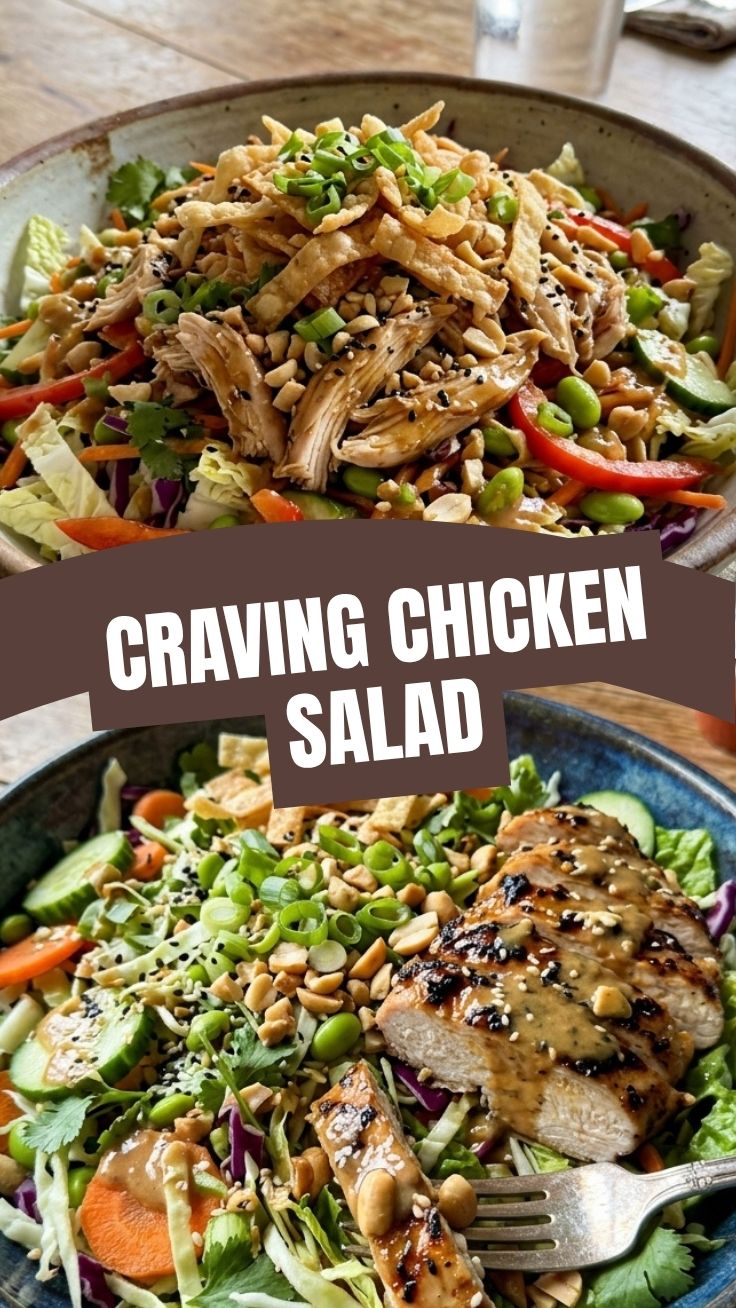
This Asian Chicken Salad is a breeze to prepare, making it a perfect weeknight meal or a fantastic option for meal prepping. The active prep time for chopping and assembling is approximately 20 minutes. There is no cooking time involved if you’re using pre-cooked chicken. However, allowing the salad to chill in the refrigerator for at least 30 minutes before serving is highly recommended. This allows the flavors to meld beautifully, creating a more harmonious and satisfying experience. For optimal flavor, you can even prepare the dressing a day in advance and store it separately.
Step-by-Step Instructions
1. Prepare the Chicken: If not already cooked, poach, grill, or bake your chicken breasts until thoroughly cooked. Once cooled, shred or dice the chicken into bite-sized pieces. Aim for uniform pieces for even distribution in your chicken salad.
2. Chop the Vegetables: Finely shred the cabbage and carrots. Thinly slice the red bell pepper and green onions. Roughly chop the fresh cilantro. The finer the chop, the better the flavors will integrate into your Asian Chicken Salad.
3. Make the Dressing: In a small bowl, whisk together the rice vinegar, soy sauce, toasted sesame oil, honey (or maple syrup), grated fresh ginger, and minced garlic until thoroughly combined and emulsified. Taste and adjust sweetness or tanginess as desired.
4. Combine Ingredients: In a large mixing bowl, combine the shredded chicken, shredded cabbage, carrots, red bell pepper, green onions, and chopped cilantro.
5. Dress the Salad: Pour the prepared dressing over the salad ingredients.
6. Toss Gently: Using tongs or clean hands, gently toss all the ingredients until everything is evenly coated with the dressing. Avoid over-tossing, which can bruise the ingredients.
7. Chill and Serve: Cover the bowl and refrigerate for at least 30 minutes to allow the flavors to meld. Before serving, garnish with toasted almonds (or peanuts) and sesame seeds.
Nutritional Benefits & Advantages
This Asian Chicken Salad is packed with nutritional goodness. Chicken breast is a lean source of protein, essential for muscle repair and satiety. The abundance of fresh vegetables like cabbage, carrots, and bell peppers provides a rich array of vitamins, minerals, and dietary fiber, promoting digestive health and boosting immunity. The healthy fats from sesame oil and nuts contribute to overall well-being. This recipe is naturally gluten-free (ensure gluten-free soy sauce is used) and can be easily adapted to be dairy-free, making it a fantastic option for various dietary needs.
Tips Variations & Cooking Advice
- Spice It Up: Add a pinch of red pepper flakes or a dash of sriracha to the dressing for a fiery kick.
- Vegetarian/Vegan Version: Substitute the chicken with baked tofu, tempeh, or chickpeas for a plant-based alternative.
- Add More Crunch: Incorporate water chestnuts, snap peas, or crispy rice noodles for extra texture.
- Citrus Burst: A squeeze of fresh lime juice in the dressing can brighten the flavors.
- Nut-Free: If you have nut allergies, simply omit the almonds or peanuts and use toasted sunflower or pumpkin seeds for crunch.
- Meal Prep Power: Prepare the dressing and chop all vegetables in advance. Store them separately in airtight containers in the refrigerator. Assemble the salad just before serving to maintain freshness and crunch.
Common Mistakes to Avoid
- Over-Dressing: Start with a little less dressing and add more as needed. You can always add, but you can’t take away!
- Soggy Salad: Ensure the chicken has cooled completely before adding it to the salad. Dressing the salad too far in advance can also lead to soggy greens.
- Uneven Chopping: Inconsistent chopping can lead to an unbalanced texture. Aim for similar-sized pieces for all your vegetables and chicken.
- Using Raw Garlic/Ginger: While raw has its place, grating or mincing them finely ensures their potent flavors are well distributed without being overpowering.
- Not Chilling: The chilling step is crucial for the flavors to marry and deepen. Don’t skip it!
Storage & Meal Prep Tips
Leftover Asian Chicken Salad can be stored in an airtight container in the refrigerator for up to 3-4 days. It’s best consumed within this timeframe to maintain the crispness of the vegetables. If you are meal prepping, consider storing the dressing separately and only adding it just before serving to prevent the vegetables from becoming soggy. This salad does not freeze well due to the high water content of the fresh vegetables. For reheating, this dish is traditionally served cold, so no reheating is required.
Conclusion
There you have it – a master guide to crafting the most delightful and nutritious Asian Chicken Salad right in your own kitchen. From its vibrant ingredients to its zesty dressing, this recipe is a testament to the fact that healthy eating can also be incredibly delicious and satisfying. Mastering this chicken salad will undoubtedly impress your taste buds and become a staple in your culinary repertoire. We encourage you to try this recipe, experiment with your own variations, and share your delicious results with us! Happy cooking!
FAQs
Q1: Can I use leftover roasted chicken instead of poached?
A1: Absolutely! Leftover roasted or rotisserie chicken works wonderfully and adds another layer of roasted flavor to the salad. Just make sure it’s cooled and shredded or diced.
Q2: What if I don’t have rice vinegar?
A2: Apple cider vinegar can be a decent substitute for rice vinegar, though it will slightly alter the flavor profile. Start with a smaller amount and adjust to taste.
Q3: How can I make this salad spicier?
A3: To add more heat, incorporate a pinch of red pepper flakes or a teaspoon of sriracha sauce into the dressing. You can also add thinly sliced fresh chilies to the salad.
Q4: Can I prepare this salad ahead of time for a party?
A4: Yes, you can. Prepare all the ingredients (chop vegetables, cook chicken, make dressing) and store them separately in airtight containers. Assemble and toss the salad with the dressing just before serving to ensure maximum freshness and crunch.
Q5: What are some good additions to this salad?
A5: Great additions include mandarin oranges for sweetness, snow peas or edamame for extra green vegetables, and crispy wonton strips for added crunch.