Craving Comfort? Discover the Magic of Homemade Pasta e Fagioli!
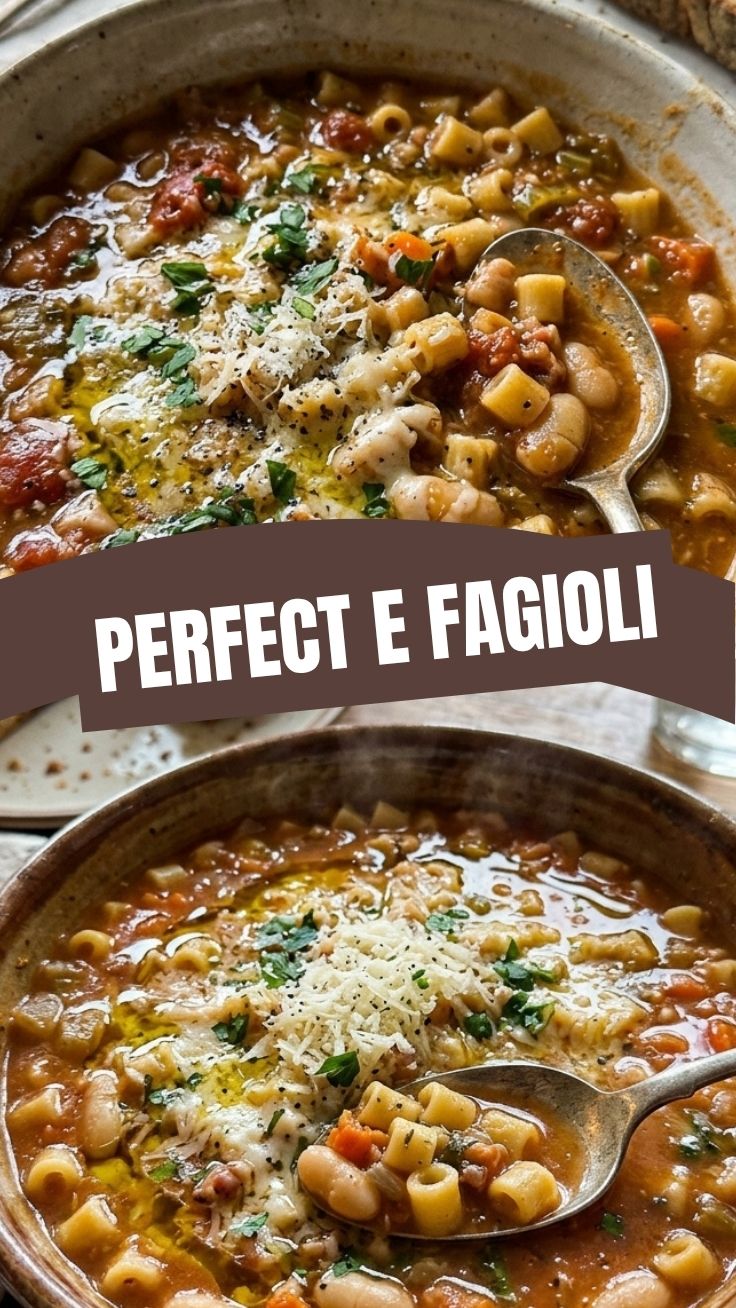
Have you ever found yourself yearning for a bowl of something warm, comforting, and utterly delicious? That’s the feeling Pasta e Fagioli evokes. This classic Italian soup, often hailed as “peasant food,” is a testament to how simple ingredients can transform into an extraordinary culinary experience. Preparing this dish at home isn’t just about saving money; it’s about crafting a meal infused with love, brimming with wholesome ingredients, and tailored precisely to your taste. Forget bland, canned versions – homemade Pasta e Fagioli offers unparalleled depth of flavor and personal satisfaction. If you’re on the hunt for easy-to-follow pasta recipes that deliver big on taste and nutrition, you’ve come to the right place.
Ingredients & Kitchen Tools
- 1 tbsp olive oil: For sautéing aromatics, adding a rich base.
- 1 medium yellow onion, diced: Provides a sweet and savory foundation.
- 2 carrots, diced: Adds sweetness and essential nutrients.
- 2 celery stalks, diced: Contributes a fresh, earthy flavor.
- 3 cloves garlic, minced: Aromatic essential for depth.
- 1 (28 ounce) can crushed tomatoes: Forms the hearty base of the soup.
- 4 cups vegetable or chicken broth: The liquid component, choose low-sodium if preferred.
- 1 (15 ounce) can cannellini beans, rinsed and drained: Creamy white beans, packed with protein and fiber.
- 1 (15 ounce) can red kidney beans, rinsed and drained: Adds texture and color, another excellent protein source.
- ½ cup ditalini pasta: Small, tube-shaped pasta, perfect for soups (or any small pasta like elbow macaroni).
- 1 tsp dried oregano: Classic Italian herb for authentic flavor.
- ½ tsp dried basil: Another essential herb, complementing the tomato.
- Salt and freshly ground black pepper, to taste: Seasoning perfection.
- Fresh parsley, chopped (for garnish): Adds freshness and a pop of color.
- Parmesan cheese, grated (for serving): Optional, but highly recommended for an extra layer of savory flavor.
Kitchen Tools:
- Large Dutch oven or heavy-bottomed pot: Ideal for even heat distribution.
- Cutting board and knife: For prepping vegetables.
- Measuring cups and spoons: For accurate ingredient quantities.
- Stirring spoon: For mixing and stirring.
- Can opener: For the canned ingredients.
Prep Time & Cooking Schedule
- Prep Time: 15 minutes
- Cook Time: 35-40 minutes
- Total Time: 50-55 minutes
This recipe is designed for a weeknight meal, requiring minimal planning. The active cooking time is relatively short, allowing the flavors to meld beautifully while the pasta cooks. There’s no resting or marinating time needed – just pure, delicious comfort waiting to be devoured as soon as it’s done.
Step-by-Step Instructions
1. Sauté Aromatics: Heat the olive oil in a large Dutch oven or heavy-bottomed pot over medium heat. Add the diced onion, carrots, and celery. Cook, stirring occasionally, for 5-7 minutes until softened. Don’t rush this step, as it builds the flavor foundation.
2. Add Garlic and Herbs: Stir in the minced garlic, dried oregano, and dried basil. Cook for another minute until fragrant, being careful not to burn the garlic.
3. Build the Broth: Pour in the crushed tomatoes and vegetable or chicken broth. Bring the mixture to a gentle simmer, scraping up any browned bits from the bottom of the pot. This is where the magic of Pasta e Fagioli really begins to unfold.
4. Introduce Beans and Simmer: Add both the rinsed cannellini and kidney beans to the pot. Reduce the heat to low, cover, and let it simmer for 15-20 minutes, allowing the flavors to meld.
5. Cook the Pasta: Increase the heat to medium-low and add the ditalini pasta directly to the simmering soup. Cook according to package directions, usually 7-10 minutes, or until the pasta is al dente. Stir occasionally to prevent the pasta from sticking. For best results with pasta recipes like this, cook the pasta directly in the soup so it absorbs all the wonderful flavors.
6. Season and Serve: Season generously with salt and freshly ground black pepper to taste. Taste and adjust seasonings as needed. Ladle the hot soup into bowls, garnish with fresh parsley, and a sprinkle of grated Parmesan cheese, if desired.
Nutritional Benefits & Advantages
This hearty soup is a nutritional powerhouse. The beans provide an excellent source of plant-based protein and dietary fiber, promoting satiety and aiding digestion. Tomatoes are rich in antioxidants like lycopene, while carrots contribute Vitamin A for eye health. The vegetable base ensures a good dose of essential vitamins and minerals. It’s a low-fat, cholesterol-free meal (when using vegetable broth) that can easily be made gluten-free with gluten-free pasta.
Tips, Variations & Cooking Advice
- Spice it Up: Add a pinch of red pepper flakes with the garlic for a subtle kick.
- Greens Power: Stir in a handful of fresh spinach or kale during the last 5 minutes of cooking for added nutrients.
- Meaty Twist: For a non-vegetarian version, brown 4 ounces of Italian sausage (mild or hot) before adding the aromatics, draining excess fat.
- Pasta Choice: While ditalini is traditional, feel free to use small shells, elbow macaroni, or even broken spaghetti.
- Thicker Soup: If you prefer a thicker soup, mash a quarter of the beans against the side of the pot before adding them, or remove a cup of the soup, blend it, and return it to the pot.
- Vegetarian/Vegan: This recipe is naturally vegetarian; for vegan, ensure you use vegetable broth and omit the Parmesan cheese.
Common Mistakes to Avoid
- Overcooking Pasta: The biggest culprit in soup! Cook pasta directly in the soup until just al dente. Overcooked pasta becomes mushy and absorbs too much liquid, leaving you with less broth.
- Not Rinsing Beans: Always rinse canned beans thoroughly to remove excess sodium and improve their flavor.
- Skipping Sautéing Aromatics: This step is crucial for developing a deep flavor base. Don’t rush it.
- Under-Seasoning: Taste your soup before serving and adjust salt and pepper. A well-seasoned soup makes all the difference.
Storage & Meal Prep Tips
Leftover Pasta e Fagioli tastes even better the next day as the flavors continue to meld. Store cooled soup in an airtight container in the refrigerator for up to 3-4 days.
- Reheating: Gently reheat on the stovetop over medium-low heat, stirring occasionally. You might need to add a splash of extra broth or water, as the pasta will absorb more liquid overnight.
- Freezing: For optimal results, if you plan to freeze, undercook the pasta slightly or cook and store the pasta separately. If you freeze the soup with fully cooked pasta, it might become mushier upon reheating. Freeze for up to 2-3 months. Thaw in the refrigerator overnight before reheating.
Conclusion
There you have it – a magnificent, soul-warming bowl of homemade Pasta e Fagioli! This recipe isn’t just about combining ingredients; it’s about creating a moment of comfort and nourishment for yourself and your loved ones. We hope this guide inspires you to whip up this classic and explore the incredible potential of humble ingredients. If you enjoyed crafting this dish and are looking for more delightful pasta recipes, be sure to check out our other posts. We’d love to hear your experiences and see your creations in the comments below!
FAQs
Q1: Can I use dried beans instead of canned?
A1: Yes, you can! Soak ½ cup of dried cannellini or kidney beans overnight, then cook them according to package directions until tender before adding them to the soup as you would canned beans.
Q2: What if my soup is too thick or too thin?
A2: If too thick, add a bit more broth or water until it reaches your desired consistency. If too thin, you can simmer it uncovered for a bit longer to reduce, or mash some of the beans against the side of the pot to thicken.
Q3: Can I make this ahead of time?
A3: Absolutely! The flavors deepen overnight. If making several days ahead, I recommend cooking the pasta separately and adding it to individual servings to prevent it from getting too mushy.
Q4: Is this recipe gluten-free?
A4: To make it gluten-free, simply use your favorite gluten-free ditalini or other small gluten-free pasta. The rest of the ingredients are naturally gluten-free.