Mastering Homemade Cinnamon Rolls: Your Ultimate Guide
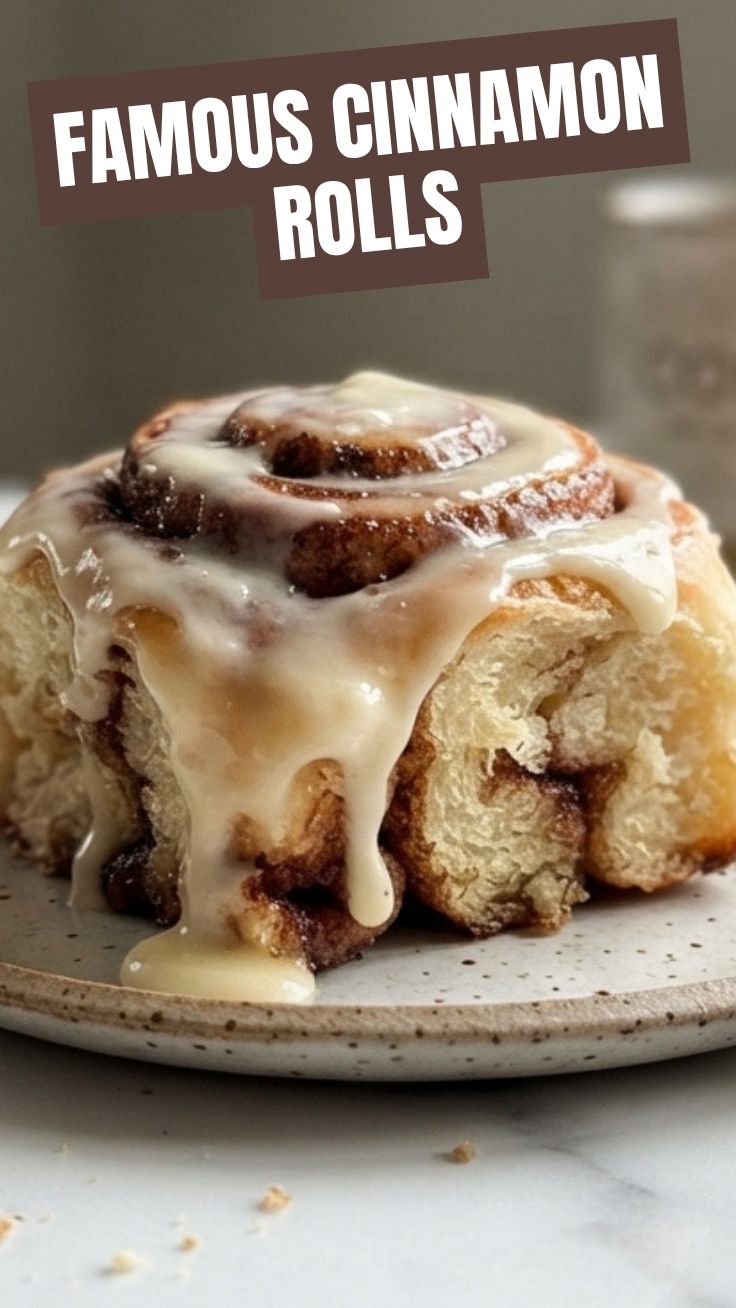
Ever wondered if you could replicate that irresistible, gooey Cinnamon Rolls experience from your favorite bakery right in your own kitchen? The answer is a resounding yes! Preparing these delightful treats at home isn’t just about saving money; it’s about infusing your baking with love, customizing flavors to your liking, and enjoying the incredible aroma that fills your home. This ultimate guide will walk you through every step, ensuring your homemade Cinnamon Roll Recipe is a resounding success, creating memories and tempting taste buds.
Ingredients & Kitchen Tools
Crafting perfect cinnamon rolls begins with quality ingredients and the right equipment.
Ingredients:
- All-Purpose Flour (5 cups): The structural base for our soft, pillowy dough.
- Granulated Sugar (1/2 cup + 1/2 cup for filling): Sweetens the dough and the delightful cinnamon swirl.
- Active Dry Yeast (2 1/4 teaspoons or 1 packet): The leavening agent that makes our rolls rise beautifully.
- Warm Milk (1 cup, whole or 2%): Activates the yeast and adds richness to the dough. (Temperature should be between 105-115°F/40-46°C).
- Unsalted Butter (1/2 cup melted + 1/2 cup softened for filling + 1/4 cup for frosting): Adds flavor, tenderness, and richness throughout.
- Large Eggs (2, room temperature): Contribute to the dough’s structure and richness.
- Salt (1 teaspoon): Balances the sweetness and enhances flavor.
- Ground Cinnamon (2 tablespoons for filling): The star spice of our rolls.
- Brown Sugar (1 cup, packed for filling): Adds a deep molasses flavor and moisture to the filling.
- Powdered Sugar (2 cups for frosting): The base for our smooth, sweet glaze.
- Cream Cheese (4 oz, softened for frosting): Creates that classic tangy cream cheese frosting.
- Vanilla Extract (1 teaspoon for frosting): Enhances the overall flavor profile.
Kitchen Tools:
- Large Mixing Bowl: For combining and kneading the dough.
- Measuring Cups & Spoons: Essential for precise ingredient measurements.
- Stand Mixer with Dough Hook (optional but recommended): Makes kneading effortless.
- Rolling Pin: To achieve an even dough thickness.
- 9×13 Inch Baking Pan: The ideal size for baking a batch of rolls.
- Small Saucepan or Microwave-Safe Bowl: For warming milk and melting butter.
- Whisk: For combining dry ingredients and frosting.
- Plastic Wrap or Clean Kitchen Towel: For covering the dough during rises.
- Offset Spatula or Butter Knife: For spreading frosting.
Prep Time & Cooking Schedule
Achieving perfectly proofed, golden-brown cinnamon rolls requires careful timing.
- Active Prep Time: 45 minutes
- Dough Rise Time (First Proof): 1-1.5 hours
- Assembly Time: 20 minutes
- Dough Rise Time (Second Proof): 30-45 minutes
- Bake Time: 20-25 minutes
- Cooling & Frosting Time: 15 minutes
This schedule allows for ample rising, crucial for light and fluffy rolls. Plan for approximately 3-4 hours from start to finish, with significant hands-off time during the proofs.
Step-by-Step Instructions
Embark on your baking adventure with these detailed steps, ensuring each Cinnamon Rolls batch is a masterpiece.
1. Activate the Yeast: In a large bowl, whisk together the warm milk, 1 teaspoon of granulated sugar, and yeast. Let it sit for 5-10 minutes until foamy, indicating the yeast is active.
2. Prepare the Dough: Add the remaining 1/2 cup granulated sugar, melted butter, eggs, and salt to the yeast mixture. Gradually add the flour, mixing until a shaggy dough forms.
3. Knead the Dough: If using a stand mixer, knead with the dough hook for 5-7 minutes until the dough is smooth and elastic. By hand, knead on a lightly floured surface for 8-10 minutes.
4. First Rise: Place the dough in a lightly oiled bowl, turning once to coat. Cover with plastic wrap or a clean kitchen towel and let it rise in a warm place for 1-1.5 hours, or until doubled in size.
5. Make the Filling: While the dough rises, combine the softened butter, brown sugar, and ground cinnamon in a small bowl until well combined.
6. Roll Out the Dough: Once risen, gently punch down the dough. Transfer it to a lightly floured surface and roll it into a large rectangle, approximately 18×12 inches.
7. Spread the Filling: Evenly spread the cinnamon-sugar filling over the entire surface of the dough, leaving a small border on one long edge.
8. Roll and Slice: Tightly roll the dough from the long edge, creating a log. Using a sharp knife or unflavored dental floss, cut the log into 12 equal slices (about 1.5 inches thick).
9. Second Rise: Arrange the slices in a greased 9×13 inch baking pan, leaving a little space between them. Cover and let rise again for 30-45 minutes, or until puffy. This second proof is essential for a truly pillowy Cinnamon Roll Recipe.
10. Bake: Preheat your oven to 375°F (190°C). Bake for 20-25 minutes, or until golden brown and cooked through.
11. Prepare the Frosting: While the rolls bake, beat together the softened cream cheese, melted butter, powdered sugar, and vanilla extract until smooth and creamy. Add a tablespoon or two of milk if needed to achieve desired consistency.
12. Frost and Serve: Once the rolls are out of the oven, let them cool for 5-10 minutes before generously spreading the cream cheese frosting over them. Serve warm!
Nutritional Benefits & Advantages
Beyond their undeniable deliciousness, homemade cinnamon rolls offer some surprising advantages. Made from scratch, you control the quality of ingredients, opting for organic or locally sourced butter and eggs. While a treat, they provide carbohydrates for energy, and the cinnamon itself is known for its anti-inflammatory properties and potential to help regulate blood sugar, offering a small, sweet bonus to your indulgence.
Tips, Variations & Cooking Advice
- Overnight Rolls: Prepare the dough and assemble the rolls up to step 9. Cover tightly and refrigerate overnight. In the morning, let them come to room temperature for 30-60 minutes before baking.
- Gluten-Free: Substitute all-purpose flour with a 1:1 gluten-free baking blend that contains xanthan gum.
- Dairy-Free: Use plant-based milk (almond, oat) and dairy-free butter and cream cheese substitutes.
- Add-ins: Experiment with nuts (pecans, walnuts), dried fruit (raisins, cranberries), or a touch of orange zest in the filling for extra flavor dimensions.
- Perfect Proofing: A warm, draft-free spot is ideal for rising dough. If your kitchen is cool, place the covered bowl in a slightly warm (but turned off) oven with the light on.
Common Mistakes to Avoid
- Over-flouring: Adding too much flour results in dry, tough rolls. Add flour gradually and stop when the dough is no longer excessively sticky.
- Under-kneading: Insufficient kneading prevents gluten from developing, leading to flat rolls. Knead until the dough is smooth and elastic.
- Killing the Yeast: Water that’s too hot will kill the yeast; too cold, and it won’t activate. Aim for 105-115°F (40-46°C).
- Over-baking: Baking too long dries out the rolls. Look for golden-brown tops and perfectly tender interiors.
- Impatient Proofing: Rushing the rise times will result in dense, heavy rolls. Let the dough take its time to double in size.
Storage & Meal Prep Tips
Leftover cinnamon rolls can be stored in an airtight container at room temperature for up to 2-3 days, or in the refrigerator for up to a week. For longer storage, freeze unfrosted rolls individually for up to 1 month. Thaw at room temperature and warm gently in the microwave or oven before frosting and serving. They make an excellent grab-and-go breakfast or a delightful afternoon treat!
Conclusion
Creating homemade Cinnamon Rolls is a rewarding experience, transforming simple ingredients into a truly comforting and decadent treat. By following this detailed guide, you’re well on your way to mastering this classic. Don’t be intimidated by the process; with a little patience and attention to detail, you’ll be baking soft, gooey, perfectly spiced rolls that rival any bakery. We encourage you to try this amazing Cinnamon Roll Recipe and share your baking journey with us! Your kitchen is about to become everyone’s favorite spot.
FAQs
Q1: My dough isn’t rising. What went wrong?
A1: The most common culprits are inactive yeast (check the expiration date) or water that was too hot or too cold during activation. Ensure your milk is within the 105-115°F range.
Q2: Can I use instant yeast instead of active dry yeast?
A2: Yes, you can. You can typically use the same amount, and instant yeast doesn’t require proofing; you can mix it directly with the flour. However, proofing still confirms its viability.
Q3: How do I store leftover frosting?
A3: Store leftover cream cheese frosting in an airtight container in the refrigerator for up to a week. Let it come to room temperature and whisk it well before using again.
Q4: My rolls came out dry. What could be the cause?
A4: Over-baking is the usual reason for dry rolls. Keep an eye on them towards the end of the baking time, and remove them as soon as they are golden brown. Too much flour in the dough can also lead to dryness.
Q5: Can I make mini cinnamon rolls?
A5: Absolutely! Roll the dough into a tighter log and slice into thinner (about 1-inch) rolls. Reduce the baking time accordingly, usually by 5-7 minutes.