Unlock Unforgettable Flavor: Your Guide to the Perfect Homemade Smoked Turkey
Ever wonder how to achieve that succulent, smoky flavor in your own kitchen that rivals the most renowned barbecue joints? Preparing a Smoked Turkey at home is not just about making a meal; it’s about crafting an experience, a centerpiece that will be remembered long after the last bite. Beyond the incredible taste, mastering a homemade Smoked Turkey gives you complete control over ingredients, ensuring a healthier and more personalized dish. The secret to an exceptionally juicy and flavorful bird often starts long before it ever touches the smoker, delving into the art of Brining Turkey, a technique that elevates moisture and seasoning to a new level.
Ingredients & Kitchen Tools
- Whole Turkey (12-15 lbs): Fresh or thawed. Look for a high-quality bird for the best results.
* 1 gallon vegetable broth: Adds a foundational savory note.
* 1 cup kosher salt: Essential for the brining process, drawing moisture into the meat.
* 1/2 cup brown sugar: Balances saltiness and promotes beautiful skin browning.
* 1/4 cup black peppercorns: Adds a subtle peppery aroma.
* 4 sprigs fresh rosemary: Infuses an earthy, aromatic flavor.
* 6 sprigs fresh thyme: Complements the rosemary with a delicate, herbaceous note.
* 4 bay leaves: Deepens the savory profile.
* 2 oranges, quartered: Adds a bright, citrusy undertone.
* 1 large onion, quartered: Provides sweetness and depth.
- Rub Ingredients:
* 1/4 cup smoked paprika: For color and an extra layer of smoky flavor.
* 2 tbsp garlic powder: Aromatic and savory.
* 2 tbsp onion powder: Adds depth of flavor.
* 1 tbsp dried oregano: Earthy and herbaceous.
* 1 tbsp black pepper: Freshly ground preferred for maximum aroma.
* 1 tsp cayenne pepper (optional): For a touch of heat.
* 1/2 cup melted butter or olive oil: Helps the rub adhere and promotes crisp skin.
- Kitchen Tools:
* Large brining bag or food-grade bucket: Essential for containing the brine and turkey.
* Smoker (pellet, electric, or charcoal): The star tool for achieving that smoky flavor.
* Meat thermometer: Crucial for ensuring the turkey reaches a safe internal temperature.
* Aluminum foil pan: To catch drippings and facilitate easy transfer.
* Tongs or sturdy gloves: For handling the turkey.
* Sharp knife and carving board: For presentation.
Prep Time & Cooking Schedule
- Brining Time: 12-24 hours. Plan this well in advance, as it’s a crucial step for moisture and flavor.
- Prep Time: 30 minutes (active prep, excluding thawing). This includes making the brine and preparing the rub.
- Smoking Time: Approximately 4-6 hours (25-30 minutes per pound) for a 12-15 lb turkey at 250°F (120°C). Cooking times can vary based on your smoker and external conditions.
- Resting Time: 30-45 minutes. This is non-negotiable for juicy, tender meat.
Step-by-Step Instructions
1. Prepare the Brine: In a large pot, combine vegetable broth, kosher salt, brown sugar, black peppercorns, rosemary, thyme, bay leaves, oranges, and onion. Bring to a boil, stirring until salt and sugar dissolve. Remove from heat and let it cool completely. This is the cornerstone of delicious Brining Turkey.
2. Brine the Turkey: Once the brine is chilled, place the thawed turkey in a large brining bag or food-grade bucket. Pour the cooled brine over the turkey, ensuring it’s fully submerged. Seal the bag or cover the bucket and refrigerate for 12-24 hours.
3. Prepare the Turkey for Smoking: Remove the turkey from the brine and pat it thoroughly dry with paper towels, inside and out. Discard the brine. A dry skin is essential for crispiness.
4. Apply the Rub: In a small bowl, combine smoked paprika, garlic powder, onion powder, dried oregano, black pepper, and cayenne pepper (if using). Brush the entire turkey with melted butter or olive oil, then generously sprinkle the rub over the whole bird, working it into every crevice.
5. Preheat Your Smoker: Set your smoker to a consistent temperature of 250°F (120°C). Use wood chips or chunks like apple, cherry, or hickory for a classic smoke flavor.
6. Smoke the Turkey: Place the turkey, breast-side up, in an aluminum foil pan directly into the preheated smoker. Insert a meat thermometer into the thickest part of the thigh, avoiding the bone.
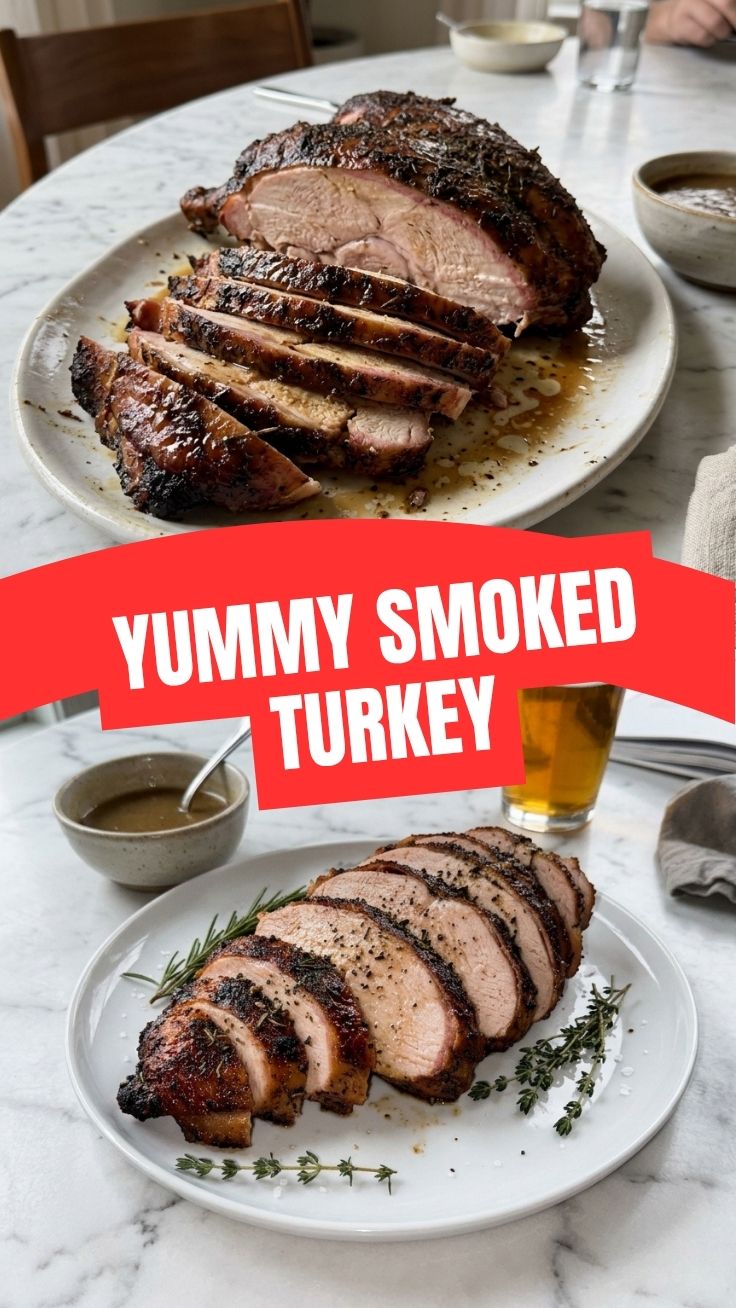
7. Monitor and Smoke: Smoke the turkey for approximately 4-6 hours, or until the internal temperature reaches 165°F (74°C) in the thickest part of the thigh and breast. Resist the urge to open the smoker too frequently, as it releases heat and smoke. A perfectly cooked Smoked Turkey will have a beautiful golden-brown skin and incredibly tender meat.
8. Rest and Carve: Once cooked, remove the turkey from the smoker and tent it loosely with aluminum foil. Let it rest for 30-45 minutes before carving. This allows the juices to redistribute, resulting in a more tender and flavorful bird.
Nutritional Benefits & Advantages
Turkey is a lean protein powerhouse, rich in essential amino acids crucial for muscle growth and repair. It’s also an excellent source of B vitamins (especially B6 and B12), selenium, and zinc, all vital for energy metabolism and immune function. Opting for a homemade Smoked Turkey allows you to control the sodium content and avoid processed additives often found in store-bought alternatives, making it a healthier option for your family.
Tips, Variations & Cooking Advice
- Flavor Variations: Experiment with different wood types (pecan, oak, maple) for varied smoky profiles. You can also add fresh herbs like sage or marjoram to the cavity of the turkey before smoking.
- Spicy Kick: For those who love a bit of heat, add a pinch of red pepper flakes to your rub or even a few sliced jalapeños to the brine.
- Crispier Skin: If you prefer a crispier skin, increase the smoker temperature to 325-350°F (160-175°C) for the last 30 minutes of cooking.
- Compound Butter: Before applying the rub, try spreading a compound butter (butter mixed with herbs like sage, thyme, and rosemary) under the skin of the turkey breast for extra moisture and flavor.
Common Mistakes to Avoid
- Not Brining: Skipping the Brining Turkey step often results in dry, less flavorful meat. It’s truly a game-changer!
- Overcooking: The biggest culprit for dry turkey. Always use a reliable meat thermometer and pull the turkey when it reaches 165°F (74°C). Carryover cooking will bring it up to 170°F (77°C) or slightly higher.
- Not Resting: Carving too soon allows all the precious juices to escape, leaving you with dry meat. Patience is key!
- Too Much Smoke: While delicious, excessive smoke can make the turkey taste bitter. Balance is crucial.
- Opening Smoker Frequently: Each time you open the smoker, you lose heat and smoke, extending cooking time and impacting flavor.
Storage & Meal Prep Tips
Store leftover Smoked Turkey in airtight containers in the refrigerator for up to 3-4 days. For longer storage, slice or shred the meat and freeze in freezer-safe bags or containers for up to 3 months. When reheating, gently warm in the oven or microwave with a splash of broth to prevent drying out. Leftover smoked turkey is fantastic in sandwiches, salads, soups, or even pot pies!
Conclusion
Mastering the art of Smoked Turkey at home is an incredibly rewarding culinary journey. From the flavorful transformation achieved by Brining Turkey to the irresistible smoky aroma, this recipe guarantees a show-stopping dish that will impress your family and friends. Don’t be intimidated; with these detailed steps and tips, you’re well on your way to creating an unforgettable centerpiece. Give this recipe a try and share your results – we’d love to hear how your smoked masterpiece turns out!
FAQs
Q1: Do I need a special smoker to make this recipe?
A1: While a dedicated smoker provides the best results, you can adapt this recipe for a charcoal grill with indirect heat or even a gas grill using a smoker box.
Q2: Can I use a frozen turkey directly?
A2: No, the turkey must be completely thawed before brining and smoking. Thawing a large turkey in the refrigerator can take several days.
Q3: My turkey skin isn’t crispy. What did I do wrong?
A3: Ensure the turkey is thoroughly patted dry after brining. Also, opening the smoker too frequently can prevent the skin from drying and crisping. For extra crispiness, try increasing the temperature at the very end of cooking.
Q4: How can I tell if my turkey is done without a thermometer?
A4: You truly can’t guarantee doneness or food safety without a reliable meat thermometer. It’s the most crucial tool for cooking poultry.
Q5: What are good side dishes for Smoked Turkey?
A5: Classic pairings include mashed potatoes, green bean casserole, stuffing, cranberry sauce, roasted root vegetables, and a fresh garden salad.