Master the Art of BBQ Brisket (Texas Style) at Home: Your Ultimate Guide
Have you ever dreamt of crafting that melt-in-your-mouth, smoky BBQ Brisket (Texas Style) right in your backyard? The kind that makes taste buds sing and neighbors flock to your fence? While often associated with seasoned pitmasters and lengthy restaurant queues, achieving a perfectly tender smoked brisket at home is not just possible, it’s incredibly rewarding. This comprehensive guide will demystify the process, empowering you to create a culinary masterpiece that rivals the best of Texas. Get ready to impress your family and friends with an authentic BBQ experience that emphasizes incredible flavor and tender perfection. This isn’t just about cooking; it’s about mastering a tradition.
## Ingredients & Kitchen Tools
To embark on your briskets journey, gather these essentials:
* 12-15 lb Whole Beef Brisket (Packer Cut): This cut includes both the “flat” (leaner) and the “point” (fattier). Look for good marbling.
* Coarse Kosher Salt: Essential for a foundational cure and flavor.
* Coarse Black Pepper: The other half of the classic Texas bark rub. Freshly ground is best.
* Optional: Paprika, Garlic Powder, Onion Powder: For a slightly more complex rub, though purists stick to salt and pepper.
* Wood Chunks/Pellets: Oak, hickory, or pecan are traditional for Texas-style.
* Digital Meat Thermometer (Probe & Instant-Read): CRITICAL for monitoring internal temperature.
* Large Roasting Pan or Aluminum Foil Pan: To catch drippings and for resting.
* Butcher Paper (Pink or Peach): For wrapping the brisket during the “stall” and resting. Allows smoke to penetrate while retaining moisture.
* Wood Smoker or Pellet Grill: The primary cooking apparatus.
* Spray Bottle: Filled with apple cider vinegar, water, or beef broth for spritzing.
* Sharp Carving Knife: For slicing against the grain.
* Cutting Board with Juice Groove: To contain the precious juices.
* Heat-Resistant Gloves: For handling the hot brisket.
## Prep Time & Cooking Schedule
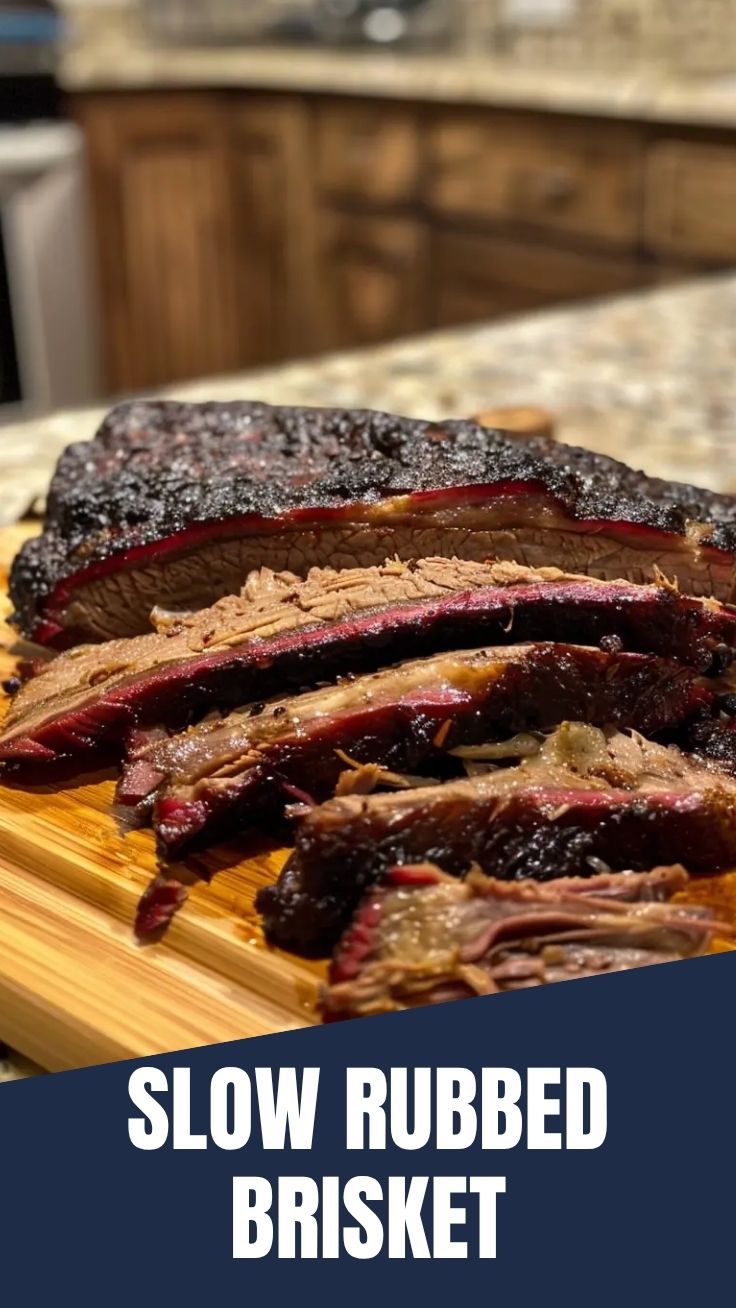
Crafting an exceptional BBQ Brisket (Texas Style) is a marathon, not a sprint. Proper planning is your secret weapon.
* Prep Time: 30-60 minutes (trimming and seasoning).
* Marinating/Resting (Dry Brine): 8-12 hours (overnight in the fridge after seasoning helps the rub adhere and season the meat).
* Cook Time: 10-16 hours (approximately 1 to 1.5 hours per pound at 225-275°F (107-135°C)). This can vary significantly based on your smoker, the brisket’s thickness, and external conditions.
* Resting Time: A minimum of 2-4 hours, ideally longer if possible. This is non-negotiable for tender, juicy results.
Total Time Commitment: Plan for a full 24-hour cycle from prep to serving for the best results, often starting the smoke early in the morning or even the night before.
## Step-by-Step Instructions
1. Trim the Brisket: Using a sharp knife, trim the hard, thick fat from the flat and the point down to about 1/4 to 1/2 inch thickness. Remove any silver skin. Shape it into a somewhat aerodynamic form to allow even smoke and heat distribution.
2. Season Generously: Apply a liberal amount of coarse kosher salt and coarse black pepper (and optional spices) to all surfaces of the brisket. Pat gently to adhere. Allow it to sit uncovered in the refrigerator overnight (8-12 hours) to dry brine.
3. Preheat Your Smoker: Set your smoker to a consistent temperature between 225-275°F (107-135°C). Add your chosen wood chunks or pellets. Aim for thin, blue smoke, not thick white smoke, which can impart a bitter flavor.
4. Smoke the Brisket (Phase 1 – Unwrapped): Place the brisket directly on the grates, fat side up or towards the heat source, depending on your smoker. Insert your probe thermometer into the thickest part of the flat, avoiding large pockets of fat. Maintain consistent temperature and a clean smoke. Spritz the brisket every 1-2 hours after the first few hours to keep it moist and promote bark formation.
5. The Stall & Wrapping: After 5-8 hours, the internal temperature will typically hit a “stall” (around 150-165°F / 65-74°C) where it stops rising, sometimes for hours. This is due to evaporative cooling. Once you’re happy with the bark color and the stall begins, remove the brisket, spritz again, and wrap it tightly in butcher paper. This helps push through the stall and tenderize the meat. Return to the smoker. This is crucial for a tender smoked brisket.
6. Smoke the Brisket (Phase 2 – Wrapped): Continue cooking the wrapped brisket until it reaches an internal temperature of 200-205°F (93-96°C) and feels incredibly tender (“probe tender”) when you insert the thermometer with little to no resistance, like pushing into warm butter. This can take another 4-8 hours.
7. Resting – The Most Crucial Step: Once probe tender, remove the brisket from the smoker (still wrapped!) and place it in an empty cooler or an oven set to its lowest “keep warm” setting (around 150°F / 65°C) for a minimum of 2-4 hours, or even longer. This resting period redistributes juices, relaxes muscle fibers, and results in unparalleled tenderness.
8. Slice and Serve: After resting, unwrap the brisket. Separate the flat from the point (the fat layer between them becomes soft). Slice the flat against the grain into pencil-thick slices. For the point, you can cube it for “burnt ends” or slice it as well. Serve immediately.
## Nutritional Benefits & Advantages
While often associated with indulgent meals, beef brisket, in moderation, offers significant nutritional value. It’s an excellent source of protein, essential for muscle repair and growth. It’s rich in iron, vital for oxygen transport, and zinc, important for immune function. Additionally, brisket contains B vitamins (B6, B12, niacin, riboflavin), which play crucial roles in energy metabolism. The slow smoking process can also render some of the fat, leaving a leaner and flavorful final product, especially with proper trimming.
## Tips, Variations & Cooking Advice
* Wood Choice: Experiment with different woods. Oak is classic for Texas, but hickory adds a stronger flavor, and pecan offers a milder, nutty sweetness.
* Texas Crutch (Foil Wrap): If you don’t have butcher paper, you can use heavy-duty aluminum foil. Be aware that foil will steam the brisket more, yielding a less crispy bark.
* Injection: Some pitmasters inject their briskets with beef broth, beef consommé, or even a diluted MSG solution for added moisture and flavor.
* Burnt Ends: The fatty point of the brisket is ideal for making burnt ends. After separating, cube the point, toss with extra rub and BBQ sauce, and return to the smoker for another 2-3 hours until caramelized and tender.
* Temperature Consistency: Fluctuations in smoker temperature are the enemy of good brisket. Invest in a reliable thermometer system and learn your smoker’s tendencies.
* Don’t Rush the Rest: Seriously, resist the urge to cut into it early. The rest is where the magic happens.
## Common Mistakes to Avoid
* Under-trimming or Over-trimming: Too much fat prevents bark formation; too little leads to dry meat. Aim for 1/4 to 1/2 inch.
* Inconsistent Temperature: Wild swings in smoker temperature can toughen the meat or prevent proper cooking.
* Opening the Smoker Too Often: “If you’re looking, it ain’t cooking!” Each time you open the lid, you lose heat and smoke.
* Not Spritzing: Skipping the spritz can lead to a dry exterior and hinder bark development.
* Cooking to Time, Not Temperature/Probe Tenderness: Every brisket is different. Go by internal temperature and, crucially, by how it feels when probed.
* Skipping the Rest: The biggest sin! This is where the brisket becomes truly tender and juicy.
* Slicing with the Grain: This will make even the most tender brisket seem tough. Always slice against the grain.
## Storage & Meal Prep Tips
Leftovers:
* Refrigeration: Once cooled, wrap individual portions of sliced brisket tightly in plastic wrap or aluminum foil, then store in an airtight container. It will stay fresh for 3-4 days in the refrigerator.
* Freezing: For longer storage, tightly wrap sliced brisket in plastic wrap, then foil, and place in a freezer-safe bag or container. It can be frozen for up to 3 months.
Reheating:
* Oven (Best Method): Preheat oven to 250-275°F (120-135°C). Place slices in an oven-safe dish with a splash of beef broth or water. Cover tightly with foil and heat until warmed through (approx. 20-30 minutes), ensuring it doesn’t dry out.
* Sous Vide: For incredibly moist reheating, seal slices with a bit of broth in a vacuum-seal bag and heat in a sous vide bath at 150°F (65°C) for 1-2 hours.
* Microwave: Only as a last resort, as it can dry out the meat quickly. Heat in short bursts, covered, with a splash of liquid.
Meal Prep: Smoked brisket is fantastic for meal prep! Use it in sandwiches, tacos, chili, or even breakfast hash throughout the week.
## Conclusion
Mastering the art of homemade BBQ Brisket (Texas Style) is a journey that yields incredible culinary rewards. By understanding the science behind the smoke, controlling your temperatures, and, most importantly, exercising patience, you can consistently produce a tender, flavorful, and truly authentic smoked brisket. Don’t be afraid to experiment and make it your own. We encourage you to try this recipe and share your pitmaster triumphs! Happy smoking!
## FAQs
Q1: How do I know when my brisket is “probe tender”?
A1: “Probe tender” means the internal temperature probe glides into the meat with virtually no resistance, like inserting it into soft butter or warm peanut butter. This usually occurs between 200-205°F (93-96°C).
Q2: Can I make this on a gas grill?
A2: While a dedicated smoker is ideal, you can adapt a gas grill for smoking using a “2-zone” setup (heat on one side, brisket on the other) and a smoke box or foil packet of wood chips for smoke. It requires more attention to maintain consistent low temperatures.
Q3: My brisket bark isn’t as dark or thick as I’d like. What went wrong?
A3: This often happens if you wrapped the brisket too early, didn’t use enough rub, or didn’t maintain enough humidity during the initial unwrapped phase. Try a more aggressive rub, longer unwrapped smoking time, and consistent spritzing next time.
Q4: What’s the best way to slice brisket to ensure it’s tender?
A4: Always slice against the grain. Brisket has two different grain directions (for the flat and the point), so separate the two muscles before slicing. Slicing with the grain will make the meat appear tough, even if it’s perfectly cooked.
Q5: Can I substitute another cut of beef for brisket?
A5: While you can smoke other cuts, brisket is unique due to its fat marbling and connective tissue, which break down into gelatin during the long, slow cook, yielding its signature tenderness and juiciness. No other cut will truly replicate authentic smoked brisket.