Craving Italian Comfort? Master the Art of Homemade Creamy Alfredo!
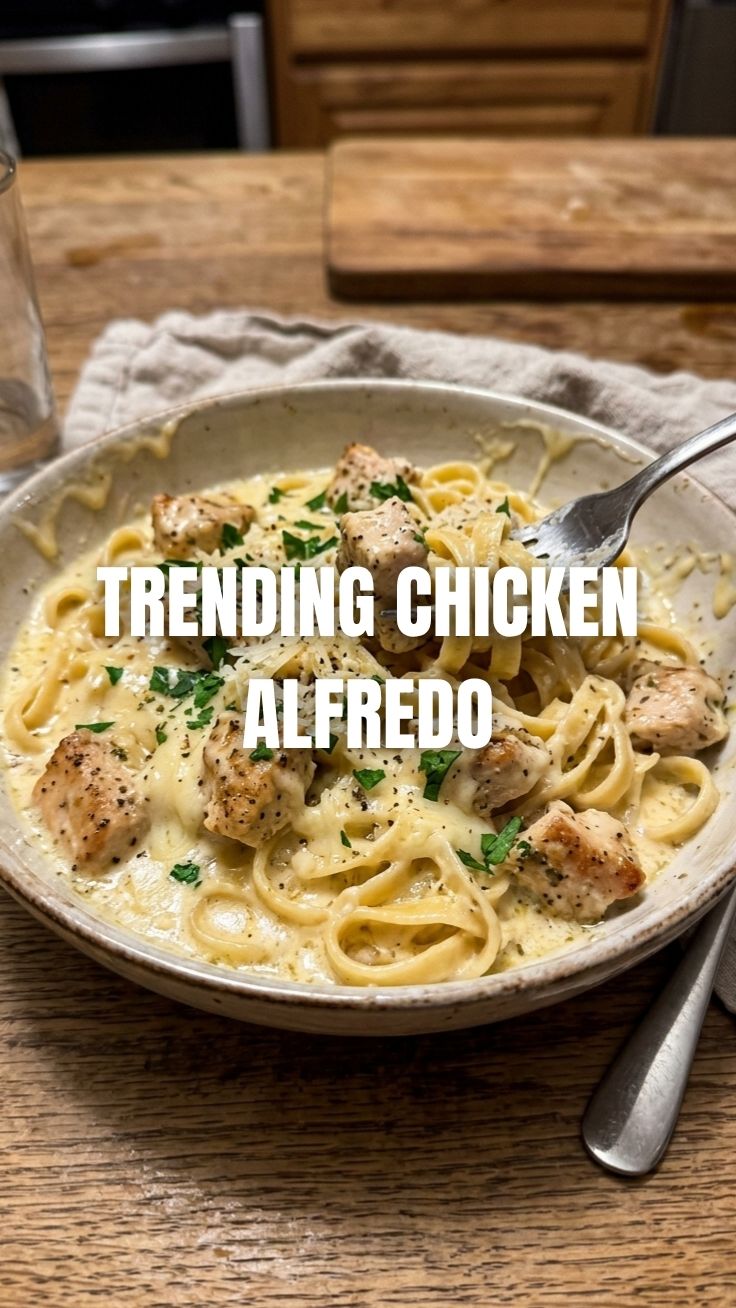
Ever wonder why restaurant-quality Italian dishes often taste so much better, richer, and more satisfying? The secret often lies in fresh ingredients, precise techniques, and a touch of culinary love. Today, we’re diving deep into crafting a dish that embodies all of these: a truly sublime Chicken Alfredo. Forget dry, bland versions – we’re talking about a velvety, luscious sauce coating perfectly cooked chicken and pasta, a symphony of flavors that will transport your taste buds straight to Italy. Preparing this classic at home isn’t just about saving money; it’s about customizing it to your exact preferences, ensuring every bite is pure bliss, and truly appreciating the effort that goes into creating something delicious from scratch.
Ingredients & Kitchen Tools
- Penne or Fettuccine Pasta (1 lb): The foundation of our dish. Penne holds sauce well in its ridged tubes, while fettuccine offers long, satisfying strands.
- Chicken Breasts (2 large, boneless, skinless): Lean protein, cut into bite-sized pieces for quick cooking and even distribution. Look for organic or free-range for best flavor.
- Heavy Cream (2 cups): The star of our sauce, providing unparalleled richness and body. Do not substitute with half-and-half or milk for authentic Alfredo.
- Parmesan Cheese (1 ½ cups, freshly grated): Essential for that sharp, nutty, umami flavor. Freshly grating is crucial – pre-grated cheeses often contain anti-caking agents that affect melt.
- Butter (½ cup, unsalted): Provides a rich base for the sauce and helps emulsify the ingredients. Unsalted gives you control over seasoning.
- Garlic (4 cloves, minced): Aromatic backbone of the sauce, adding depth and warmth.
- Olive Oil (1 tbsp): For sautéing the chicken.
- Salt & Black Pepper (to taste): Essential for seasoning both the chicken and the sauce.
- Fresh Parsley (¼ cup, chopped): For garnish, adding a touch of freshness and color.
- Large Pot: For boiling pasta.
- Large Skillet/Sauté Pan: For cooking chicken and making the sauce.
- Whisk: For combining sauce ingredients smoothly.
- Tongs: For tossing pasta and chicken.
- Grater: For fresh Parmesan.
Prep Time & Cooking Schedule
- Prep Time: 15 minutes (slicing chicken, mincing garlic, grating cheese).
- Cooking Time: 25-30 minutes (cooking pasta, chicken, and sauce).
- Resting Time: 5 minutes (for sauce to thicken slightly and flavors to meld before serving).
Allocate approximately 45-50 minutes from start to finish. This recipe is perfect for a weeknight meal when you want something satisfying without spending hours in the kitchen, or for impressing guests with a seemingly complex dish that’s surprisingly straightforward.
Step-by-Step Instructions
1. Cook the Pasta: Bring a large pot of salted water to a rolling boil. Add your chosen pasta (penne or fettuccine) and cook according to package directions until al dente. Reserve about ½ cup of pasta water before draining.
2. Sauté the Chicken: While the pasta cooks, heat olive oil in a large skillet over medium-high heat. Add the bite-sized chicken pieces, season with salt and pepper, and cook until golden brown and cooked through (internal temperature should reach 165°F), about 5-7 minutes. Remove chicken from the skillet and set aside.
3. Make the Alfredo Sauce: Reduce heat to medium. Add butter to the same skillet, melting it completely. Add minced garlic and sauté for 1 minute until fragrant (do not let it brown).
4. Add Cream & Cheese: Slowly pour in the heavy cream, stirring constantly with a whisk. Bring to a gentle simmer, then reduce heat to low. Gradually add the freshly grated Parmesan cheese, whisking continuously until the cheese is fully melted and the sauce is smooth and creamy. If the sauce is too thick, whisk in a tablespoon or two of the reserved pasta water. Season the creamy Chicken Alfredo sauce with additional salt and pepper to taste.
5. Combine & Serve: Add the cooked chicken back to the skillet with the sauce. Add the drained pasta and toss gently to coat everything evenly. Garnish generously with fresh parsley. For a delightful alternative, consider serving with a side of Chicken Parmesan for a true Italian feast!
Nutritional Benefits & Advantages
This dish, while rich, offers several nutritional benefits. Chicken provides lean protein essential for muscle repair and growth. Parmesan cheese contributes calcium for bone health. While heavy cream is high in fat, it provides energy and helps with the absorption of fat-soluble vitamins. Preparing it at home allows you to control the quality of ingredients, opting for organic chicken or grass-fed dairy, and to manage portion sizes more effectively than restaurant versions.
Tips, Variations & Cooking Advice
- Spice It Up: Add a pinch of red pepper flakes to the sauce for a subtle kick.
- Vegetable Boost: Sauté some mushrooms, spinach, or broccoli along with the chicken for added nutrients and texture.
- Herbaceous Notes: Experiment with other fresh herbs like thyme or oregano, added with the garlic.
- Gluten-Free: Easily make this dish gluten-free by using your favorite gluten-free pasta.
- Dairy-Free (Careful!): Achieving a true dairy-free Alfredo is challenging. You’d need specific dairy-free cream and Parmesan alternatives, which may alter the classic flavor profile significantly.
Common Mistakes to Avoid
- Overcooking Pasta: Al dente is key! Overcooked pasta gets mushy and doesn’t hold the sauce well.
- Skimping on Parmesan: Pre-grated cheese often has anti-caking agents that can make your sauce gritty. Freshly grate for the best results.
- Boiling the Sauce: Simmer gently. Boiling cream can cause it to break or curdle.
- Under-seasoning: Taste and adjust! Salt and pepper are crucial for bringing out the flavors.
- Not Reserving Pasta Water: That starchy water helps to emulsify the sauce and get it to the perfect consistency.
Storage & Meal Prep Tips
Leftover Chicken Alfredo can be stored in an airtight container in the refrigerator for up to 3-4 days. When reheating, gently warm on the stovetop over low heat, adding a splash of milk or cream to loosen the sauce if it has thickened too much. Freezing is generally not recommended for cream-based sauces as they can separate upon thawing. However, you can cook the chicken ahead of time and store it separately for easy meal prep.
Conclusion
There you have it – a foolproof guide to creating an authentic and incredibly delicious Chicken Alfredo right in your own kitchen! From the initial sauté of the perfectly seasoned chicken to the rich, velvety embrace of the homemade Alfredo sauce and the perfectly al dente pasta, every step contributes to a dish that rivals any restaurant offering. This recipe not only delivers on flavor but also allows for personalization, making it a versatile staple. So, roll up your sleeves, gather your ingredients, and prepare to impress your family and friends. And for those nights you’re craving something else, remember that the skills you’ve learned here can be applied to other Italian favorites, perhaps even a fantastic Chicken Parmesan. Don’t be shy – give it a try and share your delightful creations with us!
FAQs
Q1: Can I use milk instead of heavy cream?
A1: While you can, it’s not recommended for authentic Alfredo as it won’t achieve the same rich, velvety texture. Milk is much thinner and may result in a watery sauce.
Q2: My sauce is too thick / thin. How do I fix it?
A2: If too thick, whisk in a tablespoon or two of reserved pasta water until it reaches your desired consistency. If too thin, gently simmer for a few more minutes over low heat, stirring constantly, until it reduces slightly.
Q3: Can I make this with shrimp instead of chicken?
A3: Absolutely! Shrimp Alfredo is a delicious alternative. Cook the shrimp until pink and opaque (about 2-3 minutes per side) before adding it to the sauce.
Q4: What’s the best way to prevent the sauce from separating?
A4: Use freshly grated Parmesan, add the cheese gradually while whisking constantly, and keep the heat low when adding the cream and cheese. Avoid bringing the sauce to a rolling boil.
Q5: How do I store leftover Parmesan cheese?
A5: For best flavor and shelf life, store whole blocks of Parmesan in parchment paper then wrapped in plastic wrap in the refrigerator. Grated Parmesan should be stored in an airtight container for up to 2 weeks.