Unlock the Ultimate Comfort: Mastering the Art of Cheesy Potato Goodness
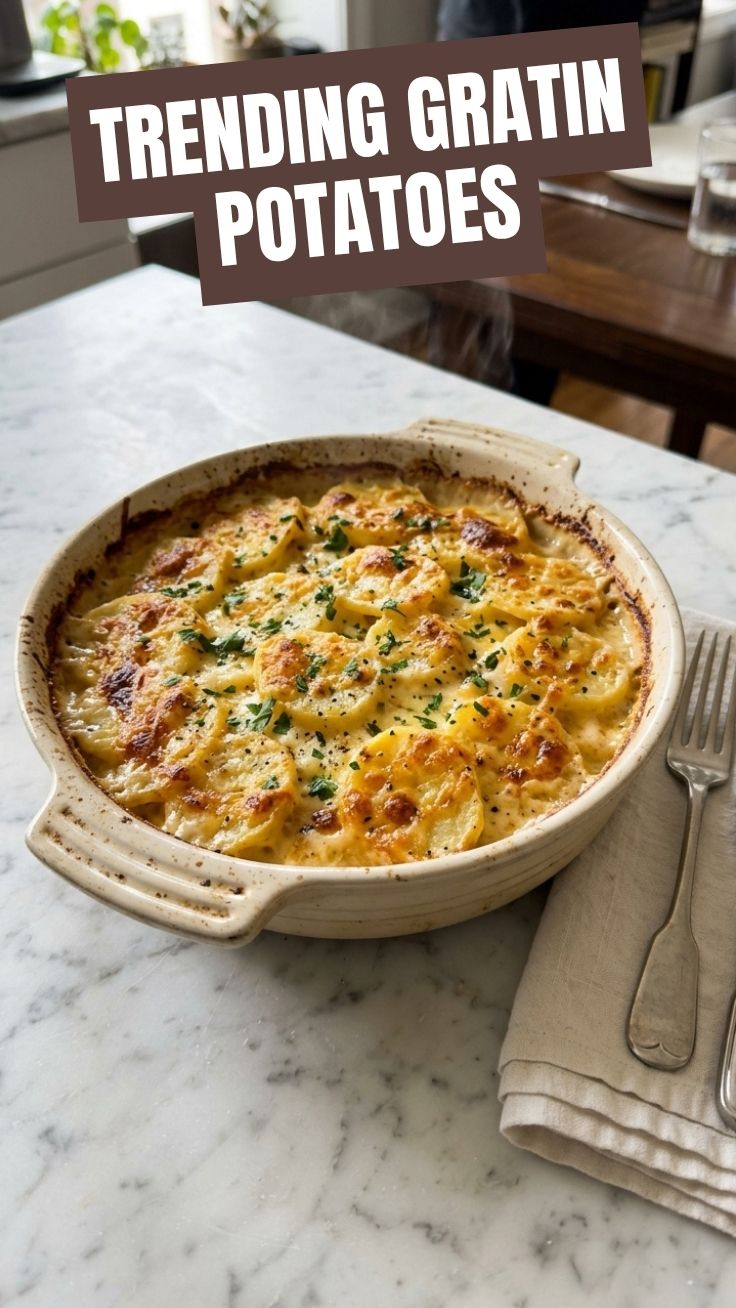
Ever wondered how to create that irresistibly creamy, cheesy, and utterly satisfying potato dish that transforms any meal into a special occasion? Preparing it at home isn’t just about saving money; it’s about customizing flavors, ensuring fresh ingredients, and the immense satisfaction of serving a dish loved by everyone. Today, we’re diving deep into crafting the perfect potato bake, a versatile and delectable side dish that truly shines. We’ll explore the nuances between a savory Au Gratin Potatoes and a classic Scalloped Potatoes, ensuring you master both for a culinary repertoire that impresses.
Ingredients & Kitchen Tools
Gather your culinary arsenal for this delicious journey:
- Potatoes (2.5-3 lbs): Russet or Yukon Gold are ideal for their starch content, leading to a creamier texture. Opt for firm, unblemished potatoes.
- Heavy Cream (2 cups): The secret to ultimate richness. Full-fat is recommended for the best results.
- Milk (1 cup): Whole milk adds to the creaminess without being overly heavy.
- Garlic (3-4 cloves): Minced, for aromatic depth. If fresh isn’t available, granulated garlic can be used (1 tsp).
- Onion (1 small): Finely diced, for a subtle sweetness and flavor base.
- Butter (4 tbsp): Unsalted, for sautéing and enriching the sauce.
- All-Purpose Flour (3 tbsp): To create a roux, thickening the sauce. Gluten-free flour can be substituted.
- Gruyère Cheese (1 cup, shredded): Adds a nutty, complex flavor that melts beautifully. Cheddar or Parmesan are good alternatives.
- Parmesan Cheese (½ cup, grated): For a salty, sharp finish and a golden crust.
- Nutmeg (½ tsp): Freshly grated, to enhance the dairy and potato flavors. Don’t skip this, it makes a surprising difference!
- Salt & Black Pepper (to taste): Essential for seasoning throughout the layers.
- 9×13 inch Baking Dish: Glass or ceramic is preferred for even cooking.
- Mandoline Slicer or Sharp Knife: For uniformly thin potato slices. A mandoline makes this much easier and faster.
- Large Saucepan: For preparing the creamy sauce.
- Whisk: To ensure a smooth, lump-free sauce.
Prep Time & Cooking Schedule
- Prep Time: 25-30 minutes (This includes peeling, slicing potatoes, and preparing the sauce.)
- Cook Time: 60-75 minutes (Until golden brown and bubbly.)
- Resting Time: 10-15 minutes (Crucial for the layers to set and the sauce to thicken slightly, preventing a runny dish.)
Plan your meal around this timing. You can prepare the sauce and slice the potatoes up to a day in advance, storing them separately, to streamline your cooking day.
Step-by-Step Instructions
1. Preheat & Prep: Preheat your oven to 375°F (190°C). Lightly butter or grease your 9×13 inch baking dish. Peel the potatoes and slice them uniformly thin, about 1/8 inch thick. A mandoline works wonders here.
2. Sauté Aromatics: In a large saucepan over medium heat, melt the butter. Add the finely diced onion and sauté until softened and translucent, about 5-7 minutes. Add the minced garlic and cook for another minute until fragrant, being careful not to burn it.
3. Make the Roux: Sprinkle the flour over the softened onions and garlic. Cook, stirring constantly, for 1-2 minutes to create a roux. This will prevent lumps.
4. Create the Cream Sauce: Slowly whisk in the milk and heavy cream until smooth. Bring the mixture to a gentle simmer, stirring occasionally, until it thickens slightly (about 5-7 minutes). Remove from heat.
5. Season the Sauce: Stir in the nutmeg, salt, and black pepper. Taste and adjust seasoning as needed. Then, stir in the shredded Gruyère cheese until melted and fully incorporated into the creamy mixture. This is the heart of your savory Au Gratin Potatoes.
6. Layering Magic: Arrange a single layer of sliced potatoes in the prepared baking dish, overlapping them slightly. Pour about one-third of the cheese sauce evenly over the potatoes. Repeat this layering process twice more, ending with a generous layer of sauce on top.
7. The Cheesy Topping: Sprinkle the grated Parmesan cheese evenly over the top layer of sauce and potatoes. For a classic Scalloped Potatoes finish, ensure good coverage.
8. Bake to Perfection: Cover the baking dish loosely with foil and bake for 45 minutes. Remove the foil and continue baking for another 15-30 minutes, or until the potatoes are fork-tender, the sauce is bubbly, and the top is golden brown and caramelized.
9. Rest & Serve: Let the dish rest for 10-15 minutes before serving. This allows the sauce to set and makes for easier, cleaner serving.
Nutritional Benefits & Advantages
Potatoes, often misunderstood, are a powerhouse of nutrition when prepared thoughtfully. They are an excellent source of Vitamin C, a powerful antioxidant, and B6, crucial for brain health. They also provide a significant amount of potassium, vital for blood pressure regulation, and dietary fiber, which aids digestion. When combined with dairy, this dish offers calcium for bone health and protein. While rich, homemade versions allow for control over saturated fat and sodium, making it a more wholesome choice than many restaurant alternatives.
Tips, Variations & Cooking Advice
- Spice It Up: Add a pinch of cayenne pepper or a dash of hot sauce to the cream sauce for a subtle kick.
- Herbaceous Delight: Incorporate fresh thyme, rosemary, or chives into the sauce for an aromatic twist.
- Cheese Blends: Experiment with other melting cheeses like Fontina, Provolone, or a sharp white cheddar for different flavor profiles.
- Make it Lighter: For a slightly lighter version, substitute some of the heavy cream with half-and-half or whole milk, though this will slightly reduce richness.
- Add Vegetables: Layer in thinly sliced leeks, sautéed mushrooms, or baby spinach for added nutrients and flavor.
- Individual Portions: Bake in ramekins for elegant single servings. Adjust baking time accordingly.
Common Mistakes to Avoid
- Uneven Potato Slices: This leads to some potatoes being undercooked and others overcooked. Use a mandoline for consistency.
- Overcooking Garlic: Burnt garlic tastes bitter. Sauté gently until fragrant, then remove from heat if needed.
- Ignoring Resting Time: Cutting into the dish immediately will result in a runny, messy presentation. Patience is key!
- Lack of Seasoning: Potatoes absorb a lot of salt. Taste your cream sauce before layering and season aggressively but carefully.
- Not Covering Initially: Covering with foil prevents the top from browning too quickly and ensures the potatoes cook through before the surface becomes too dark.
Storage & Meal Prep Tips
Leftovers can be stored in an airtight container in the refrigerator for up to 3-4 days. While technically freezable, the texture of the potatoes can become mealy upon thawing, so it’s best enjoyed fresh or from refrigeration. To reheat, cover with foil and warm in a preheated oven at 300°F (150°C) until heated through, or microwave individual portions. For meal prep, you can assemble the dish completely and refrigerate it unbaked for up to 24 hours. Just add 15-20 minutes to the baking time if baking directly from cold.
Conclusion
Mastering the art of a perfectly baked potato bake is a rewarding culinary achievement that brings warmth and joy to any table. By understanding the nuances of creating a velvety sauce and layering with precision, you can effortlessly create a dish that rivals any restaurant. Whether you prefer the cheesy crust of Au Gratin Potatoes or the comforting simplicity of Scalloped Potatoes, this recipe provides the foundation for endless delicious possibilities. Don’t hesitate to try this recipe; your taste buds (and your family) will thank you! Share your creations and tips in the comments below!
FAQs
Q1: Can I use different types of potatoes?
A1: While Russet and Yukon Gold are recommended for their starch and texture, red or new potatoes can be used, but the consistency may be slightly different—less creamy, more firm.
Q2: How can I prevent the sauce from curdling?
A2: Ensure your milk and cream are at room temperature before adding them to the roux. Whisk continuously and bring the sauce to a gentle simmer, avoiding a rolling boil.
Q3: My potatoes are still hard after the recommended cooking time. What went wrong?
A3: This usually means your potato slices were too thick, or your oven temperature was inconsistent. Ensure uniform, thin slices and verify your oven’s accuracy with an oven thermometer if needed.
Q4: Can I make this dairy-free?
A4: Yes, you can substitute heavy cream and milk with full-fat, unsweetened cashew or oat milk, and use dairy-free butter and plant-based shreds for the cheese. The flavor and texture will be different but still delicious.
Q5: How can I achieve an extra crispy top layer?
A5: After removing the foil, you can briefly increase the oven temperature to 400°F (200°C) for the last 5-10 minutes of baking, or even finish it under the broiler for a minute or two (watch carefully!).