The Secret to Perfect Homemade Falafel: Crispy, Flavorful & Unforgettable
Tired of dry, uninspired falafel? Imagine biting into a perfectly golden-brown, crispy exterior yielding to a tender, herbaceous interior, bursting with Middle Eastern flavors. That’s the magic of Falafel (Homemade). While often seen as a street food staple, preparing this iconic dish in your own kitchen elevates it to an entirely new level. Not only can you control the freshness and quality of every ingredient, but you can also customize the spices to suit your palate. The humble Chickpea transforms into a culinary masterpiece with just a few simple steps, resulting in a dish that’s both satisfying and surprisingly easy to make.
Ingredients & Kitchen Tools
- Dried Chickpeas (1.5 cups): Not canned! Dried chickpeas are crucial for the right texture and to prevent a mushy falafel.
- Fresh Parsley (1 cup packed): Adds vibrant color and fresh, earthy flavor.
- Fresh Cilantro (1/2 cup packed): Complements the parsley with a bright, citrusy note.
- Yellow Onion (1/2, medium): Provides aromatic depth.
- Garlic Cloves (4-5): For a pungent, essential flavor.
- All-Purpose Flour (2-3 tablespoons): Acts as a binder. Gluten-free flour can be substituted.
- Baking Powder (1 teaspoon): Helps achieve a light, airy texture.
- Cumin (1 teaspoon, ground): The quintessential falafel spice.
- Coriander (1 teaspoon, ground): Adds a warm, citrusy undertone.
- Cayenne Pepper (1/2 teaspoon or to taste): For a gentle kick. Optional.
- Salt (1 teaspoon, or to taste): Enhances all the flavors.
- Black Pepper (1/2 teaspoon): For a touch of warmth.
- Vegetable Oil (4-6 cups): For deep frying. Canola or sunflower oil also works.
- Food Processor: Essential for grinding the chickpea mixture.
- Deep Pot or Dutch Oven: For safe deep frying.
- Slotted Spoon or Spider: For removing falafel from oil.
- Falafel Scoop (optional): For uniform shapes.
- Large Mixing Bowl: For combining ingredients.
- Measuring Cups & Spoons: For accurate ingredient amounts.
Prep Time & Cooking Schedule
- Soaking Time: 12-18 hours (overnight for chickpeas) – Do not skip this step!
- Prep Time: 20 minutes
- Resting Time (refrigeration): 30 minutes
- Cooking Time: 15-20 minutes
Plan to start soaking your chickpeas the day before you intend to make the falafel. The resting time for the falafel mixture helps the flavors meld and improves the structure for frying.
Step-by-Step Instructions
1. Soak the Chickpeas: Place the dried Chickpeas in a large bowl and cover them with at least twice their volume of cold water. Let them soak overnight (12-18 hours) until they have expanded significantly. Drain them thoroughly before proceeding.
2. Process the Ingredients: In a food processor, combine the soaked and drained chickpeas, parsley, cilantro, onion, and garlic. Pulse until the mixture is finely ground but still has some texture – it should resemble coarse sand, not a paste. Avoid over-processing, which can lead to a dense falafel.
3. Mix the Dry Ingredients: Transfer the chickpea mixture to a large mixing bowl. Add the flour, baking powder, cumin, coriander, cayenne pepper (if using), salt, and black pepper.
4. Combine and Chill: Mix everything together thoroughly with your hands until well combined. The mixture should hold its shape when pressed. Cover the bowl and refrigerate for at least 30 minutes. This resting time helps the flavors develop and prevents the falafel from crumbling during frying.
5. Shape the Falafel: Using a falafel scoop or your hands, form the mixture into small patties or balls, about 1 to 1.5 inches in diameter.
6. Heat the Oil: Heat 4-6 cups of vegetable oil in a deep pot or Dutch oven over medium-high heat until it reaches 350-375°F (175-190°C). Use a thermometer for accuracy.
7. Fry the Falafel (Homemade): Carefully drop a few falafel into the hot oil, ensuring not to overcrowd the pot. Fry for 3-5 minutes, turning occasionally, until they are golden brown and crispy on all sides.
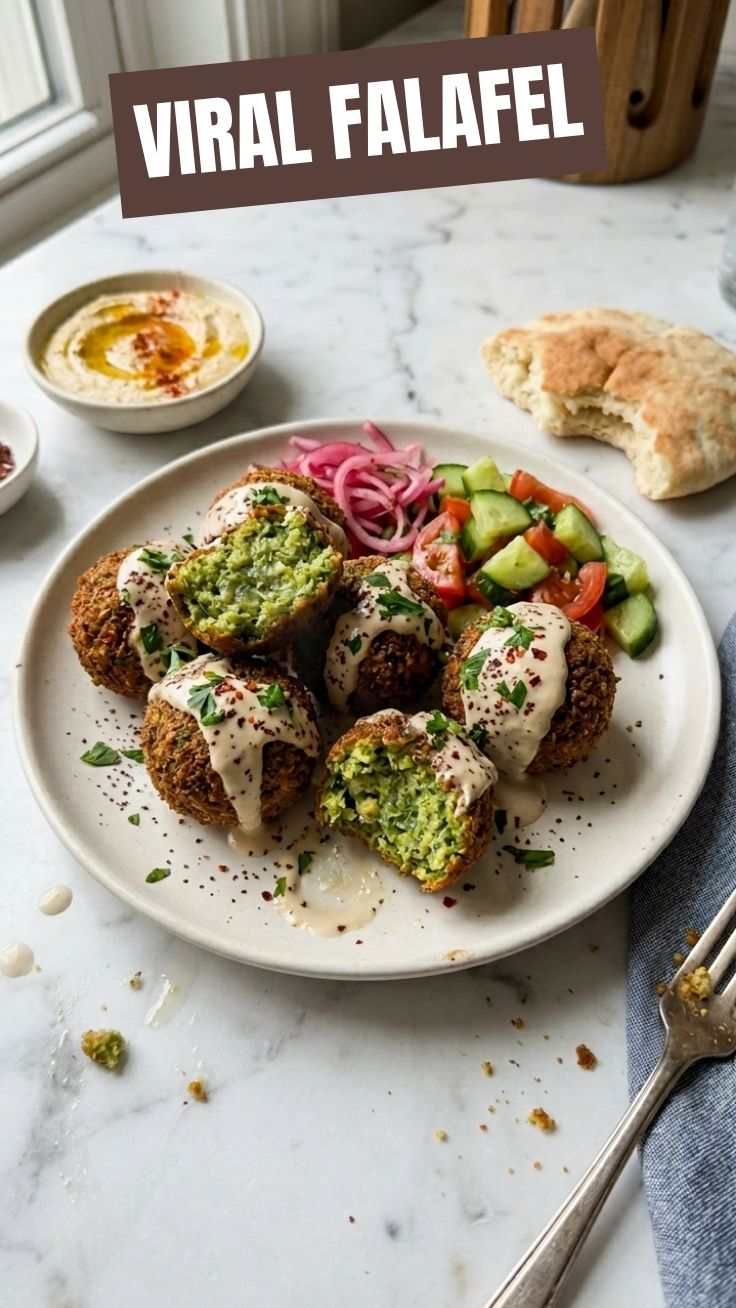
8. Drain and Serve: Remove the fried falafel with a slotted spoon and place them on a plate lined with paper towels to drain excess oil. Serve immediately with tahini sauce, pita bread, salad, or your favorite toppings.
Nutritional Benefits & Advantages
Homemade falafel is a powerhouse of nutrition. Chickpeas are an excellent source of plant-based protein and dietary fiber, promoting satiety and aiding digestion. The fresh herbs contribute vitamins (especially K and C) and antioxidants. Being naturally vegan and gluten-free (if using gluten-free flour), falafel caters to various dietary needs. Opting for homemade means you control the oil quality and quantity, avoiding excessive sodium and unhealthy additives often found in store-bought versions.
Tips, Variations & Cooking Advice
- Spice it up: Add a pinch of turmeric for color, or a dash of smoked paprika for depth.
- Herb Power: Experiment with adding a small amount of fresh mint or dill for an extra layer of flavor.
- Baking Option: For a lighter, healthier alternative, bake the falafel at 400°F (200°C) for 20-25 minutes, flipping halfway, until golden. They won’t be as crispy as fried, but still delicious.
- Air Fryer: Air fry at 375°F (190°C) for 15-20 minutes, shaking the basket occasionally, for a crisper result than baking.
- Serving Suggestions: Enjoy in a pita with hummus, tahini, chopped tomatoes, cucumbers, and pickled turnips, or as part of a meze platter.
Common Mistakes to Avoid
- Using Canned Chickpeas: This is the #1 mistake! Canned chickpeas have too much moisture, resulting in a mushy falafel that won’t hold its shape or get properly crispy. Always use dried, soaked chickpeas.
- Over-processing the Mixture: A paste-like consistency will make the falafel dense. Aim for a slightly coarse, crumbly texture.
- Not Chilling the Mixture: Chilling helps prevent the falafel from falling apart in the hot oil.
- Overcrowding the Pot: This lowers the oil temperature, leading to greasy falafel. Fry in batches.
- Insufficient Oil Temperature: If the oil isn’t hot enough, the falafel will absorb too much oil and be soggy. Too hot, and they’ll burn outside before cooking inside.
Storage & Meal Prep Tips
Leftover falafel can be stored in an airtight container in the refrigerator for up to 3-4 days. To reheat, bake in a preheated oven at 350°F (175°C) for 10-15 minutes, or in an air fryer for 5-7 minutes, to regain some crispiness. Flash-freeze uncooked falafel balls on a baking sheet, then transfer to a freezer-safe bag for up to 3 months. Fry directly from frozen, adding an extra minute or two to the cooking time.
Conclusion
Mastering Falafel (Homemade) is a rewarding culinary journey that brings the authentic flavors of the Middle East right to your table. From the initial soak of the humble Chickpea to the final golden-brown bite, every step guarantees a dish that’s superior to anything store-bought. Don’t be intimidated; with a little preparation and these detailed instructions, you’ll be creating delicious, crispy, and flavorful falafel that will impress family and friends alike. Give it a try, experiment with your favorite spices, and share your delightful creations with us!
FAQs
- Can I use canned chickpeas? No, it’s highly recommended to use dried chickpeas soaked overnight. Canned chickpeas have too much moisture and won’t yield the desired crispy texture.
- My falafel is falling apart in the oil. What went wrong? This usually indicates the mixture is too wet, hasn’t been chilled long enough, or the oil temperature is too low. Try adding a little more flour and chilling longer.
- How do I make my falafel extra crispy? Ensure your oil is at the correct temperature (350-375°F / 175-190°C) and avoid overcrowding the pot, which lowers the oil temperature.
- Can I bake or air fry falafel instead of frying? Yes, you can, but the texture will be different. Baked or air-fried falafel will be less crispy, but still delicious and a healthier option.
- What are good sauces to serve with falafel? Tahini sauce is traditional and highly recommended. Hummus, garlic sauce (toum), and fresh yogurt-cucumber dips also pair wonderfully.