From Sicily with Love: Mastering Authentic Pasta alla Norma at Home
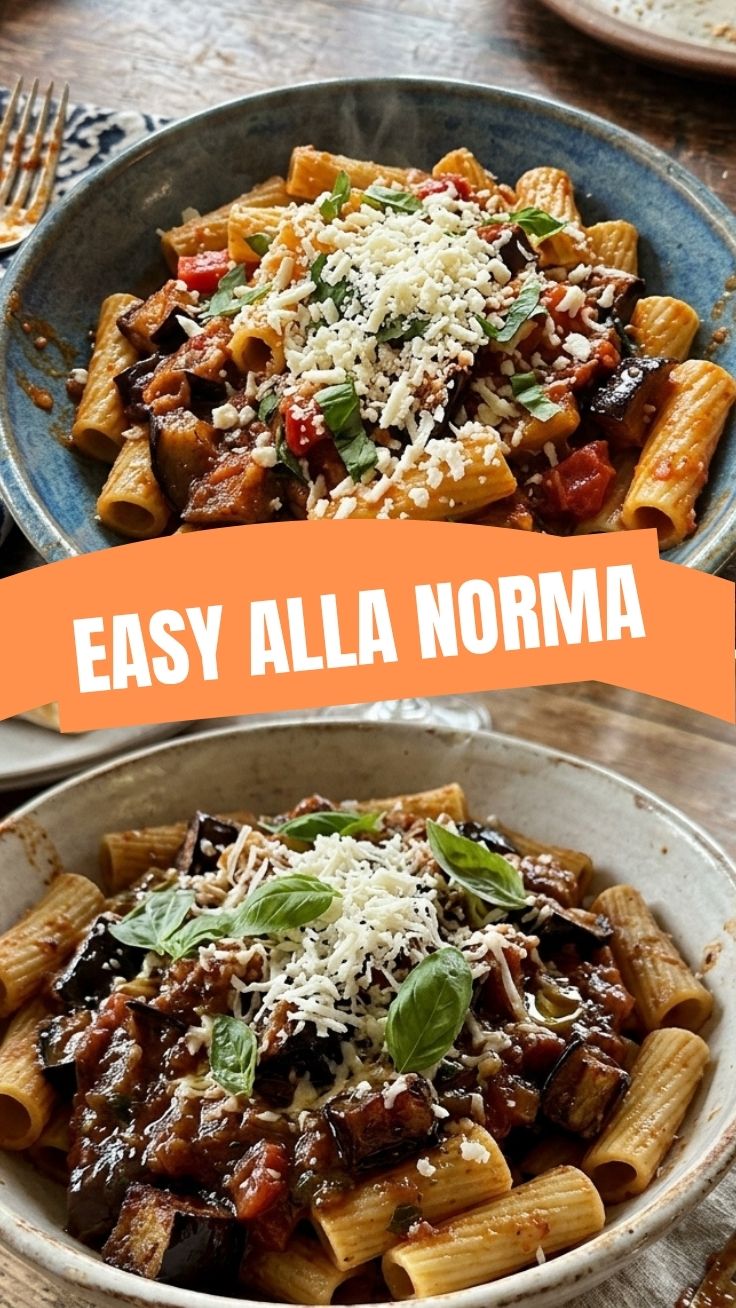
Craving a taste of the Mediterranean? Imagine a dish where sun-ripened tomatoes, tender eggplant, and fragrant basil unite in a symphony of flavors. This is the magic of Pasta alla Norma (Eggplant), a true jewel of Sicilian cuisine. Preparing this iconic dish at home is not just about cooking; it’s about embarking on a culinary journey, bringing the vibrant spirit of Sicily directly to your table, and savoring genuine flavors that nourish both body and soul. No need for a plane ticket when you can create such an exquisite and satisfying meal right in your own kitchen!
Ingredients & Kitchen Tools
Here’s what you’ll need to craft your perfect Pasta alla Norma:
- 2 large eggplants (about 2.5 lbs total): Choose firm, glossy eggplants without blemishes for the best texture and flavor. These are the star of our Pasta alla Norma (Eggplant).
- 1 lb short pasta (rigatoni, paccheri, or penne): Traditionally, rigatoni or maccheroni is used. Pick a shape that can hold rich sauce well.
- 1 (28-ounce) can crushed tomatoes: High-quality San Marzano tomatoes are recommended for their sweet, balanced flavor.
- 4-5 cloves garlic, thinly sliced: Releases aromatic notes when gently sautéed.
- 1/2 cup fresh basil leaves, torn: Essential for that fresh, peppery aroma characteristic of Sicilian cuisine.
- 1/4 teaspoon red pepper flakes (optional): Adds a subtle kick; adjust to your preference.
- 1/4 cup extra virgin olive oil, plus more for frying eggplant: A foundational ingredient for flavor and cooking.
- Salt and freshly ground black pepper to taste: Seasoning is key to enhancing all the flavors.
- 1/2 cup ricotta salata, grated: This firm, salty cheese is traditional. Pecorino Romano or even Parmesan can be substituted.
- Large heavy-bottomed pot or Dutch oven: For the tomato sauce.
- Large skillet or deep fryer: For frying the eggplant.
- Colander: For draining pasta and eggplant.
- Slotted spoon: For removing fried eggplant.
- Paper towels: To blot excess oil from eggplant.
Prep Time & Cooking Schedule
- Prep time: 30 minutes (includes salting and resting eggplant)
- Cook time: 45 minutes
- Total time: 1 hour 15 minutes
The most time-consuming part is salting and frying the eggplant, so plan to start this first. The eggplant benefits from resting for at least 20-30 minutes after salting to draw out moisture, ensuring a creamier texture when cooked. While the eggplant rests, you can prepare your tomato sauce, bringing efficiency to your kitchen.
Step-by-Step Instructions
1. Prepare the Eggplant: Wash and trim the ends of the eggplants. Cut them into 1/2-inch thick rounds or cubes. Place the eggplant pieces in a colander, sprinkle generously with salt, and let them rest for at least 20-30 minutes. This draws out bitter juices and excess moisture, ensuring tender, less oily fried eggplant. Pat them thoroughly dry with paper towels before frying.
2. Fry the Eggplant: In a large skillet, heat about 1/2 inch of olive oil over medium-high heat. Fry the eggplant in batches until golden brown and tender on both sides. This is a crucial step for achieving the characteristic flavor of Pasta alla Norma (Eggplant). Remove with a slotted spoon and place on a plate lined with paper towels to drain excess oil. Season lightly with a pinch of salt.
3. Make the Tomato Sauce: In a large pot or Dutch oven, heat 2 tablespoons of olive oil over medium heat. Add the sliced garlic and red pepper flakes (if using) and sauté for 1-2 minutes until fragrant, being careful not to burn the garlic. Stir in the crushed tomatoes, season with salt and pepper, and bring to a simmer. Reduce heat to low, cover, and let it cook for at least 20-25 minutes, allowing flavors to meld. Stir in half of the fresh basil leaves.
4. Cook the Pasta: Bring a large pot of salted water to a rolling boil. Add your chosen short pasta and cook according to package directions until al dente. Reserve about 1 cup of the starchy pasta water before draining.
5. Combine the Dish: Add the cooked and drained pasta directly to the tomato sauce. Toss well to coat. Gently fold in the fried eggplant pieces. If the sauce seems too thick, add a little reserved pasta water until it reaches your desired consistency. This blend of textures and colors is a hallmark of Sicilian cuisine.
6. Serve: Divide the pasta among plates. Garnish generously with the remaining fresh basil leaves and a liberal grating of ricotta salata. Serve immediately.
Nutritional Benefits & Advantages
Pasta alla Norma (Eggplant) is not just delicious; it offers several nutritional benefits. Eggplant is a good source of fiber, vitamins B1 and B6, and minerals like copper and manganese. The lycopene in cooked tomatoes acts as a powerful antioxidant, while extra virgin olive oil provides healthy monounsaturated fats. This dish balances carbohydrates from pasta with vegetables and a flavorful sauce, making it a satisfying and relatively wholesome meal. For those looking for a lighter option, oven-roasted or air-fried eggplant can reduce the oil content.
Tips, Variations & Cooking Advice
- Roast Eggplant Alternative: For a healthier version, toss eggplant cubes with olive oil, salt, and pepper, then roast at 400°F (200°C) for 20-25 minutes until tender and slightly caramelized.
- Spice Level: Adjust red pepper flakes to your preference, or omit entirely for a milder flavor.
- Cheese Options: While ricotta salata is traditional, Pecorino Romano or even a good quality aged Parmesan can be used as alternatives.
- Herb Variations: A sprig of fresh oregano or marjoram can be added to the tomato sauce for an extra layer of Mediterranean flavor.
- Gluten-Free: Use your favorite gluten-free pasta to accommodate dietary needs.
Common Mistakes to Avoid
- Not Salting Eggplant: Skipping this step can result in watery, bitter, or excessively oily eggplant. Don’t rush it!
- Overcrowding the Pan: When frying eggplant, overcrowding lowers the oil temperature, leading to soggy, poorly browned pieces. Fry in batches.
- Burning the Garlic: Garlic cooks quickly. Keep the heat moderate and watch it closely to prevent bitterness.
- Overcooking the Pasta: Always aim for al dente pasta. It will continue to cook slightly when tossed with the hot sauce.
- Using Raw Garlic: For the best flavor, sauté the garlic gently in olive oil to mellow its intensity and infuse the oil.
Storage & Meal Prep Tips
Leftover Pasta alla Norma (Eggplant) can be stored in an airtight container in the refrigerator for up to 3-4 days. It can also be frozen for up to 2-3 months; freeze individual portions for easy reheating. To reheat, gently warm on the stovetop over low heat, adding a splash of water or broth if needed to restore moisture. Avoid microwaving on high, as it can make the pasta mushy. Add fresh basil and more grated ricotta salata after reheating for best flavor and texture.
Conclusion
Bringing the authentic taste of Pasta alla Norma (Eggplant) to your kitchen is a rewarding experience, a true testament to the simple yet profound flavors of Sicilian cuisine. This dish, with its harmonious blend of sweet eggplant, robust tomato, and aromatic basil, truly captures the essence of Mediterranean cooking. We encourage you to try this recipe and share your culinary adventure with us!
FAQs
Q1: Why do I need to salt the eggplant?
A1: Salting draws out excess moisture and bitter compounds, ensuring the eggplant fries up golden brown, tender, and less greasy.
Q2: Can I use pre-made pasta sauce?
A2: While you can, making the sauce from scratch is highly recommended for the authentic flavor and freshness that defines this dish. Quality ingredients make a huge difference here.
Q3: What if I can’t find ricotta salata?
A3: Pecorino Romano is a good substitute. Parmesan can also work, though it has a milder and less salty profile.
Q4: Can I make this dish ahead of time?
A4: You can prepare the tomato sauce and fry the eggplant ahead of time. Store them separately and combine with freshly cooked pasta just before serving for the best results.
Q5: How can I make this dish spicier?
A5: Increase the amount of red pepper flakes to your liking, or add a pinch of dried chili powder to the sauce.