Master the Art of Cacio e Pepe: Your Ultimate Guide to a Roman Classic
Ever wondered if you could recreate the magic of a perfect bowl of pasta with just a few humble ingredients? The answer is a resounding yes! Today, we’re diving deep into the art of making Cacio e Pepe, a dish that epitomizes elegance through simplicity. This iconic Roman creation, renowned for its creamy, peppery embrace of al dente pasta, proves that less truly can be more. Learning to prepare this at home not only saves you a trip to your favorite trattoria but also empowers you with a foundational skill in the realm of authentic Italian pasta recipes. Forget complicated sauces and endless lists of components; Cacio e Pepe is about technique, timing, and a deep appreciation for top-quality ingredients. Let’s unlock the secrets to a truly unforgettable pasta experience.
Ingredients & Kitchen Tools
Crafting the perfect Cacio e Pepe requires precision and the right tools. Here’s what you’ll need:
- 320g Spaghetti or Tonnarelli: Traditional Roman pasta shapes that hold the sauce beautifully. Quality matters here – opt for bronze-die cut pasta if possible for a better texture.
- 150g Pecorino Romano (PDO): A hard, salty sheep’s milk cheese from Lazio. Finely grated, this is the cornerstone of the sauce. Do not substitute with Parmesan for an authentic experience.
- 10-15g Freshly Ground Black Pepper: Not pre-ground! Toasting whole peppercorns and then grinding them just before use is crucial for that intense, aromatic kick that defines this dish.
- Large Pot: For cooking the pasta. Needs to be big enough to allow the pasta to move freely.
- Large Skillet or Sauté Pan: Essential for tossing the pasta and emulsifying the sauce. A wide, shallow pan works best.
- Whisk: To help create a smooth, lump-free cheese sauce.
- Tongs: For handling and tossing the pasta.
- Grater: A fine microplane or box grater for the Pecorino Romano.
Prep Time & Cooking Schedule
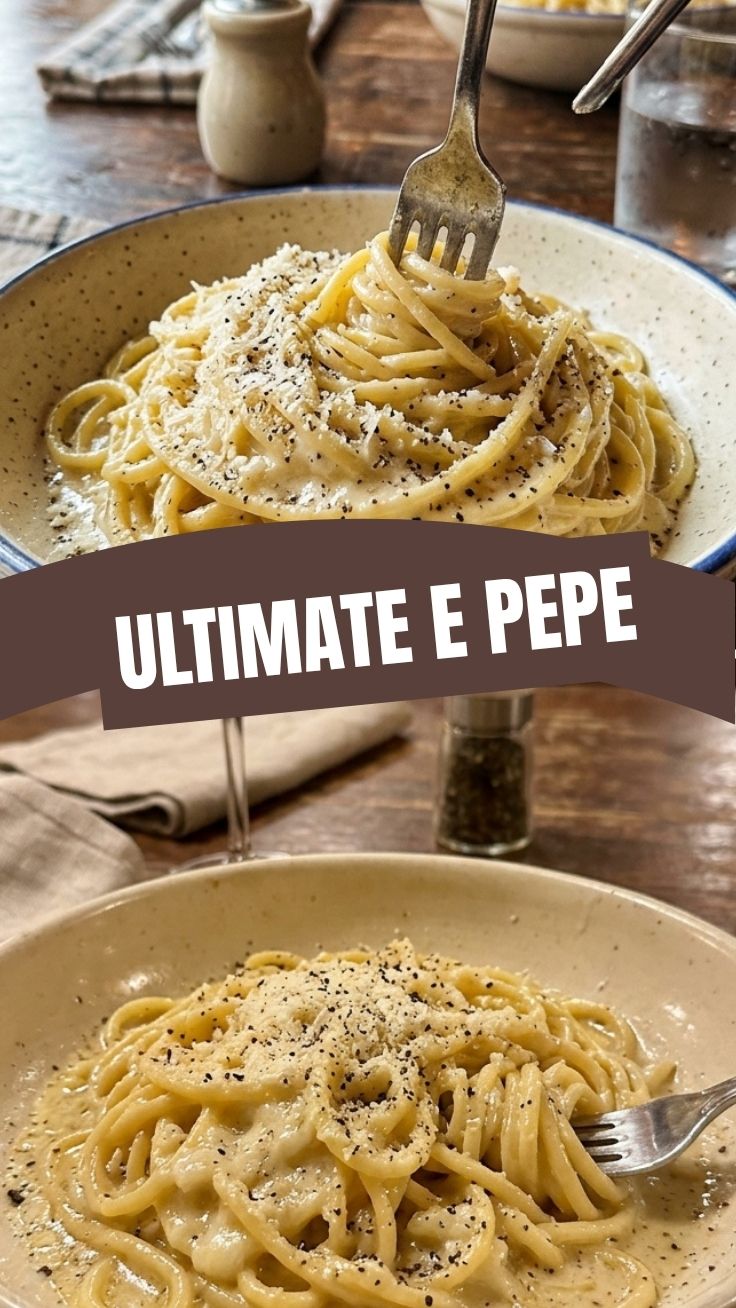
- Prep Time: 10 minutes (mostly grating cheese and grinding pepper)
- Cook Time: 8-10 minutes (pasta cooking time)
- Total Time: 20 minutes
This recipe is incredibly fast, making it perfect for a weeknight meal or a spontaneous craving. The key is to have all your ingredients prepped and ready to go before the pasta hits the water. The timing of each step is crucial for achieving that silky, emulsified sauce, so be prepared to move quickly once the pasta is cooking.
Step-by-Step Instructions
1. Prepare Your Pepper: In a dry skillet over medium-low heat, toast the whole black peppercorns for 1-2 minutes until fragrant. Remove from heat and grind them coarsely. The aroma should be intoxicating!
2. Grate the Pecorino Romano: Finely grate all 150g of Pecorino Romano. Set aside about two tablespoons for garnish.
3. Cook the Pasta: Bring a large pot of unsalted water to a rolling boil. Add the spaghetti or tonnarelli and cook according to package directions, but under-cook it by about 2-3 minutes. We will finish cooking it in the skillet.
4. Create the Pepper Paste: While the pasta cooks, add about half of your freshly ground black pepper to the large skillet (the same one you toasted the pepper in is fine). Add 1-2 tablespoons of the hot pasta water (from the boiling pot) to the skillet and gently swirl or whisk to create a loose pepper paste.
5. Start the Cheese Cream: Once the pasta has about 2-3 minutes left, use tongs to transfer the al dente pasta directly into the skillet with the pepper paste. Add another 1/2 cup of pasta water. Begin vigorously tossing and stirring the pasta.
6. Emulsify the Sauce: Gradually add the grated Pecorino Romano to the skillet, a handful at a time, continuously tossing and stirring. As you add the cheese, drizzle in more pasta water, a tablespoon at a time, as needed. The starch in the pasta water, combined with the heat and constant motion, will emulsify the cheese and pepper into a luscious, creamy sauce that coats every strand of pasta. This is where the magic of Cacio e Pepe truly unfolds.
7. Finish Cooking: Continue tossing and adding small amounts of pasta water until the pasta is perfectly al dente and coated in a smooth, thick sauce. Ensure the sauce isn’t too runny or clumpy. If it’s too thick, add a little more pasta water; if too thin, toss vigorously off the heat for a few more seconds. This technique is central to many traditional Italian pasta recipes.
8. Serve Immediately: Divide the pasta among warm bowls. Garnish with the reserved grated Pecorino Romano and an extra sprinkle of freshly ground black pepper. Serve at once.
Nutritional Benefits & Advantages
Despite its indulgent flavor, Cacio e Pepe offers a surprisingly balanced nutritional profile. Pecorino Romano, while salty, is a good source of calcium, protein, and beneficial probiotics for gut health. Black pepper contains piperine, an active compound known for its antioxidant and anti-inflammatory properties, and can aid in nutrient absorption. The semolina pasta provides complex carbohydrates for sustained energy. As a relatively simple dish, it avoids heavy cream or excessive fats, making it a more wholesome option compared to many other creamy pasta dishes.
Tips, Variations & Cooking Advice
- Pecorino Quality: Do not skimp on the Pecorino Romano. Authentic PDO (Protected Designation of Origin) cheese makes all the difference. Its sharp, salty profile is unique.
Pasta Water is Gold: The starchy pasta water is the* key to a creamy, emulsified sauce. Don’t drain it entirely!
- Temperature Control: Keep your skillet moving and don’t let it get too hot, which can cause the cheese to clump. If the pan gets too hot, remove it from the heat as you add the cheese and pasta water, then return it.
- Spice Level: Adjust the amount of black pepper to your preference. Some prefer a very peppery kick, while others like it more subtle.
Variations: While purists insist on the classic, you could* experiment with a tiny knob of unsalted butter at the very end to enhance creaminess, but use it sparingly. For a subtle citrus note, a tiny grating of lemon zest can also be added, though not traditional.
Common Mistakes to Avoid
1. Using Cold Water: Adding cold water instead of hot pasta water will cause the cheese to seize and clump.
2. Pre-ground Pepper: This lacks the vibrant, pungent flavor of freshly ground, toasted pepper.
3. Overcooking the Pasta: If the pasta is fully cooked before it hits the skillet, it won’t absorb the sauce properly and could become mushy.
4. Adding Cheese Too Soon/Too Fast: This leads to a lumpy or stringy sauce. Add it gradually, with constant motion and pasta water.
5. Not Enough Pepper: The dish is literally named “cheese and pepper” – don’t be shy with the pepper!
Storage & Meal Prep Tips
Cacio e Pepe is best enjoyed immediately. The magic of its emulsified sauce starts to break down quickly as it cools. Leftovers can be stored in an airtight container in the refrigerator for up to 1-2 days, but the texture and creaminess will be compromised. Reheating can be tricky: gently warm in a skillet over low heat, adding a tablespoon or two of water or milk to help loosen the sauce, stirring constantly. Be careful not to overheat, as the cheese can separate. This is not an ideal dish for traditional meal prepping, but prepping ingredients ahead of time makes the cooking process seamless.
Our journey concludes with the delightful realization that culinary mastery doesn’t always demand complex techniques or exotic ingredients. The humble yet majestic Cacio e Pepe stands as a testament to the power of simplicity, elevated by precision and care. By mastering this classic, you’ve not only created a delicious meal but also deepened your appreciation for the foundational elements of authentic Italian pasta recipes. I encourage you to try this recipe, savor every peppery, cheesy bite, and share your experiences! Buon appetito!
FAQs
Q1: Can I use Parmesan instead of Pecorino Romano?
A1: While both are hard Italian cheeses, Pecorino Romano is made from sheep’s milk and has a sharper, saltier, and more pungent flavor crucial for authentic Cacio e Pepe. Parmesan (Reggiano) is cow’s milk-based and has a milder, nuttier profile, which will result in a different, less traditional flavor.
Q2: My sauce is clumpy, what went wrong?
A2: This usually happens if the cheese was added too quickly, the pan was too hot, or not enough starchy pasta water was incorporated. Ensure you add the cheese gradually, off the direct heat if necessary, and continuously toss and add pasta water.
Q3: How do I get more pepper flavor?
A3: Always use freshly ground black pepper from whole peppercorns. Toasting the peppercorns lightly in a dry pan before grinding intensifies their aroma and flavor significantly.
Q4: Can I add garlic or olive oil?
A4: Traditionally, Cacio e Pepe contains only pasta, Pecorino Romano, and black pepper. Adding garlic or olive oil, while delicious in other Italian dishes, would deviate from the purity and classic profile of this particular recipe.
Q5: What pasta shapes work best?
A5: Spaghetti and tonnarelli are the most traditional choices as their long, round strands perfectly capture the creamy sauce. Rigatoni or bucatini can also work in a pinch for a different texture.