Master the Art of Homemade Philly Cheesesteak: Your Ultimate Guide
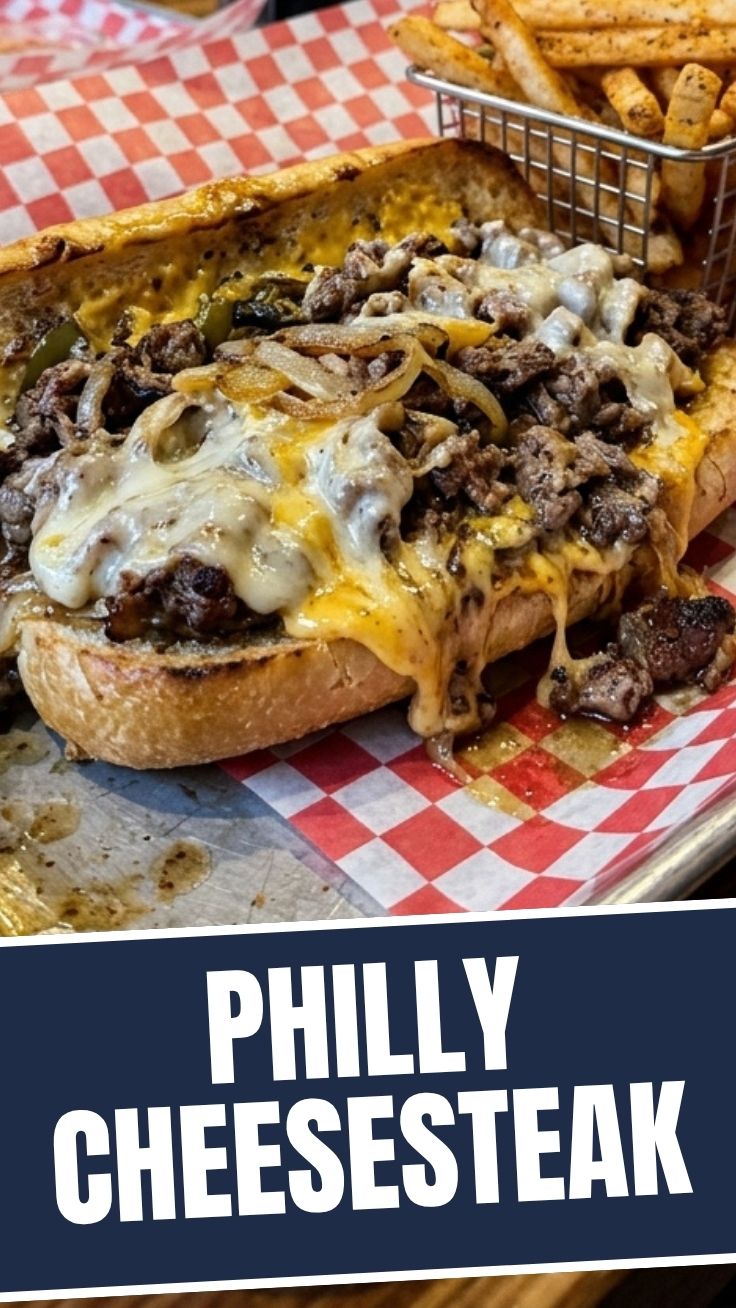
Ever wondered if you could recreate the iconic, mouth-watering taste of a Philly Cheesesteak right in your own kitchen? The answer is a resounding YES! Skip the long lines and embark on a culinary adventure that brings the authentic flavors of Philadelphia straight to your dinner table. Preparing this classic cheesesteak sandwich at home not only saves you money but also allows for complete control over the quality of ingredients, ensuring a fresher and more personalized experience. We’re about to dive deep into every aspect of crafting the perfect cheesesteak sandwich, from choosing the right cuts of meat to achieving that irresistible melty cheese pull. Get ready to elevate your home cooking game and impress your taste buds with this legendary treat.
Ingredients & Kitchen Tools
Crafting the perfect Philly Cheesesteak requires a balance of quality ingredients and the right tools. Here’s what you’ll need:
Ribeye Steak (1.5 lbs, thinly sliced): The traditional choice for its rich marbling and tenderness. Substitution: Sirloin or top round, also thinly sliced for quick cooking.*
Provolone Cheese Slices (12-16 slices): Melts beautifully and offers a classic sharp, tangy flavor. Substitution: Cheez Whiz (for an authentic, albeit processed, experience) or American cheese for a milder melt.*
Large Onions (2, thinly sliced): Caramelize to add sweetness and depth. Clarification: White or yellow onions work best.*
Green Bell Pepper (1, thinly sliced): Adds a touch of freshness and crunch. Optional: Some purists omit this, but it’s a popular addition.*
Hoagie Rolls (4-6, soft and fresh): Essential for absorbing juices without becoming soggy. Clarification: Look for “Amoroso” rolls if you can find them for ultimate authenticity.*
- Unsalted Butter (2 tbsp): For sautéing vegetables and toasting rolls.
- Olive Oil (1 tbsp): For searing the steak.
- Salt & Freshly Ground Black Pepper (to taste): Basic seasonings to enhance flavor.
- Garlic Powder (1 tsp): Adds an aromatic kick to the steak.
Kitchen Tools:
Large Skillet or Griddle: For cooking steak and vegetables efficiently. Clarification: A cast-iron skillet provides excellent heat retention.*
- Spatula (preferably metal): For flipping and chopping the steak.
- Sharp Knife: For thinly slicing ingredients.
- Cutting Board: A stable surface for prep.
- Tongs: Useful for handling steak and rolls.
Prep Time & Cooking Schedule
Planning ahead is key to a seamless cooking experience. This recipe moves quickly, so having everything prepped will ensure success.
- Prep Time: 20-25 minutes (includes slicing steak and vegetables).
- Cook Time: 15-20 minutes (for steak, vegetables, and assembling).
- Resting Time: None required.
- Marinating Time: Not applicable for a traditional cheesesteak sandwich.
Pro Tip: For easier slicing, partially freeze the ribeye steak for 30-45 minutes. This firms it up, allowing for razor-thin cuts against the grain.
Step-by-Step Instructions
Let’s break down the process of creating your perfect Philly Cheesesteak:
1. Prepare the Vegetables: In a large skillet or on a griddle, melt 1 tablespoon of butter over medium heat. Add the thinly sliced onions and bell peppers. Sauté, stirring occasionally, until the onions are caramelized and the peppers are tender-crisp, about 10-12 minutes. Season lightly with salt and pepper. Remove vegetables from the skillet and set aside.
2. Cook the Steak: Add the remaining 1 tablespoon of butter and the olive oil to the same skillet over high heat. Once shimmering, add the thinly sliced ribeye in a single layer if possible. Avoid overcrowding the pan to ensure a good sear. Cook for 1-2 minutes per side until browned, then use your spatula to chop the steak into smaller, bite-sized pieces while it finishes cooking, about 2-3 more minutes. Season generously with salt, pepper, and garlic powder.
3. Combine and Cheese: Reduce the heat to low. Return the cooked onions and peppers to the skillet with the steak, mixing everything together. Divide the mixture into sections on the skillet, roughly the size of your hoagie rolls. Lay 2-3 slices of provolone cheese over each section, allowing it to melt.
4. Prepare the Rolls: While the cheese is melting, lightly toast the hoagie rolls. You can do this by opening them up and placing them cut-side down on a clean section of the skillet for a minute or two, or pop them in a toaster oven.
5. Assemble and Serve: Once the cheese is gloriously melted and gooey, carefully scoop each cheesy steak and veggie section into a hoagie roll using your spatula, ensuring all the delicious juices are captured. Serve your hot and fresh, perfectly crafted cheesesteak sandwich immediately.
Nutritional Benefits & Advantages
While a Philly Cheesesteak might not be a health food staple, it does offer some nutritional advantages. Ribeye steak is an excellent source of protein, essential for muscle repair and growth, and provides iron, which is vital for oxygen transport in the blood. Onions and bell peppers contribute dietary fiber, antioxidants, and vitamins like Vitamin C. When made at home, you can control the amount of fat and sodium, making it a more wholesome choice than restaurant versions. Opting for whole wheat hoagie rolls can further increase fiber content.
Tips Variations & Cooking Advice
- Spice It Up: Add a pinch of red pepper flakes to your vegetables for a subtle heat, or serve with a side of hot cherry peppers.
- Cheese Alternatives: While provolone is classic, experiment with white American cheese for a creamier melt or even cheddar for a sharper flavor.
- Veggies Galore: Feel free to add sautéed mushrooms or jalapeños for extra flavor and texture.
- Dietary Adaptations: For a lower-carb option, serve the cheesesteak mixture over a bed of sautéed greens or in lettuce wraps. Gluten-free rolls are widely available for those with sensitivities.
- Chopping Technique: For a truly authentic experience, many street vendors chop the steak vigorously with two spatulas directly on the griddle. Don’t be afraid to get a little aggressive!
Common Mistakes to Avoid
- Overcrowding the Pan: This is a cardinal sin! Overcrowding lowers the pan’s temperature, steaming the meat instead of searing it, leading to a grey, tough steak. Cook in batches if necessary.
- Underseasoning: Steak needs bold seasoning. Don’t be shy with salt, pepper, and garlic powder.
- Using the Wrong Rolls: A flimsy roll will fall apart. Invest in good quality, sturdy hoagie rolls that can hold up to the juicy filling.
- Overcooking the Steak: Ribeye cooks very quickly when thinly sliced. Keep an eye on it to avoid dry, tough meat.
- Cold Toppings: Ensure your cheese is melted and your steak is piping hot when assembling for the best experience.
Storage & Meal Prep Tips
While a Philly Cheesesteak is best enjoyed fresh, components can be prepped or stored.
- Refrigeration: Cooked steak and vegetable mixture can be stored in an airtight container in the refrigerator for up to 3 days. Do not store assembled cheesesteaks, as the rolls will become soggy.
- Freezing: The cooked steak and vegetable mixture can be frozen for up to 1 month. Thaw overnight in the refrigerator before reheating.
- Reheating: Reheat the mixture in a skillet over medium heat until warmed through. You can cover it briefly to help the cheese melt if adding it at this stage. Toast fresh rolls just before serving.
- Meal Prep: Slice all vegetables and even the steak ahead of time. Store separately in airtight containers in the refrigerator for up to 24 hours.
Conclusion
There you have it – your definitive guide to mastering the homemade Philly Cheesesteak. From the perfectly seared, thinly sliced ribeye to the sweet caramelized onions and the irresistible melt of the provolone, every bite is a journey to Philadelphia. This recipe empowers you to create a legendary cheesesteak sandwich that rivals the best, right in your own kitchen. Don’t hesitate to give it a try; the rich flavors and satisfying textures are truly rewarding. Share your culinary creations with us, and let’s spread the love for this delicious classic!
FAQs
Q1: Can I use different cuts of beef for a cheesesteak?
A1: While ribeye is traditional, you can use sirloin, top round, or even flank steak. The key is to slice it very thinly against the grain for tenderness.
Q2: What’s the best way to slice the steak thinly at home?
A2: Partially freeze the steak for 30-45 minutes. This firms it up, making it much easier to slice super thin with a sharp knife.
Q3: Is Cheez Whiz really authentic for a Philly Cheesesteak?
A3: Yes, Cheez Whiz is indeed considered an authentic option, especially in some of the most famous cheesesteak establishments in Philadelphia. Provolone is also very common.
Q4: How important are the hoagie rolls?
A4: Extremely important! A good quality, soft yet sturdy hoagie roll is crucial. It needs to absorb the juices without falling apart. Look for Amoroso rolls if you can.
Q5: Can I make this in a slow cooker?
A5: A slow cooker isn’t ideal for a traditional cheesesteak as it prevents the browning and searing that gives the steak its characteristic flavor and texture. This recipe thrives on high heat and quick cooking.