Unlock Umami: Crafting the Perfect Hoisin Garlic Noodles at Home
Ever wondered how to bring that irresistible, savory depth of your favorite Asian takeout right into your own kitchen? Today, we’re diving into a dish that promises to do just that – the glorious Hoisin Garlic Noodles. Forget bland weeknight meals; this recipe elevates simple ingredients into a symphony of flavors that will have your taste buds singing. Preparing these exquisite asian noodle recipes at home offers undeniable value: not only do you control the quality of your ingredients, but you also gain the satisfaction of creating a restaurant-worthy dish tailored precisely to your preferences. Let’s embark on this culinary journey and master the art of hoisin-infused delight.
Ingredients & Kitchen Tools
To embark on your journey of crafting these delectable noodles, gather the following:
For the Noodles:
- 1 pound fresh or dried egg noodles (lo mein style): These hold the sauce beautifully. You can substitute with ramen, udon, or even spaghetti in a pinch.
- 1 tbsp sesame oil: Adds a nutty aroma and prevents sticking.
- 1 tsp neutral cooking oil (canola, vegetable, or grapeseed): For sautéing.
For the Sauce:
- ¼ cup Hoisin sauce: The star of the show, providing a sweet, savory, and tangy base. Look for good quality brands for best flavor.
- 2 tbsp soy sauce (low sodium preferred): Adds umami and saltiness. Adjust to taste.
- 1 tbsp rice vinegar: Provides a subtle tang that balances the richness.
- 1 tbsp brown sugar (packed): Enhances sweetness and helps caramelize the sauce.
- 1 tsp fresh ginger, grated: Adds a warm, pungent zing.
- 4-5 cloves garlic, minced: The other key flavor component – don’t skimp!
- ½ tsp red pepper flakes (optional): For a touch of heat.
- 2 tbsp water or chicken broth: To thin the sauce slightly.
For the Stir-Fry:
- 1 tbsp neutral cooking oil: For the stir-fry itself.
- ½ cup onion, thinly sliced: Adds sweetness and texture.
- 1 cup mixed vegetables (e.g., bell peppers, carrots, snap peas, broccoli florets): For color, nutrients, and crunch. Customize with your favorites!
- ½ pound protein of choice (chicken, shrimp, tofu, thinly sliced beef, or even ground pork): Optional, but highly recommended for a complete meal.
Kitchen Tools:
- Large pot: For boiling noodles.
- Large skillet or wok: Essential for stir-frying. A cast-iron skillet also works well.
- Whisk: For combining sauce ingredients.
- Cutting board and sharp knife: For prepping vegetables and protein.
- Measuring cups and spoons: For accurate ingredient quantities.
- Grater or microplane: For ginger.
- Garlic press or knife: For garlic.
- Tongs or chopsticks: For tossing noodles and stir-frying.
Prep Time & Cooking Schedule
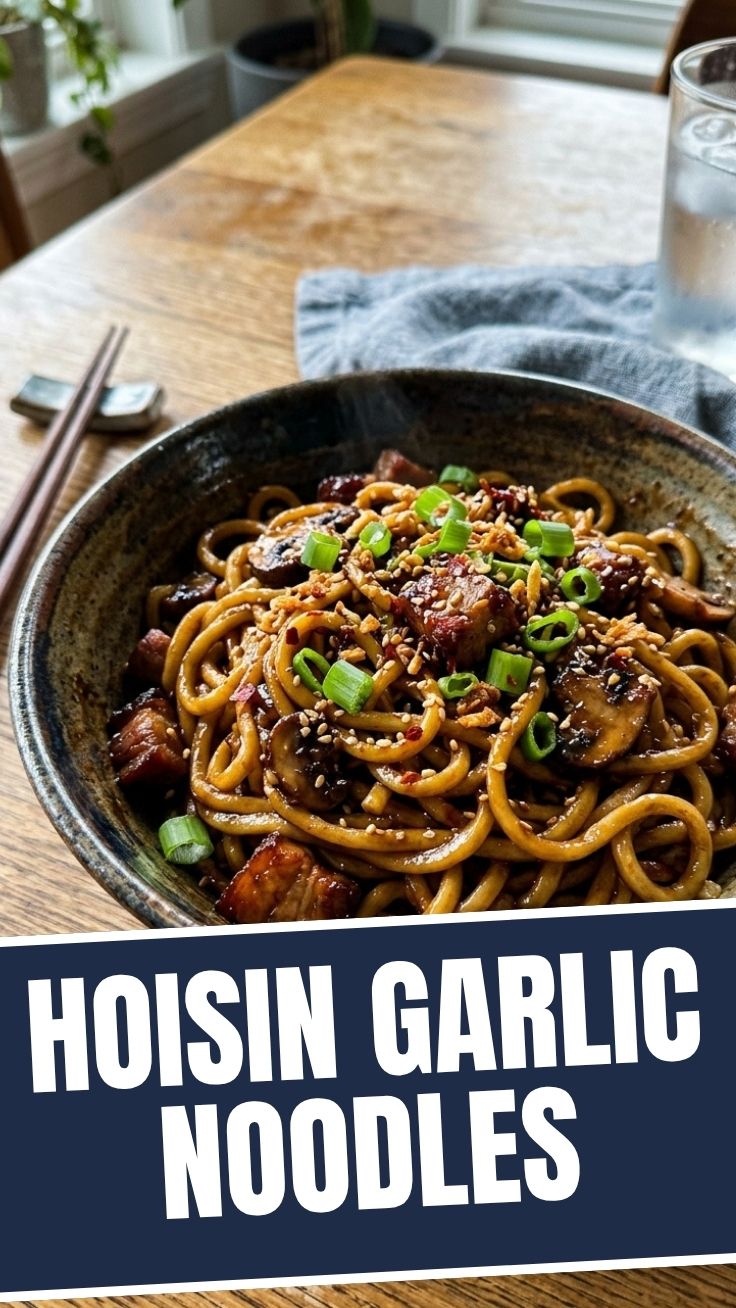
- Prep Time: 15 minutes (Includes chopping vegetables, mincing garlic, grating ginger, and mixing sauce.)
- Cook Time: 15-20 minutes
- Total Time: Approximately 30-35 minutes
This recipe is designed for efficiency! Have all your ingredients pre-chopped and your sauce mixed before you start cooking (“mise en place”). This ensures a smooth stir-fry process and prevents anything from overcooking. The quick cooking time makes it perfect for a satisfying weeknight dinner.
Step-by-Step Instructions
1. Prepare the Noodles: Bring a large pot of salted water to a rolling boil. Add your egg noodles and cook according to package directions until al dente. Drain well, toss with 1 tbsp sesame oil to prevent sticking, and set aside.
2. Whisk the Sauce: In a medium bowl, combine the hoisin sauce, soy sauce, rice vinegar, brown sugar, grated ginger, minced garlic, red pepper flakes (if using), and water or chicken broth. Whisk until sugar is dissolved and the sauce is smooth. This perfectly balanced sauce is what makes these Hoisin Garlic Noodles truly shine.
3. Stir-Fry Protein & Veggies (Optional): Heat 1 tbsp neutral cooking oil in your large skillet or wok over medium-high heat. If using protein, add it to the hot pan and cook until browned and cooked through. Remove and set aside. Add the sliced onion to the pan and cook for 2-3 minutes until softened. Add remaining mixed vegetables and stir-fry for 3-5 minutes, until tender-crisp. Don’t overcrowd the pan; cook veg in batches if necessary for optimal crispness.
4. Combine & Toss: Return cooked protein (if using) to the skillet with the vegetables. Add the cooked noodles. Pour the prepared hoisin-garlic sauce over everything.
5. Finish Cooking: Using tongs or chopsticks, toss constantly for 2-3 minutes, ensuring all the noodles and vegetables are thoroughly coated in the luscious sauce. The noodles will absorb the sauce, and it will slightly thicken and glisten. Taste and adjust seasoning if needed – a pinch more soy sauce for saltiness or a dash more rice vinegar for tang. Master these asian noodle recipes by ensuring even coating and vibrant flavors.
Nutritional Benefits & Advantages
These noodles, especially when loaded with vegetables and lean protein, offer a balanced meal. Hoisin sauce, while sweet, contains fermented soybeans, which may contribute to gut health. Garlic and ginger are renowned for their anti-inflammatory and immune-boosting properties. By choosing whole wheat or brown rice noodles, you can further increase fiber content. The ability to customize ingredients means you can easily make this dish vegetarian, gluten-free, or high in lean protein, catering to specific dietary needs.
Tips Variations & Cooking Advice
- Spice It Up: Add a generous pinch of gochugaru (Korean chili flakes) or a splash of sriracha for more heat.
- Protein Power: Beyond chicken or beef, try shrimp, firm tofu (pressed and pan-fried until crispy), ground pork, or even edamame for a plant-based boost.
- Veggie Wonderland: Don’t be limited by my suggestions! Bok choy, mushrooms, bamboo shoots, and water chestnuts are fantastic additions.
- Nutty Finish: A sprinkle of chopped roasted peanuts or cashews adds a wonderful crunch and extra flavor.
- Garnish Gala: Fresh cilantro, chopped green onions, and a drizzle of chili oil elevate both the visual appeal and the taste.
- Gluten-Free: Use tamari instead of soy sauce and ensure your hoisin sauce is certified gluten-free. Use gluten-free noodles (e.g., rice noodles).
Common Mistakes to Avoid
- Overcooking Noodles: Mushy noodles are a no-go. Cook until just al dente, as they will cook a bit more when tossed with the sauce.
- Overcrowding the Pan: Leads to steaming instead of stir-frying, resulting in soggy vegetables. Cook in batches if your pan isn’t large enough.
- High Heat Neglect: Stir-frying requires constant attention and high heat. Don’t walk away from the wok!
- Skipping the Mise en Place: Having all ingredients prepped before you start cooking is crucial for the fast-paced nature of stir-frying.
Storage & Meal Prep Tips
Storage: Leftovers can be stored in an airtight container in the refrigerator for up to 3-4 days.
Reheating: For best results, gently reheat in a skillet over medium heat with a splash of water or broth to loosen the sauce. You can also microwave, but be careful not to overcook the noodles, which can make them rubbery.
Meal Prep: You can chop all your vegetables and mix the sauce ahead of time (store separately in the fridge). Cook the noodles fresh, or cook them ahead and toss with a little oil to prevent sticking before refrigerating. This significantly cuts down on dinner-time prep.
Conclusion
There you have it – a magnificent, flavor-packed dish that’s surprisingly simple to master. These Hoisin Garlic Noodles are more than just a meal; they’re an experience, a testament to the fact that incredibly delicious asian noodle recipes can be made right in your own kitchen with minimal fuss. We encourage you to try this recipe, experiment with your favorite proteins and vegetables, and share your delicious creations! Get ready to impress your family and friends with this homemade takeout favorite.
FAQs
Q1: Can I make this vegetarian/vegan?
A1: Absolutely! Omit the meat, use firm tofu (pressed and pan-fried until crispy), tempeh, or mushrooms as your protein. Ensure your hoisin sauce is vegan-friendly (some contain honey).
Q2: What kind of noodles work best?
A2: Lo mein or egg noodles (fresh or dried) are ideal. Udon, ramen, spaghetti, or even rice stick noodles can also be used as substitutes, adjusting cooking times accordingly.
Q3: My sauce isn’t thickening. What should I do?
A3: If your sauce seems too thin, let it simmer with the noodles for an extra minute or two over medium-high heat. The starch from the noodles will help it thicken. You can also add a cornstarch slurry (1 tsp cornstarch mixed with 1 tsp cold water) to the sauce in the last minute of cooking, stirring constantly.
Q4: Can I adjust the level of garlic and ginger?
A4: Yes, feel free to increase or decrease the amount of fresh garlic and ginger to suit your taste. For a milder flavor, use less; for a bolder punch, add more!
Q5: What’s the best way to get crispy vegetables in a stir-fry?
A5: Ensure your wok or skillet is very hot before adding vegetables. Don’t overcrowd the pan; cook vegetables in batches if necessary to allow them to sear instead of steam. Keep them moving!