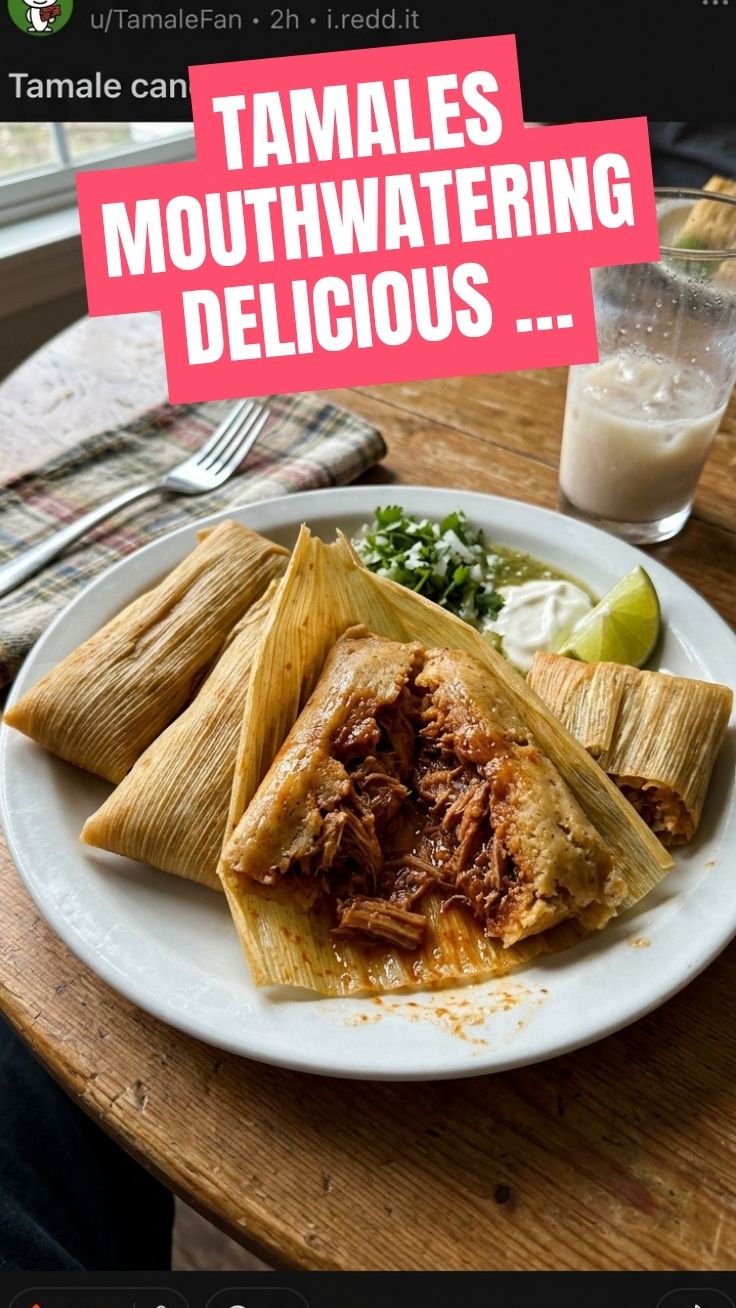
Unwrap the Tradition: Crafting Perfect Tamales (Traditional) at Home
Have you ever savored the rich, comforting taste of a perfectly steamed tamale, then wished you could recreate that magic in your own kitchen? Preparing Tamales (Traditional) from scratch is more than just cooking; it’s an art, a tradition, and a deeply rewarding culinary journey that brings the authentic flavors of Mexico right to your table. In this comprehensive guide, we’ll delve into the secrets of crafting delicious authentic tamales, empowering you to master this beloved dish and impress your family and friends. Forget store-bought imitations; today, we’re making Authentic Mexican Food that truly sings!
Ingredients & Kitchen Tools
Here’s everything you’ll need to embark on your tamale-making adventure:
For the Masa (Dough):
- 3 cups Masa Harina (Nixtamalized Corn Flour): Essential for authentic tamales. Do not substitute with regular cornmeal.
- 2 cups Chicken Broth (warm): Adds flavor and moisture to the masa. Vegetable broth can be used for a vegetarian version.
- 1 cup Lard or Vegetable Shortening (room temperature): Provides rich flavor and tenderness. Lard is traditional, but shortening works well.
- 1 tsp Baking Powder: Helps the tamales become light and fluffy.
- 1 tsp Salt: Enhances the overall flavor.
For the Filling (Pork in Red Chili Sauce – Classic):
- 2 lbs Pork Shoulder (Boston butt), cut into 2-inch chunks: Provides a rich, savory filling.
- 1 large White Onion (roughly chopped): For flavor and aromatic base.
- 4 cloves Garlic (smashed): Adds depth to the sauce.
- 2 Bay Leaves: Infuses a subtle herbal note.
- 1 tbsp Cumin Powder: Earthy and warm, a key Mexican spice.
- 1 tbsp Mexican Oregano: More nuanced and floral than standard oregano.
- 10-12 Dried Guajillo Chiles (stems and seeds removed): Mild and fruity, forms the base of the red sauce.
- 3-4 Dried Ancho Chiles (stems and seeds removed): Darker, richer, and slightly smoky.
- Salt and Pepper (to taste): Seasoning for the pork and sauce.
Other Essentials:
- 30-40 Dried Corn Husks: The traditional wrapper for tamales. Found in Mexican markets or the international aisle of large supermarkets. Soak them in warm water for at least 1 hour before use until pliable.
Kitchen Tools:
- Large Stockpot or Dutch Oven: For cooking the pork and steaming the tamales.
- Large Mixing Bowl: For preparing the masa.
- Electric Mixer (stand or hand-held): Highly recommended for whipping the lard/shortening and incorporating it into the masa for an airy texture.
- Blender: For creating the chili sauce.
- Strainer or Fine-Mesh Sieve: For straining the chili sauce for a smooth consistency.
- Steamer Basket or Rack: Essential for steaming the tamales without submerging them in water.
- Tongs: For handling hot chiles and corn husks.
Prep Time & Cooking Schedule
- Pork Cooking & Shredding: 2-3 hours (includes simmering and cooling)
- Chili Sauce Prep: 30-45 minutes
- Masa Preparation: 20-30 minutes
- Corn Husk Soaking: 1 hour minimum
- Assembly: 1-1.5 hours (can be done with friends for a fun activity!)
- Steaming: 1.5-2 hours
- Resting Time: 15-20 minutes after steaming (crucial for setting)
Plan to dedicate a good chunk of an afternoon to this recipe. The beauty of tamales is that many components can be prepared in advance, making the assembly process smoother.
Step-by-Step Instructions
1. Prepare the Pork Filling: In your stockpot, combine pork shoulder, half of the chopped onion, smashed garlic cloves, bay leaves, salt, and pepper. Cover with water and bring to a boil. Reduce heat, cover, and simmer for 1.5-2 hours, or until pork is fork-tender. Remove pork, reserving the broth. Shred the pork when cool enough to handle.
2. Make the Red Chili Sauce: While the pork cooks, rehydrate the dried chiles. Remove stems and seeds, then place them in a bowl and cover with boiling water. Let them soak for 20-30 minutes until softened. Drain the chiles, reserving a little soaking liquid. Blend the chiles with the remaining chopped onion, a few cloves of fresh garlic, cumin, Mexican oregano, and about 1 cup of the reserved pork broth until smooth. If needed, add a little chile soaking liquid to achieve a pourable consistency. Strain the sauce through a fine-mesh sieve into a saucepan to remove any bits of skin or seeds. Simmer the strained sauce for 10-15 minutes until it thickens slightly and the flavors meld. Season with salt and pepper.
3. Combine Pork and Sauce: Add the shredded pork to the chili sauce. Stir well to coat. This is your flavorful filling for your Tamales (Traditional).
4. Prepare the Masa: In a large bowl, cream the lard or shortening with an electric mixer until light and fluffy (about 5 minutes). In a separate bowl, whisk together the masa harina, baking powder, and salt. Gradually add the masa harina mixture to the creamed lard, alternating with warm chicken broth, mixing until a soft, spreadable dough forms. The masa should be light, airy, and resemble soft cookie dough. A small piece should float in a glass of water – this indicates it has enough air. This fluffy masa is key to authentic tamales.
5. Soak Corn Husks: If you haven’t already, ensure your dried corn husks are soaking in warm water and are pliable.
6. Assemble the Tamales: Take a presoaked corn husk (smooth side up) and pat it dry. Spread about 2-3 tablespoons of masa evenly over the wider end of the husk, leaving a border of about 1 inch on the sides and bottom. Place about 1-2 tablespoons of the pork filling in the center of the masa. Fold one side of the husk over the filling, then the other, to enclose the filling. Fold the narrow base of the husk up. At this stage, your Authentic Mexican Food is almost ready for steaming.
7. Steam the Tamales: Arrange the assembled tamales vertically in your steamer basket with the open end facing up. Don’t pack them too tightly, as they need space to expand. Pour about 2-3 inches of water into the bottom of your stockpot (below the steamer basket). Bring water to a boil, then reduce heat to a simmer. Cover tightly and steam for 1.5-2 hours. Tamales are done when the masa separates easily from the husk. If it sticks, steam for another 15-20 minutes.
8. Rest and Serve: Remove from heat and let the tamales rest, covered, for 15-20 minutes. This allows them to firm up and prevents them from falling apart. Serve warm with your favorite salsa or toppings!
Nutritional Benefits & Advantages
These tamales, made with wholesome ingredients, offer a satisfying and nutritious meal. Corn-based masa provides complex carbohydrates for sustained energy. Pork, a good source of protein, contributes essential amino acids. Dried chiles are rich in vitamins A and C and beneficial antioxidants. While traditional tamales use lard, which is high in saturated fat, it can be substituted with vegetable shortening for a lower saturated fat option.
Tips, Variations & Cooking Advice
- Vegetarian/Vegan: Replace pork with sautéed mushrooms, black beans, or roasted vegetables. Use vegetable broth and vegetable shortening for the masa.
- Cheese Tamales: A popular variation involves filling with Monterey Jack or Oaxaca cheese, often with a strip of roasted poblano chile.
- Sweet Tamales: For a dessert, omit meat, add sugar, cinnamon, and raisins to the masa, and fill with pineapple or dulce de leche.
- Consistency is Key: The masa should be light and fluffy. Overworking can make it tough.
- Don’t Overfill: Too much filling can make tamales difficult to fold and prone to bursting during steaming.
Common Mistakes to Avoid
- Dry Masa: If your masa feels dry and crumbly, it won’t spread easily and will result in dense tamales. Add more broth or a little extra lard until it’s soft and well-hydrated.
- Not Soaking Husks Enough: Dry, brittle husks will crack when folded. Ensure they are fully pliable.
- Under-steaming: If the masa sticks to the husk, they’re not done. Be patient; proper steaming is crucial for texture.
- Using White Water in the Steamer: Always use hot tap water or already boiling water when refilling the steamer, as cold water can shock the tamales and affect cooking consistency.
Storage & Meal Prep Tips
Leftover tamales are a joy!
- Refrigeration: Store tamales (still in their husks) in an airtight container for up to 5 days.
- Freezing: Tamales freeze exceptionally well. Wrap individual tamales tightly in plastic wrap, then place them in a freezer-safe bag or container for up to 3 months.
- Reheating: To reheat, steam them again for about 15-20 minutes from thawed or 30-40 minutes from frozen. You can also microwave them for 1-2 minutes, but steaming yields a better texture.
Conclusion
Crafting Tamales (Traditional) at home is a labor of love that pays off with every savory bite. From the tender, flavorful pork filling to the airy, steamed masa, each element contributes to a truly special dish. Mastering the art of making authentic tamales is a culinary skill that connects you to generations of tradition and fills your home with incredible aromas. We hope this guide empowers you to confidently create this iconic Authentic Mexican Food. Share your tamale triumphs with us in the comments below!
FAQs
Q1: Can I make the masa and filling ahead of time?
A1: Yes, absolutely! The pork filling can be made 2-3 days in advance and stored in the refrigerator. The masa can also be prepared a day ahead, covered tightly, and kept in the fridge, but you may need to add a splash of warm broth to loosen it before spreading.
Q2: What if I don’t have a steamer?
A2: You can improvise! Place crumpled aluminum foil balls or a heat-safe metal colander in a large pot, pour water up to just below the foil/colander, and arrange tamales on top. Ensure the lid fits tightly to trap steam.
Q3: My tamales are dense and heavy. What went wrong?
A3: This usually means your masa wasn’t light and fluffy enough. Ensure you cream the lard/shortening thoroughly and incorporate air. A good trick is the “float test”: a small pinch of prepared masa should float in cold water.
Q4: How do I know when the tamales are cooked through?
A4: A cooked tamale’s masa will easily pull away from the corn husk. If it’s sticky or difficult to remove, it needs more steaming time.
Q5: Can I use different fillings?
A5: Definitely! Tamales are incredibly versatile. Common variations include chicken in green salsa (salsa verde), cheese with jalapeños or poblanos, or even sweet fillings with fruit and cinnamon.