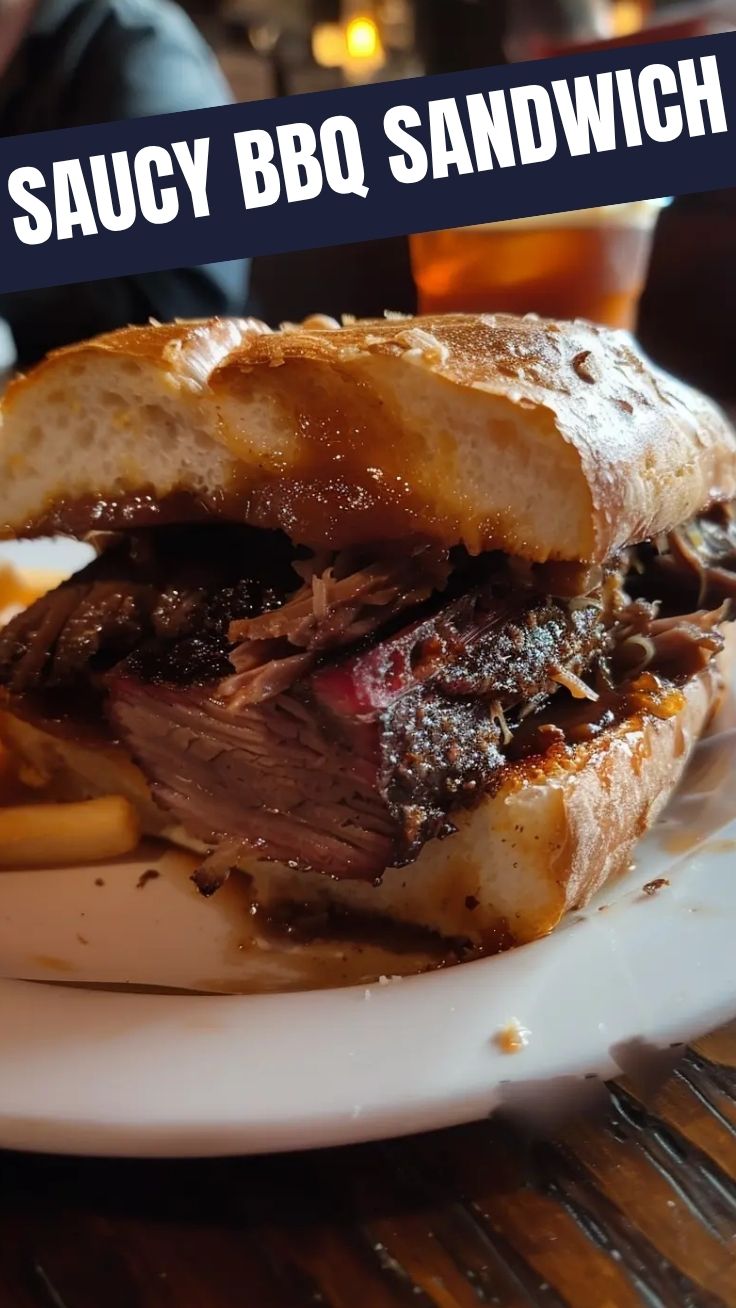
Master the Art of the Ultimate Homemade BBQ Brisket Sandwich
Are you ready to elevate your sandwich game to legendary status? Imagine the smoky aroma, the melt-in-your-mouth tenderness, and the perfect balance of sweet and savory in every bite. Crafting an exceptional BBQ Brisket Sandwich at home isn’t just about cooking; it’s about creating an experience that rivals your favorite smokehouse, right in your own kitchen. While store-bought options can be convenient, nothing compares to the satisfaction and flavor achieved when you prepare this iconic dish from scratch. Plus, knowing exactly what goes into your meal ensures both quality and a personalized touch. This isn’t just a recipe; it’s a journey to uncover the secrets behind truly remarkable Brisket sandwich recipes that will impress family and friends alike.
Ingredients & Kitchen Tools
Here’s everything you’ll need to create your culinary masterpiece:
- Brisket Flat (3-5 lbs): Choose a well-marbled cut for maximum flavor and tenderness.
- Your Favorite BBQ Rub (1/4 cup): A blend of brown sugar, paprika, garlic powder, onion powder, salt, and pepper works wonders.
- Apple Cider Vinegar (1/4 cup): For spritzing and adding a tangy kick.
- Beef Broth (1 cup): Keeps the brisket moist during the long cook.
- Buns (brioche or potato rolls): Soft, slightly sweet buns complement the rich brisket perfectly.
- Coleslaw (optional): Adds a refreshing crunch and tang.
- Pickles (dill or bread and butter): Essential for cutting through the richness.
- Your Favorite BBQ Sauce: For serving – choose smoky, sweet, or spicy to your preference.
- Heavy-Duty Aluminum Foil: For wrapping the brisket.
- Large Roasting Pan: To hold the brisket.
- Meat Thermometer: Crucial for precise temperature monitoring.
- Sharp Knife or Electric Carving Knife: For slicing against the grain.
- Spray Bottle: For applying apple cider vinegar.
- Cutting Board: For prep and carving.
- Mixing Bowls: For seasoning.
Prep Time & Cooking Schedule

The key to a truly tender brisket lies in patience. This recipe requires significant cooking time, so plan accordingly.
- Prep Time: 20-30 minutes (trimming, seasoning)
- Cook Time: 6-8 hours (depending on brisket size and cooking method)
- Resting Time: 1-2 hours (absolutely crucial for juiciness)
- Total Time: 8-10 hours
Begin preparing your brisket the day before you plan to serve, allowing for an overnight rub application if desired. The long cooking period means you’ll need to start early in the morning to have it ready for a dinner-time feast.
Step-by-Step Instructions
Becoming a pitmaster in your own kitchen is simpler than you think with these detailed steps:
1. Trim the Brisket: Carefully trim excess hard fat from the brisket, leaving a thin 1/4-inch layer of fat cap. This fat will render and add flavor.
2. Apply the Rub: Generously coat the entire brisket with your chosen BBQ rub, ensuring all surfaces are covered. For deeper flavor, refrigerate for at least 4 hours, or ideally overnight.
3. Preheat and Prepare: Preheat your oven to a low 275°F (135°C). Place the brisket fat-cap side up in a large roasting pan.
4. Slow Cook: Pour the beef broth into the bottom of the roasting pan. Cook for approximately 3-4 hours, spritzing with apple cider vinegar every hour to keep it moist. Monitor the internal temperature; it should reach around 165°F (74°C).
5. The Texas Crutch (Wrap): Once it hits 165°F, remove the brisket from the oven, spray generously one last time, and wrap it tightly in heavy-duty aluminum foil. Return to the oven.
6. The Endurance Cook: Continue cooking until the internal temperature reaches 200-205°F (93-96°C) and the brisket is probe-tender (a skewer should slide in with very little resistance). This can take another 3-4 hours.
7. The All-Important Rest: This is non-negotiable! Remove the wrapped brisket from the oven and let it rest at room temperature for at least 1 hour, or up to 2 hours in a cooler. This allows the juices to redistribute, ensuring a tender, succulent BBQ Brisket Sandwich.
8. Slice and Serve: Against the grain, slice the brisket into thin, uniform pieces. Pile high on your chosen buns, add your desired toppings like coleslaw and pickles, and drizzle with your favorite BBQ sauce. Enjoy your perfectly crafted Brisket sandwich recipes!
Nutritional Benefits & Advantages
Brisket, while rich, offers several nutritional benefits. It’s a significant source of protein, essential for muscle repair and growth. It also provides important B vitamins, iron, and zinc, vital for energy production and immune function. Preparing it at home allows you to control sodium and sugar levels often found in commercial sauces and seasoned meats. Opting for whole wheat buns and adding a fresh, vinegar-based coleslaw can further boost fiber and vitamins, making for a more balanced meal that still feels indulgent.
Tips, Variations & Cooking Advice
- Smoking Option: For an authentic smokey flavor, use a smoker instead of an oven. Maintain a consistent temperature of 225-250°F (107-121°C) and use wood like hickory, oak, or pecan.
- Injecting: For even more moisture and flavor, consider injecting the brisket with beef broth or an apple juice mixture before applying the rub.
- Spicy Kick: Add a pinch of cayenne pepper to your BBQ rub or a few dashes of hot sauce to your BBQ sauce for those who like it spicy.
- Gluten-Free: Ensure your BBQ rub and sauce are gluten-free and use gluten-free buns.
- Slider Version: Cut the brisket into smaller pieces and serve on mini buns for party-friendly sliders.
Common Mistakes to Avoid
- Not Trimming Properly: Leaving too much hard fat results in a greasy, unpleasant texture. Too little fat can lead to a dry brisket.
- Skipping the Rest: This is the most crucial step! Cutting into hot brisket immediately will cause all the juices to escape, leading to a dry result.
- Cutting with the Grain: Always slice against the grain. This shortens the muscle fibers, making the meat far more tender and easier to chew.
- Cooking Too High/Too Fast: Brisket needs low and slow heat to break down tough connective tissues. Rushing the process will result in tough, chewy meat.
- Ignoring the Internal Temperature: Don’t just rely on time. A meat thermometer is your best friend for perfectly cooked brisket.
Storage & Meal Prep Tips
Leftover brisket makes for fantastic future meals!
- Refrigeration: Store sliced brisket in an airtight container with a little reserved cooking liquid or BBQ sauce to prevent drying. It will keep well for 3-4 days in the refrigerator.
- Freezing: For longer storage, freeze sliced brisket flat in a freezer-safe bag or container with some liquid. It can be stored for up to 3 months. Thaw overnight in the refrigerator before reheating.
- Reheating: Gently reheat slices in a pan with a splash of beef broth or water, or in a microwave on low power, until warmed through. Avoid high heat as it can dry out the meat.
- Meal Prep Ideas: Use leftover brisket for tacos, nachos, chili, or even a brisket grilled cheese!
Conclusion
Mastering the homemade BBQ Brisket Sandwich is a culinary achievement that brings immense satisfaction and incredible flavor to your table. By following these steps and understanding the nuances of low and slow cooking, you’ll produce a tender, juicy brisket that will be the envy of all your friends. Don’t be intimidated by the long cooking time; the end result is absolutely worth the effort. We encourage you to try this ultimate Brisket sandwich recipes and share your delicious creations with us! What are your favorite toppings?
FAQs
Q1: Can I make this in a slow cooker?
A1: Yes, you can. Sear the brisket, then place it in a slow cooker with 1 cup of beef broth and half a cup of BBQ sauce. Cook on low for 6-8 hours or high for 3-4 hours, until tender. The bark won’t be as crispy as an oven or smoker, but it will be incredibly tender.
Q2: My brisket turned out dry. What went wrong?
A2: The most common culprits are insufficient trimming (not enough fat cap), not wrapping the brisket during the stall, not spritzing, or skipping the crucial resting period. Always ensure a proper rest!
Q3: What’s the “stall” in brisket cooking?
A3: The stall is when the brisket’s internal temperature plateaus, often between 150-170°F (65-77°C), sometimes for hours. This is due to evaporative cooling from moisture escaping the meat. Wrapping the brisket (the “Texas Crutch”) helps power through this phase.
Q4: Can I use a different cut of beef?
A4: While other cuts can be slow-cooked, brisket’s unique composition of fat and connective tissue makes it uniquely suited for this recipe. Chuck roast is a good alternative for pulled beef, but it won’t yield the same delicate slices as brisket.
Q5: What’s the best wood for smoking brisket?
A5: Hickory, oak, and pecan are classic choices for brisket, offering a strong, complementary smoky flavor. Apple or cherry wood can be used for a slightly milder, sweeter smoke.