Fresh & Flavorful: Your Guide to Crafting the Perfect Pasta Primavera at Home
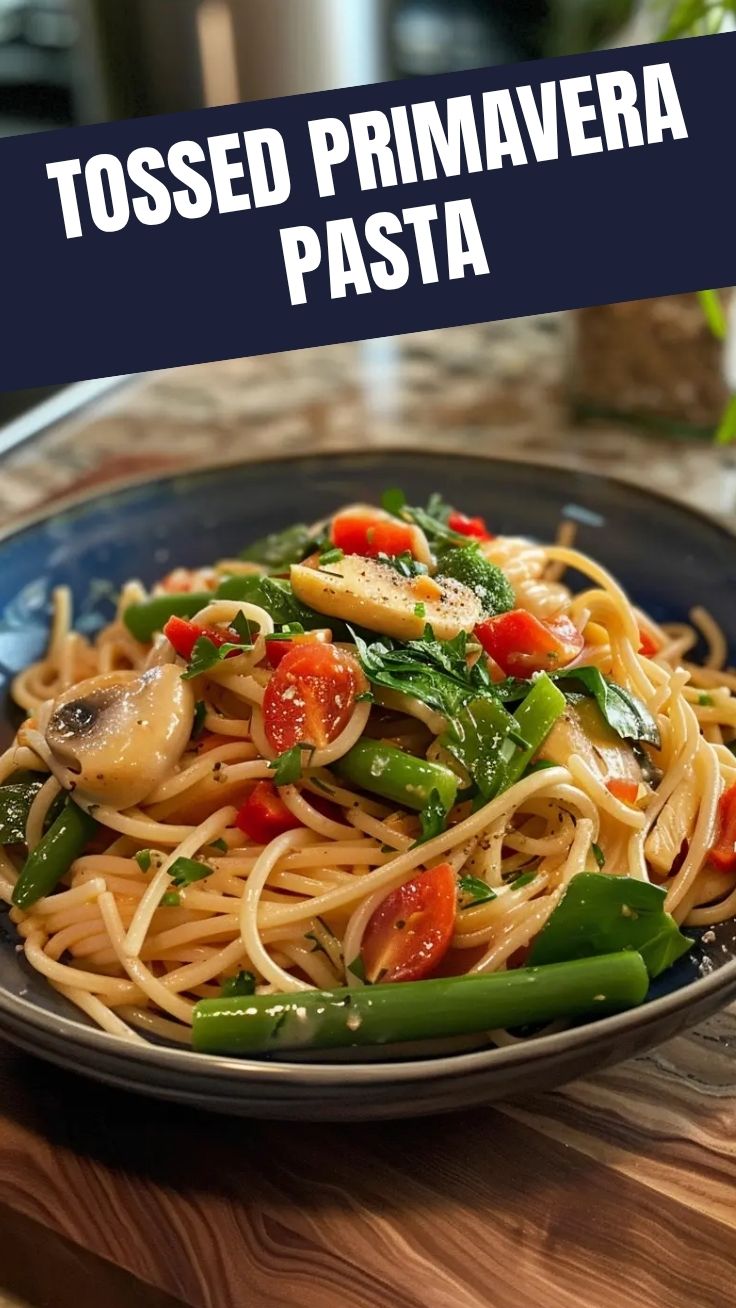
Ever wonder how to bring the vibrant colors and fresh flavors of spring directly to your dinner table in a single, satisfying dish? If you’re seeking a culinary experience that’s not only delicious but also brimming with nutritious goodness, then mastering the Pasta Primavera is your next kitchen adventure. Preparing this exquisite dish at home offers unparalleled control over ingredients, ensuring freshness and quality that no restaurant can consistently match. Imagine al dente pasta tossed with a kaleidoscope of seasonal vegetables, all brought together by a light, flavorful sauce. This is more than just a meal; it’s a celebration of fresh produce, and our detailed guide to this wonderful Primavera pasta recipe will empower you to create a masterpiece.
Ingredients & Kitchen Tools
To embark on your culinary journey for this delightful Primavera pasta recipe, gather the following:
- 1 pound fettuccine or linguine: A classic choice, but penne or farfalle also work beautifully.
- 2 tablespoons olive oil: Extra virgin for flavor, or regular for a lighter touch.
- 1 medium onion, finely chopped: Adds a foundational aromatic sweetness.
- 2 cloves garlic, minced: Essential for a pungent, savory kick.
- 1 cup broccoli florets: Bright green, adds texture and nutrition.
- 1 cup asparagus spears, trimmed and cut into 1-inch pieces: Tender, slightly earthy, and unmistakably spring.
- 1 cup cherry tomatoes, halved: Bursts of juicy sweetness.
- 1 cup zucchini, quartered and sliced: Mild, absorbs flavors well.
- 1/2 cup frozen peas: Quick-cooking and adds a pop of green and sweetness.
- 1/2 cup vegetable or chicken broth: Creates a light, flavorful sauce base.
- 1/4 cup grated Parmesan cheese (plus more for serving): Salty, nutty, and essential for richness.
- 2 tablespoons fresh parsley, chopped: Adds herbaceous freshness and a touch of color.
- Salt and freshly ground black pepper to taste: The fundamental seasonings.
- Optional: Lemon zest (1 tsp) and a squeeze of fresh lemon juice: Brightens all the flavors.
- Optional: Red pepper flakes (1/4 tsp): For a subtle kick of heat.
Kitchen Tools:
- Large pot: For cooking the pasta.
- Large skillet or Dutch oven: For sautéing vegetables and combining the dish.
- Cutting board and sharp knife: For efficient vegetable prep.
- Colander: To drain cooked pasta.
- Measuring cups and spoons: For precise ingredient amounts.
- Grater: For Parmesan cheese.
Prep Time & Cooking Schedule
- Prep Time: 20 minutes (mostly chopping vegetables).
- Cook Time: 25-30 minutes.
- Total Time: Approximately 45-50 minutes.
This timeline makes it a perfect weeknight meal or a relaxed weekend lunch. Begin your prep by getting all your vegetables chopped and ready – this is known as “mise en place” and will make the cooking process smooth and enjoyable.
Step-by-Step Instructions
1. Cook the Pasta: Bring a large pot of salted water to a rolling boil. Add the fettuccine and cook according to package directions until al dente. Reserve about 1 cup of pasta cooking water before draining.
2. Sauté Aromatics: While the pasta cooks, heat olive oil in a large skillet over medium heat. Add the chopped onion and cook until softened and translucent, about 5 minutes. Stir in the minced garlic and cook for another minute until fragrant, being careful not to burn it.
3. Add Hardier Vegetables: Incorporate the broccoli florets and asparagus pieces into the skillet. Sauté for 5-7 minutes, stirring occasionally, until they start to become tender-crisp.
4. Introduce Softer Vegetables: Add the halved cherry tomatoes and sliced zucchini to the skillet. Cook for another 3-5 minutes until the zucchini is slightly softened and the tomatoes begin to burst. Stir in the frozen peas for the last 2 minutes of cooking.
5. Build the Sauce: Pour in the vegetable or chicken broth. Bring to a gentle simmer and let it reduce slightly, concentrating the flavors.
6. Combine and Finish: Add the drained pasta directly to the skillet with the vegetables. Toss well to combine. Gradually add about half of the reserved pasta water, tablespoon by tablespoon, until a light, silky sauce forms that coats the pasta and vegetables. This creates the perfect consistency for our Pasta Primavera.
7. Season and Serve: Stir in the Parmesan cheese, chopped fresh parsley, lemon zest (if using), salt, and black pepper to taste. If you enjoy a little heat, a pinch of red pepper flakes can be added. Serve immediately, garnished with extra Parmesan cheese and a squeeze of fresh lemon, completing this delightful Primavera pasta recipe.
Nutritional Benefits & Advantages
This Pasta Primavera is a powerhouse of nutrition. It’s packed with an array of fresh vegetables rich in vitamins, minerals, and dietary fiber, promoting digestive health and satiety. The lean protein from the optional chicken or shrimp (if added) makes it a balanced meal, while the olive oil contributes healthy monounsaturated fats. It’s an excellent way to boost your daily vegetable intake, and by controlling the amount of cheese and oil, you can easily adapt it to various dietary needs.
Tips, Variations & Cooking Advice
- Vegetable Swap: Feel free to use any seasonal vegetables you have on hand – bell peppers, spinich, mushrooms, snap peas or green beans are all excellent additions.
- Protein Boost: Add grilled chicken, sautéed shrimp, or canned cannellini beans for extra protein.
- Creamier Sauce: For a richer sauce, stir in a splash of heavy cream or a dollop of cream cheese at the end.
- Gluten-Free: Use gluten-free pasta varieties.
- Vegan: Omit the Parmesan cheese or use a plant-based alternative.
- Herb Variations: Experiment with fresh basil, oregano, or thyme for different aromatic profiles.
Common Mistakes to Avoid
- Overcooking Vegetables: This makes them mushy and diminishes their vibrant color and nutritional value. Aim for crisp-tender.
- Under-Seasoning: Taste as you go! Salt and pepper are crucial for bringing out the best in the ingredients.
- Not Reserving Pasta Water: This starchy water is key to creating a cohesive sauce that emulsifies beautifully.
- Using Too Much Sauce: The beauty of Primavera is its lightness. A subtle coating is preferred over a heavy, gloppy sauce.
Storage & Meal Prep Tips
Leftovers of this delicious Pasta Primavera can be stored in an airtight container in the refrigerator for up to 3-4 days. While it’s best enjoyed fresh, it reheats well in the microwave or on the stovetop with a splash of water or broth to loosen the sauce. Freezing is not recommended for this particular dish, as the vegetables tend to lose their texture upon thawing. For meal prep, you can chop all your vegetables ahead of time, storing them in separate containers in the fridge until you’re ready to cook.
Conclusion
There you have it – a comprehensive guide to creating a mouth-watering Pasta Primavera that will delight your senses and nourish your body. This vibrant, flavorful dish is a testament to the simplicity and beauty of seasonal cooking, offering endless possibilities for customization. Don’t be afraid to experiment with your favorite vegetables and make this Primavera pasta recipe truly your own. Give it a try this week, and let us know your favorite additions in the comments below! We’d love to hear how you put your unique spin on this classic.
FAQs
Q1: Can I use fresh pasta instead of dried?
A1: Yes, absolutely! Fresh pasta will cook much faster, so adjust your cooking time accordingly.
Q2: What is the best way to trim asparagus?
A2: Hold an asparagus spear at both ends and bend it. It will naturally snap where the woody bottom meets the tender stalk.
Q3: How can I make my Pasta Primavera spicier?
A3: Add more red pepper flakes, or a pinch of cayenne pepper, at the same time as the garlic.
Q4: Can I prepare the sauce in advance?
A4: You can chop the vegetables and even sauté the harder vegetables a day ahead. However, for the best texture and flavor, cook the pasta and combine everything closer to serving time.
Q5: What wine pairs well with Pasta Primavera?
A5: A crisp, dry white wine like Sauvignon Blanc, Pinot Grigio, or a light Chardonnay would complement the fresh flavors beautifully.