Unlock the Secret to the Perfect Savory Side: Your Guide to Wild Rice Pilaf
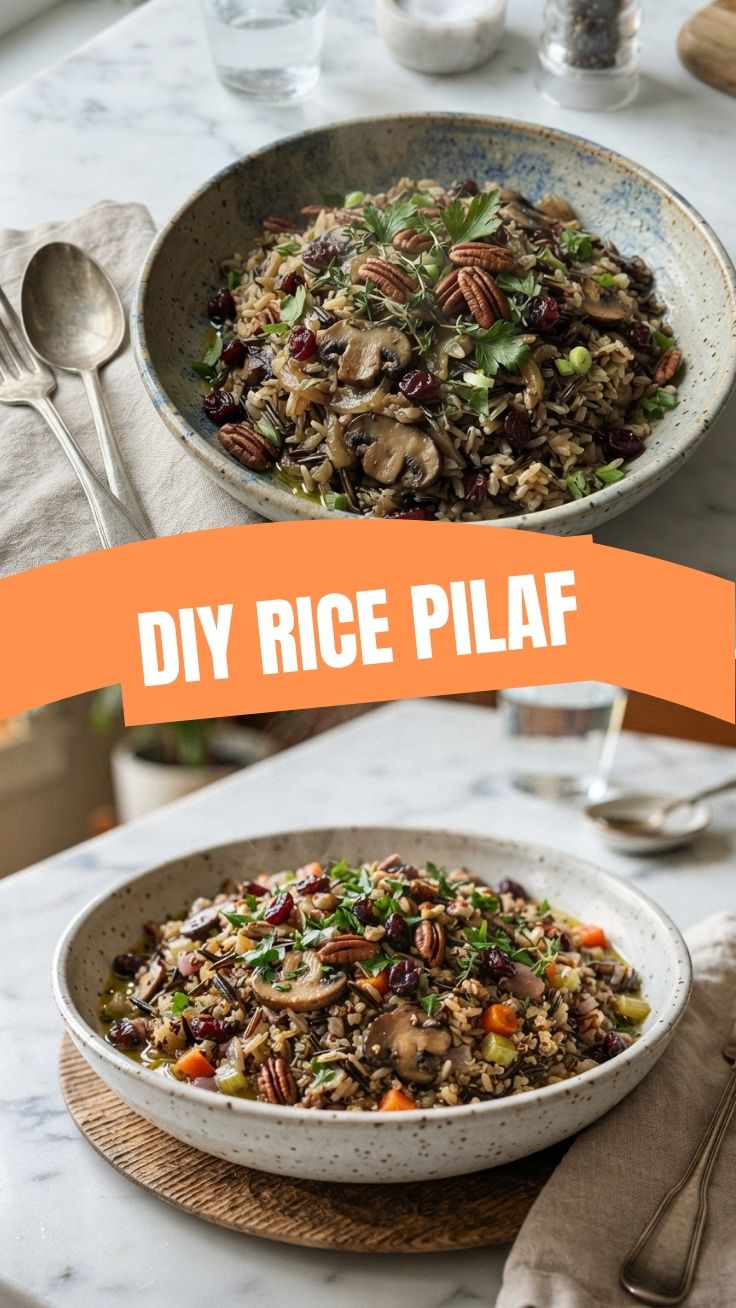
Ever wondered how to elevate a simple meal into a culinary masterpiece with a single, versatile side dish? Look no further than Wild Rice Pilaf. This elegant and flavorful dish isn’t just a side; it’s an experience. Preparing it at home allows you to control the quality of ingredients, customize the flavors to your liking, and impress your dinner guests with minimal effort. Today, we’re diving deep into the art of crafting a truly exceptional Wild Rice Pilaf, a dish that complements a wide array of main courses. Beyond its delightful taste and inviting aroma, mastering this recipe opens the door to a world of delightful Wild rice recipes that are both nutritious and incredibly satisfying. Get ready to transform your kitchen into a hub of gourmet goodness!
Ingredients & Kitchen Tools
Here’s everything you’ll need to create this delectable pilaf, along with some helpful notes and potential substitutions.
Ingredients:
- 1 cup Wild Rice Blend: (A mix of wild rice, brown rice, red rice, and sometimes other grains. Provides varied texture and color.)
- 3 cups Vegetable Broth: (Or chicken broth for a richer flavor. Low sodium is recommended.)
- 2 tbsp Olive Oil: (Or butter for a more indulgent taste.)
- 1 small Yellow Onion: (Finely diced. Adds sweetness and aromatic depth.)
- 2 cloves Garlic: (Minced. A fundamental flavor enhancer.)
- 1/2 cup Mushrooms: (Sliced, cremini or button work well. Adds an earthy umami flavor. Optional.)
- 1/4 cup Dried Cranberries: (Adds a touch of sweetness and tartness, complementing the savory notes.)
- 1/4 cup Pecans or Almonds: (Chopped, toasted for extra flavor. Adds crunch and nutty undertones.)
- 1 tsp Fresh Thyme Leaves: (Chopped, or 1/2 tsp dried. Brings a fragrant, herbaceous note.)
- Salt and Black Pepper: (To taste, essential for seasoning.)
- Fresh Parsley: (Chopped, for garnish. Adds freshness and color.)
Kitchen Tools:
- Medium Saucepan with Lid: (For simmering the rice.)
- Fine-Mesh Sieve: (For rinsing the wild rice blend.)
- Cutting Board and Sharp Knife: (For chopping vegetables.)
- Measuring Cups and Spoons: (For accurate ingredient proportions.)
- Wooden Spoon or Spatula: (For stirring.)
Prep Time & Cooking Schedule
- Prep Time: 15 minutes
- Cook Time: 45-50 minutes
- Resting Time: 5-10 minutes
This Wild Rice Pilaf requires a moderate amount of hands-on prep, mainly chopping vegetables. The cooking time is mostly passive, allowing the wild rice to absorb the flavorful broth. Plan to start this dish about an hour before you intend to serve your meal. The resting time is crucial for the grains to fully absorb any remaining moisture and achieve a perfectly fluffy texture.
Step-by-Step Instructions
1. Rinse the Rice: Place the wild rice blend in a fine-mesh sieve and rinse thoroughly under cold water until the water runs clear. This helps remove excess starch and any impurities.
2. Sauté Aromatics: Heat the olive oil (or butter) in a medium saucepan over medium heat. Add the diced yellow onion and sauté for 3-5 minutes, until softened and translucent. Add the minced garlic and sliced mushrooms (if using) and cook for another 2-3 minutes until fragrant.
3. Toast the Rice: Add the rinsed wild rice blend to the saucepan. Stir constantly for 1-2 minutes, allowing the grains to lightly toast. This step enhances the nutty flavor of the wild rice.
4. Simmer to Perfection: Pour in the vegetable broth and add the fresh thyme. Season with a generous pinch of salt and black pepper. Bring the mixture to a boil, then reduce the heat to low, cover the saucepan tightly with a lid, and simmer for 40-45 minutes. Avoid lifting the lid during this time to retain steam.
5. Fluff and Finish: Once the cooking time is up, remove the saucepan from the heat. Let it rest, covered, for 5-10 minutes. This allows the Wild Rice Pilaf to steam gently and become perfectly fluffy.
6. Add Final Touches: Uncover the saucepan. Stir in the dried cranberries and chopped pecans (or almonds). Taste and adjust seasoning as needed. Garnish with fresh chopped parsley before serving. Enjoy your delicious Wild Rice Pilaf, and remember that this method forms the foundation for many other delightful Wild rice recipes!
Nutritional Benefits & Advantages
Wild rice, despite its name, is actually a type of aquatic grass seed, not a true rice. It’s a powerhouse of nutrition! It’s an excellent source of plant-based protein, dietary fiber, and essential minerals like magnesium, phosphorus, and zinc. Its high fiber content aids digestion and promotes satiety, making this pilaf a filling and satisfying side. The inclusion of ingredients like olive oil, garlic, and onions adds beneficial antioxidants and anti-inflammatory compounds. Dried cranberries contribute vitamins and antioxidants, while nuts provide healthy fats and additional protein. This makes Wild Rice Pilaf a smart choice for a balanced diet.
Tips, Variations & Cooking Advice
- Flavor Boost: For an extra layer of flavor, replace some of the vegetable broth with a dry white wine during the simmering stage.
- Herb Variations: Experiment with other fresh herbs like sage, rosemary, or a combination for different aromatic profiles.
- Nut & Fruit Swaps: Instead of pecans, try walnuts or slivered almonds. Dried apricots, chopped dates, or golden raisins can substitute cranberries.
- Vegetable Add-ins: Sautéed carrots, celery, or bell peppers can be added along with the onion for more texture and nutrients.
- Make it a Main: Turn this pilaf into a light main course by adding cooked chicken, turkey, or chickpeas during the last 5 minutes of cooking.
Common Mistakes to Avoid
- Not Rinsing the Rice: Skipping this step can result in a stickier, gummier pilaf.
- Lifting the Lid: Resist the urge! Each time you lift the lid, steam escapes, affecting the cooking time and the texture of the rice.
- Overcooking/Undercooking: Pay attention to the cooking time. Wild rice can take a bit longer than white rice, so be patient. If it’s still too firm after 45 minutes, add a splash more broth and continue simmering for a few more minutes.
- Inadequate Seasoning: Always taste and adjust salt and pepper. A well-seasoned pilaf is a flavorful pilaf.
Storage & Meal Prep Tips
Leftover Wild Rice Pilaf can be stored in an airtight container in the refrigerator for up to 3-4 days. It’s an excellent candidate for meal prepping, as its flavors often deepen overnight. To reheat, gently warm in a microwave or on the stovetop with a splash of broth or water to prevent drying out. Freezing is possible, but the texture might become slightly softer upon thawing. If freezing, allow the pilaf to cool completely, then store in freezer-safe bags or containers for up to 3 months. Thaw overnight in the refrigerator before reheating.
Conclusion
Crafting a delicious Wild Rice Pilaf is a truly rewarding experience, offering a blend of hearty nutrition and sophisticated flavor. By following these simple steps and tips, you can create a side dish that’s sure to impress and satisfy. This recipe not only provides a fantastic standalone dish but also serves as a gateway to exploring the vast and delicious world of Wild rice recipes. We encourage you to try this recipe, experiment with your own variations, and share your culinary successes with us! Happy cooking!
FAQs
Q1: Can I use instant wild rice for this recipe?
A1: While you can, instant wild rice will cook much faster (usually 10-15 minutes) and may have a slightly different texture. Adjust the liquid and cooking time accordingly. For the best results, we recommend using a regular wild rice blend.
Q2: How can I make this pilaf vegetarian and gluten-free?
A2: This recipe is already vegetarian (if using vegetable broth). For a gluten-free version, ensure your broth is certified gluten-free, as some broths may contain gluten-containing ingredients. Wild rice itself is naturally gluten-free.
Q3: What are some good main dishes to pair with Wild Rice Pilaf?
A3: This pilaf pairs beautifully with roasted chicken, baked salmon, pork loin, or even a simple grilled steak. It’s also a fantastic accompaniment to vegetarian main courses like lentil loaf or stuffed bell peppers.
Q4: My wild rice isn’t tender after the recommended cooking time. What went wrong?
A4: This can happen if your heat was too low, or if you lifted the lid too often, allowing steam to escape. Add a quarter cup more hot broth, cover tightly, and simmer for another 10-15 minutes, checking for tenderness. Remember, different wild rice blends can also vary slightly in cooking time.
Q5: Can I prepare the ingredients ahead of time for easier cooking?
A5: Absolutely! You can chop the onion, mince the garlic, and slice the mushrooms a day in advance and store them in airtight containers in the refrigerator. This will significantly cut down on your active prep time when you’re ready to cook.