Unlocking Flavor: The Ultimate Guide to Crafting a Refreshing Garden Salad
Ever found yourself staring at a grocery store salad, wondering if you could replicate that vibrant freshness at home, but even better? The answer is a resounding yes! Preparing a delicious Garden Salad from scratch is not just about saving money; it’s about controlling the quality of your ingredients, customizing flavors to your exact preference, and enjoying a truly personalized culinary experience. Today, we’re diving deep into the art of creating the perfect Garden Salad, a versatile dish that celebrates fresh produce and can be a delightful meal on its own or a vibrant accompaniment. And for those looking to elevate their salad game even further, exploring options like an Heirloom Tomato Salad can open up a world of seasonal flavors and stunning presentation.
Ingredients & Kitchen Tools
Crafting an exceptional Garden Salad begins with the right components.
Mixed Greens (6-8 cups): A blend of romaine, butter lettuce, spring mix, or spinach provides a textural and flavor foundation. Choose organic for maximum freshness.*
Cherry or Grape Tomatoes (1 cup, halved): Adds a burst of sweetness and acidity. Look for firm, brightly colored tomatoes.*
Cucumber (1, medium, thinly sliced): Offers a crisp, refreshing element. English cucumbers are less watery and have fewer seeds.*
Bell Pepper (1, any color, thinly sliced): Contributes crunch and a sweet, mild flavor. Red, yellow, or orange bells are sweeter than green.*
Carrots (2, medium, shredded or julienned): Earthy sweetness and a vibrant color. Freshly shredded carrots have better texture.*
Red Onion (1/4 cup, thinly sliced): A pungent kick. Soak in ice water for 10 minutes to reduce harshness.*
Croutons (1 cup): Adds a satisfying crunch. Homemade are always best!*
Your Favorite Dressing (1/2 cup): Vinaigrette, ranch, or a creamy Italian. Consider a homemade lemon-herb vinaigrette for ultimate freshness.*
Kitchen Tools:
- Large Salad Bowl: For mixing and serving.
- Salad Spinner: Essential for crisp, dry greens.
- Sharp Knife: For precise chopping and slicing.
- Cutting Board: A stable surface for prep.
- Measuring Cups & Spoons: For accurate ingredient ratios.
Prep Time & Cooking Schedule
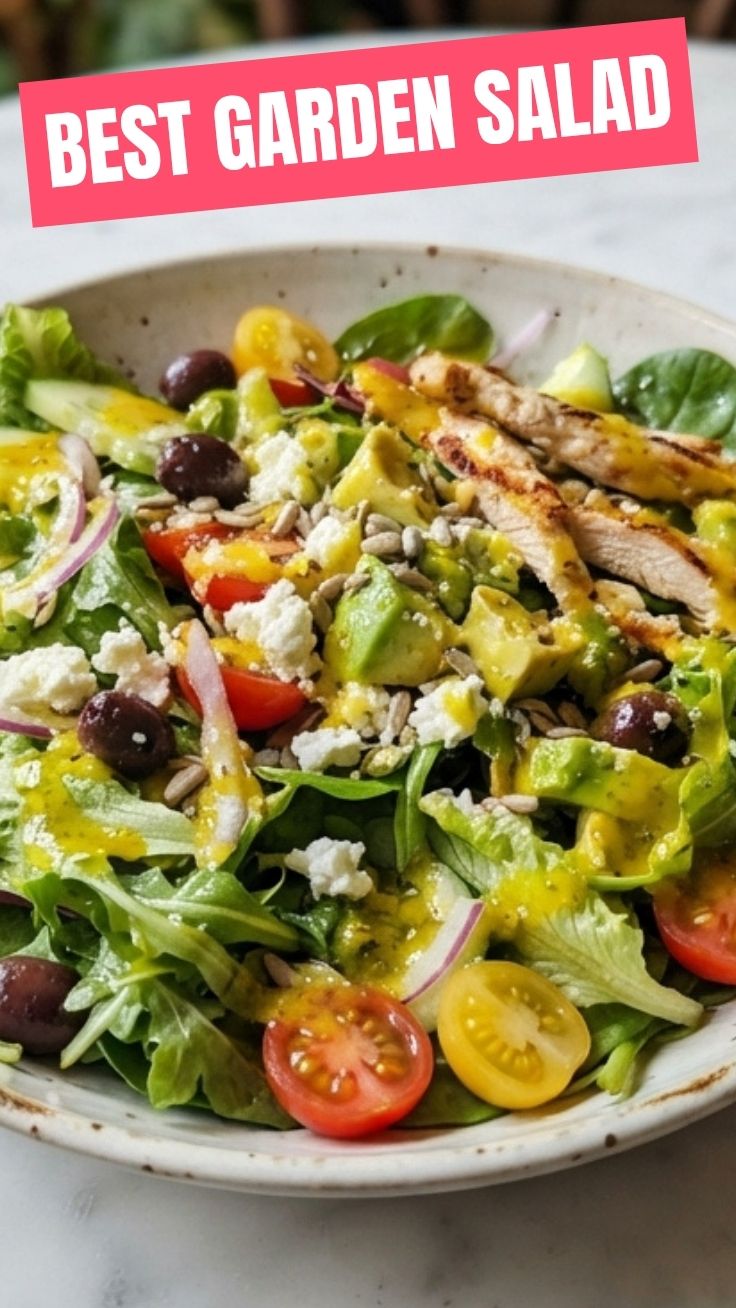
One of the beauties of a Garden Salad is its quick preparation.
- Prep Time: 15-20 minutes (depending on chopping skills!)
- Cook Time: 0 minutes
- Resting Time: 5 minutes (after dressing, before serving, allows flavors to meld slightly)
This quick turnaround makes it an ideal option for weeknight dinners or a last-minute healthy side. Aim to prepare the vegetables just before serving to maintain maximum freshness and crispness. If making ahead, keep ingredients separate and dress just before eating.
Step-by-Step Instructions
1. Wash and Dry Greens Thoroughly: Place your mixed greens in a salad spinner and rinse under cold water. Spin until completely dry. This is crucial for preventing a watery salad and ensuring dressing adheres properly.
2. Prepare Vegetables: Halve the cherry or grape tomatoes. Thinly slice the cucumber, bell pepper, and red onion. Shred or julienne the carrots.
3. Assemble the Base: In your large salad bowl, combine the dried mixed greens, prepared tomatoes, cucumbers, bell peppers, carrots, and red onion. This forms the vibrant foundation of your Garden Salad.
4. Add Croutons: Just before serving, gently toss in the croutons to maintain their crispness.
5. Dress and Serve: Drizzle your chosen dressing over the salad. Toss gently to evenly coat all ingredients. For a particularly flavorful and visually appealing experience, consider serving alongside a vibrant Heirloom Tomato Salad, allowing the distinct notes of each to shine. Serve immediately.
Nutritional Benefits & Advantages
The humble Garden Salad is a powerhouse of nutrition. It’s rich in vitamins (A, C, K), minerals (potassium, folate), and dietary fiber, promoting healthy digestion and satiety. The variety of colors indicates a wide range of antioxidants, which combat free radicals and support overall cellular health. It’s naturally low in calories and can be customized to be heart-healthy, weight-friendly, and packed with essential nutrients.
Tips, Variations & Cooking Advice
- Protein Boost: Add grilled chicken, fish, tofu, hard-boiled eggs, or chickpeas for a complete meal.
- Cheese Please: Crumbled feta, goat cheese, or shredded cheddar can elevate the flavor profile.
- Nutty Crunch: Toasted walnuts, pecans, or sunflower seeds add healthy fats and texture.
- Fruity Twist: Sliced apples, pears, or berries can introduce a delightful sweetness.
- Herbaceous Notes: Fresh parsley, cilantro, or dill can brighten the flavors.
- Dietary Adaptations: For a gluten-free option, ensure your croutons are certified GF or omit them. For a dairy-free version, choose a vinaigrette-based dressing and avoid cheese.
Common Mistakes to Avoid
- Wet Greens: The number one culprit for a soggy, unappealing salad. Always spin your greens dry!
- Over-Dressing: Too much dressing overwhelms the delicate flavors of the vegetables. Start with a small amount and add more as needed.
- Dressing Too Early: Dressing a salad too far in advance will make the greens wilt and lose their crispness.
- Stale Ingredients: Use the freshest possible produce for the best taste and texture.
Storage & Meal Prep Tips
For optimal freshness, store undressed salad ingredients separately in airtight containers in the refrigerator. Greens can be washed, dried, and stored in a bag lined with a paper towel for 3-5 days. Prepared vegetables like chopped carrots and bell peppers can last 3-4 days. Dressings can be made ahead and stored for up to a week. When ready to eat, simply combine and dress. Leftover dressed salad is best consumed within a few hours as it tends to wilt quickly.
Conclusion
Crafting a vibrant and delicious Garden Salad at home is a simple yet rewarding endeavor. It offers a canvas for culinary creativity, allowing you to tailor every aspect to your taste and nutritional needs. From the crisp snap of fresh greens to the burst of juicy tomatoes, each ingredient plays a vital role in creating a truly satisfying dish. We encourage you to experiment with different combinations, perhaps even preparing a stunning Heirloom Tomato Salad to complement your greens, and discover the joy of homemade salads. Share your favorite additions and tips in the comments below – we’d love to hear how you make yours uniquely delicious!
FAQs
Q1: How can I keep my salad greens fresh longer?
A1: Wash and thoroughly dry your greens with a salad spinner. Store them in an airtight container or a bag lined with paper towels in the refrigerator. The paper towel absorbs excess moisture, preventing wilting.
Q2: Can I make my own salad dressing?
A2: Absolutely! Homemade dressings are often healthier and more flavorful. A simple vinaigrette can be made with olive oil, vinegar (balsamic, red wine, or apple cider), Dijon mustard, salt, and pepper.
Q3: What are some good protein additions for a more substantial salad?
A3: Grilled chicken or fish, hard-boiled eggs, chickpeas, black beans, crumbled tofu, or even leftover roasted vegetables are excellent protein-rich options.
Q4: My salad always tastes bland. How can I add more flavor?
A4: Ensure your greens are dry so the dressing adheres well. Use fresh herbs, citrus zest, a good quality olive oil, and consider adding a touch of something salty (feta, olives) or acidic (vinegar, lemon juice) to balance the flavors.
Q5: Is it okay to use frozen vegetables in a Garden Salad?
A5: While fresh is generally best for salads due to texture, some frozen vegetables (like peas or corn) can be thawed and added. Avoid using frozen vegetables that release a lot of water when thawed, as they can make the salad soggy.