Bake the Perfect Oatmeal Cookies: Your Ultimate Guide to a Warm, Chewy Delight!
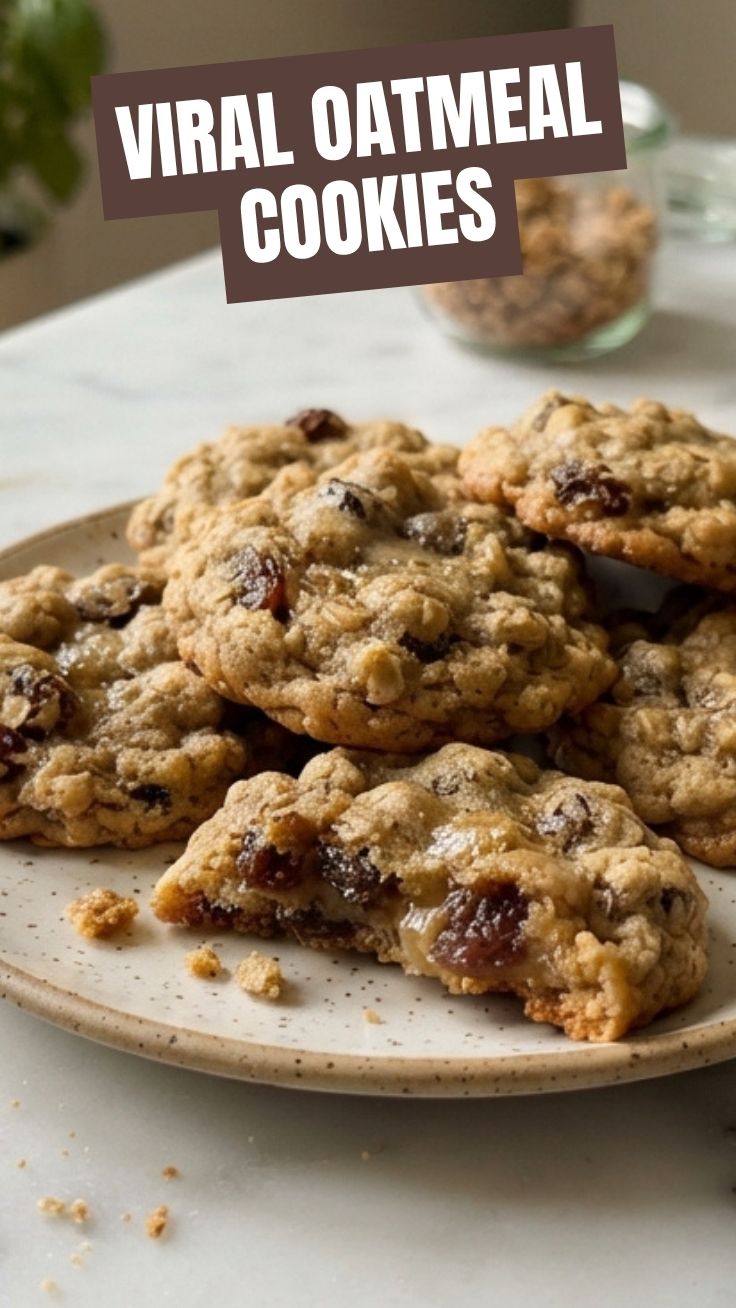
Have you ever craved that comforting, golden-brown cookie that’s simultaneously chewy and crisp, bursting with wholesome goodness? Crafting perfect Oatmeal Cookies at home isn’t just about baking; it’s about creating a moment of pure culinary bliss. Beyond store-bought varieties, making these classic treats from scratch offers unparalleled flavor, knowing exactly what goes into each bite, and the joy of a kitchen filled with an irresistible aroma. And for those who adore a fruity twist, mastering delicious oatmeal raisin cookies will elevate your baking repertoire even further. Let’s dive into perfecting this timeless dessert!
Ingredients & Kitchen Tools
Here’s what you’ll need to create your batch of delightful cookies:
- 1 cup (2 sticks) Unsalted Butter, softened: Essential for rich flavor and tender texture.
- 1 cup Granulated Sugar: Provides sweetness and contributes to browning.
- 1 cup Packed Light Brown Sugar: Adds moisture, chewiness, and a deeper molasses flavor.
- 2 Large Eggs: Binds ingredients, adds moisture, and helps with leavening.
- 1 tsp Vanilla Extract: Enhances the overall flavor profile. Use pure vanilla for best results.
- 1 ½ cups All-Purpose Flour: The structural base of your cookies.
- 1 tsp Baking Soda: A leavening agent that helps cookies rise and spread.
- 1 tsp Ground Cinnamon: Complements the oats beautifully, adding warmth.
- ½ tsp Salt: Balances the sweetness and enhances other flavors.
- 3 cups Old-Fashioned Rolled Oats: The star ingredient, providing texture and chewiness. Avoid instant oats for this recipe.
- 1 cup Raisins (optional, for oatmeal raisin cookies): Adds a sweet, chewy burst. You can substitute with other dried fruits.
- Large Mixing Bowls: For combining wet and dry ingredients.
- Electric Mixer (stand or hand-held): For creaming butter and sugars efficiently.
- Measuring Cups & Spoons: For accurate ingredient quantities.
- Rubber Spatula: For scraping down bowls and folding ingredients.
- Baking Sheets: Non-stick or lined with parchment paper.
- Parchment Paper: Prevents sticking and makes cleanup easy.
- Wire Cooling Rack: Allows air circulation for even cooling.
Prep Time & Cooking Schedule
- Prep Time: 15 minutes
- Chill Time (Optional but Recommended): 30 minutes (or up to 24 hours for enhanced flavor and texture)
- Cook Time: 10-12 minutes per batch
- Total Time: Approximately 35-40 minutes (excluding chill time)
The optional chilling period allows the flavors to meld and prevents excessive spreading, resulting in thicker, chewier cookies. If you’re short on time, you can skip it, but for truly outstanding Oatmeal Cookies, don’t rush this step!
Step-by-Step Instructions
1. Preheat & Prep: Preheat your oven to 375°F (190°C). Line baking sheets with parchment paper.
2. Cream Butter & Sugars: In a large mixing bowl, using an electric mixer, cream together the softened butter, granulated sugar, and brown sugar until light and fluffy, about 2-3 minutes. This aeration is key to the cookie’s texture.
3. Add Wet Ingredients: Beat in the eggs one at a time, mixing well after each addition. Stir in the vanilla extract until just combined.
4. Combine Dry Ingredients: In a separate medium bowl, whisk together the flour, baking soda, ground cinnamon, and salt.
5. Gradually Combine Wet and Dry: Slowly add the dry ingredients to the wet ingredients, mixing on low speed until just combined. Be careful not to overmix, as this can lead to tough cookies.
6. Fold in Oats & Raisins: Gently fold in the old-fashioned rolled oats until evenly distributed. If you’re making classic Oatmeal Cookies or prefer them plain, this is your stopping point for additions. For oatmeal raisin cookies, fold in the raisins now.
7. Chill (Optional but Recommended): Cover the dough and refrigerate for at least 30 minutes. This helps prevent spreading and deepens flavor.
8. Scoop & Bake: Drop rounded tablespoons of dough onto the prepared baking sheets, spacing them about 2 inches apart.
9. Bake: Bake for 10-12 minutes, or until the edges are golden brown and the centers are set but still slightly soft.
10. Cool: Let the cookies cool on the baking sheet for 5 minutes before transferring them to a wire rack to cool completely.
Nutritional Benefits & Advantages
These Oatmeal Cookies aren’t just delicious; they offer some surprising health advantages. Oats are a fantastic source of soluble fiber, which can help lower cholesterol and regulate blood sugar. They also provide essential vitamins and minerals like manganese, phosphorus, magnesium, and iron. Opting for oatmeal raisin cookies adds a boost of antioxidants from the dried fruit. While still a treat, these cookies offer a more wholesome indulgence compared to many other dessert options, making them a satisfying way to enjoy a sweet snack.
Tips, Variations & Cooking Advice
- Chewy vs. Crispy: For chewier cookies, slightly underbake them. For crispier edges, bake a minute or two longer.
- Flavor Boosts: Add a pinch of nutmeg or allspice for more complex warmth. A sprinkle of sea salt on top before baking enhances flavor.
- Ingredient Swaps:
* Gluten-Free: Use certified gluten-free rolled oats and a 1:1 gluten-free all-purpose flour blend.
* Dairy-Free: Substitute butter with a plant-based butter alternative.
* Sweetener Reduction: You can slightly reduce the sugar for a less sweet cookie, but be aware it might affect texture.
* Other Add-ins: Get creative! Try chocolate chips, chopped nuts (walnuts or pecans), shredded coconut, or dried cranberries instead of or in addition to raisins.
- Size Matters: Use a cookie scoop for uniform cookies that bake evenly.
Common Mistakes to Avoid
- Overmixing the Dough: This develops the gluten in the flour too much, leading to tough, not tender, cookies. Mix until just combined.
- Using Instant Oats: Instant oats break down too much during baking, resulting in a mushy texture rather than the desired chewiness. Stick to old-fashioned rolled oats.
- Not Chilling the Dough: Skipping the chill time can lead to cookies that spread too much and are thin and brittle. Don’t skip it if you want thick, chewy results.
- Baking on Hot Sheets: Always let your baking sheets cool between batches. Placing dough on a hot sheet causes the butter to melt too quickly, making cookies spread excessively.
- Underbaking/Overbaking: Pay attention to visual cues. The edges should be golden, and the center set but still slightly soft.
Storage & Meal Prep Tips
Once fully cooled, store Oatmeal Cookies in an airtight container at room temperature for up to 3-5 days. For longer storage, freeze them! Place cooled cookies in a single layer on a baking sheet to flash freeze for about an hour, then transfer them to a freezer-safe bag or container for up to 3 months. Thaw at room temperature or gently warm in the microwave for a fresh-baked taste. You can also prepare the dough ahead of time, roll it into a log, wrap it tightly, and freeze. Simply slice and bake from frozen, adding an extra minute or two to the baking time.
Conclusion
Baking the perfect Oatmeal Cookies is a rewarding experience that yields a truly irresistible treat. From the warm spices to the satisfying chew of the oats, each bite is a testament to the simple joys of homemade baking. And whether you prefer the classic version or a delightful batch of oatmeal raisin cookies, this recipe provides a foolproof guide to achieving bakery-quality results. We encourage you to try this recipe and share your delicious creations! What are your favorite additions to this classic cookie? Let us know in the comments below!
FAQs
Q1: Can I use quick oats instead of old-fashioned rolled oats?
A1: While you can, it’s not recommended. Quick oats are more finely processed and will result in a less chewy, almost mushy texture. Old-fashioned rolled oats give the best texture and chewiness.
Q2: My cookies spread too much. What went wrong?
A2: Common culprits include butter that was too soft or melted, not chilling the dough, overmixing, or baking on a hot baking sheet. Ensure your butter is softened but still cool, chill the dough, and always use cool baking sheets.
Q3: How can I make these cookies healthier?
A3: To make them slightly healthier, you can reduce the amount of sugar by about ¼ cup, add chopped nuts for healthy fats and protein, or incorporate other dried fruits like cranberries or chopped apricots for varied nutrients. You could also experiment with whole wheat pastry flour for a denser, more fibrous cookie.
Q4: Can I freeze the cookie dough?
A4: Absolutely! Scoop the dough into balls, place them on a parchment-lined baking sheet, and freeze until solid. Transfer the frozen dough balls to a freezer-safe bag. When ready to bake, place frozen dough on a baking sheet and add 2-3 minutes to the baking time.