The Unbeatable Charm of Shortbread Cookies: Your Guide to Perfect Homemade Bliss
Ever wondered what makes a cookie truly irresistible? Imagine a melt-in-your-mouth texture, a delicate sweetness, and a buttery aroma that fills your kitchen. That’s the magic of Shortbread Cookies. While store-bought versions offer convenience, there’s an unparalleled joy and satisfaction in crafting these timeless treats at home. Beyond the simple ingredients and straightforward process, baking your own shortbread allows you to control the quality of every component, ensuring a superior flavor and texture that will impress everyone. Plus, the sheer delight of a freshly baked batch, especially a divine butter shortbread, is a reward in itself.
Ingredients & Kitchen Tools
To embark on your shortbread journey, gather these high-quality components and essential tools. Quality ingredients are key to achieving that signature delicate crumb.
- Unsalted Butter (1 cup, 2 sticks): Ensure it’s cold and high quality for the best flavor and texture. Allows you to control salt levels.
- All-Purpose Flour (2 cups): Standard flour works perfectly. Avoid self-rising.
- Powdered Sugar (½ cup): Also known as confectioners’ sugar. Contributes to the tender, melt-in-your-mouth texture.
- Cornstarch (¼ cup, optional): Enhances tenderness and prevents spread.
- Vanilla Extract (1 teaspoon): Adds a warm, aromatic depth. Mexican vanilla offers a richer flavor profile.
- Salt (¼ teaspoon): Balances the sweetness and amplifies other flavors.
- Large Mixing Bowl: For combining ingredients.
- Electric Mixer (stand or hand-held): Essential for creaming butter and sugar.
- Parchment Paper: Prevents sticking and makes for easy cleanup.
- Rolling Pin: For achieving an even thickness.
- Cookie Cutters (optional): For festive shapes, or simply cut into squares or fingers.
- Baking Sheets: For baking your perfect cookies.
Prep Time & Cooking Schedule
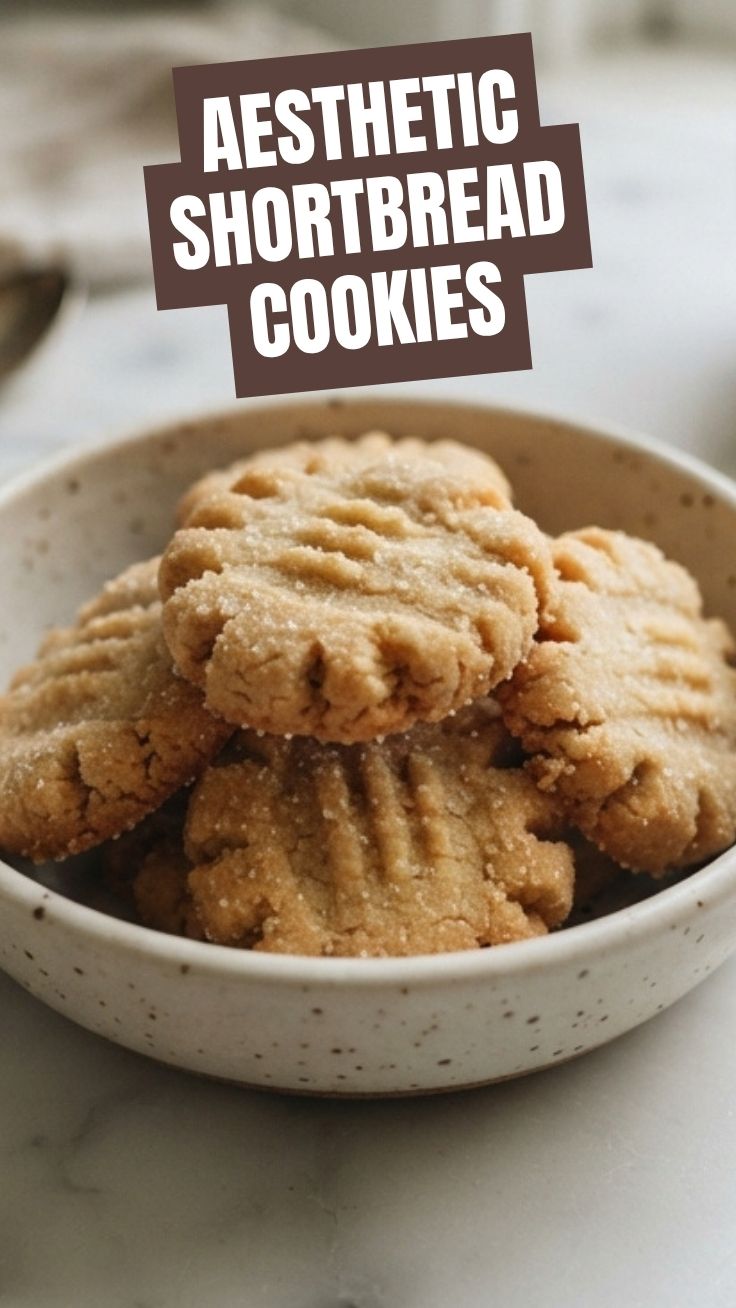
Planning is everything when it comes to baking. Here’s a breakdown to ensure your baking session is smooth and stress-free.
- Prep Time: 20 minutes (includes mixing and initial shaping)
- Chilling Time: 30-60 minutes (crucial for preventing spread and achieving crisp edges)
- Cook Time: 15-20 minutes
- Cooling Time: 10 minutes
The chilling time is non-negotiable for Shortbread Cookies as it allows the butter to firm up, preventing the cookies from spreading too much in the oven and maintaining their shape beautifully.
Step-by-Step Instructions
Follow these precise steps to craft an impeccable batch of shortbread. Temperature control and careful handling are paramount.
1. Prepare Your Workspace: Preheat your oven to 350°F (175°C). Line two baking sheets with parchment paper.
2. Cream Butter and Sugar: In your large mixing bowl, using an electric mixer on medium speed, cream together the cold unsalted butter and powdered sugar until light and fluffy. This should take about 3-5 minutes. The mixture should be noticeably pale. This aeration step is vital for the light texture of Shortbread Cookies.
3. Incorporate Dry Ingredients: In a separate medium bowl, whisk together the all-purpose flour, cornstarch (if using), and salt. Gradually add the dry ingredients to the butter mixture, mixing on low speed until just combined. Be careful not to overmix, as this can develop the gluten and make your shortbread tough.
4. Add Flavoring: Stir in the vanilla extract until evenly distributed.
5. Form the Dough: Gather the dough into a ball and gently flatten it into a disc. Wrap it tightly in plastic wrap.
6. Chill the Dough: Refrigerate the dough for at least 30 minutes, or up to an hour. This chilling process is essential for achieving crisp edges and preventing your butter shortbread from spreading excessively.
7. Roll and Cut: On a lightly floured surface or between two sheets of parchment paper, roll out the chilled dough to about ¼ inch thick. Use cookie cutters to create desired shapes, or simply cut into squares, rectangles, or rounds.
8. Bake: Carefully transfer the cut dough to the prepared baking sheets. Bake for 15-20 minutes, or until the edges are lightly golden. The cookies should still be pale in the center. Overbaking leads to a dry cookie.
9. Cool: Let the cookies cool on the baking sheets for 5 minutes before transferring them to a wire rack to cool completely.
Nutritional Benefits & Advantages
While often seen as a treat, shortbread, especially when made with quality ingredients, offers some surprising benefits. Butter provides fat-soluble vitamins like A, D, E, and K2, crucial for bone health and immunity. The simplicity of the ingredients means you’re avoiding many artificial additives found in processed snacks. When you control the sugar content, you can create a less sweet, more wholesome cookie. Moreover, the absence of leavening agents makes it a gentle option for those with sensitivities to baking powder or soda.
Tips, Variations & Cooking Advice
The beauty of shortbread lies in its versatility. Here are some ways to customize your batch:
- Citrus Zest: Add the zest of one lemon or orange for a bright, aromatic twist.
- Herbal Infusion: Infuse your butter with rosemary or lavender for an unexpected savory-sweet flavor.
- Chocolate Chip: Fold in miniature chocolate chips or chopped dark chocolate for a classic indulgence.
- Nutty Crunch: Incorporate finely ground almonds, pistachios, or pecans into the flour mixture for added texture and flavor.
- Gluten-Free: Substitute the all-purpose flour with a 1:1 gluten-free baking blend that contains xanthan gum.
- Vegan: Use a high-quality vegan butter substitute. The texture might be slightly different but still delicious.
- Portion Control: Bake smaller cookies for easy portioning, or thicker ones for a chewier texture.
Common Mistakes to Avoid
Even seasoned bakers can fall prey to these pitfalls. Steering clear of them ensures consistent success!
- Overmixing the Dough: This develops gluten, leading to tough, chewy cookies instead of tender, crumbly ones. Mix only until just combined.
- Not Chilling the Dough: Chilling is crucial. Skipping this step results in cookies that spread too much and lose their shape.
- Overbaking: Shortbread should be pale with only slightly golden edges. If they’re deeply browned, they’ll be dry and hard. Keep a close eye on them!
- Using Warm Butter: Cold butter is essential for achieving the right crumbly texture. Room temperature butter will result in a greasy, flatter cookie.
- Too Much Flour: Carefully measure your flour, preferably by weight (grams), to avoid a dry and crumbly dough that’s hard to work with.
Storage & Meal Prep Tips
Proper storage ensures your homemade shortbread stays fresh and delicious.
- Room Temperature: Store cooled shortbread in an airtight container at room temperature for up to 5-7 days.
- Freezing Baked Cookies: Arrange cooled cookies in a single layer in an airtight freezer-safe container, separated by parchment paper. They can be frozen for up to 3 months. Thaw at room temperature.
- Freezing Dough: You can freeze the shaped, unbaked dough for up to 2 months. Thaw in the refrigerator overnight, then bake as directed. This is excellent for meal prep, allowing you to have fresh shortbread ready in minutes.
- Reheating: While best fresh, slightly stale shortbread can be briefly warmed in a low oven (250°F / 120°C for 5-7 minutes) to revive its buttery aroma and tender texture.
Conclusion
There’s an undeniable charm and timeless appeal to homemade Shortbread Cookies. This guide has equipped you with the knowledge, tips, and techniques to create perfect, melt-in-your-mouth shortbread every time, from the careful creaming of butter to the precise baking. The simple yet profound delight of biting into a perfectly crafted butter shortbread is a testament to the magic of home baking. Don’t hesitate to personalize these delightful cookies with your favorite flavors or shapes. Try this recipe, share your creations with us on social media, and let the aroma of warm, buttery shortbread fill your home! Happy baking!
FAQs
Q1: Why is my shortbread tough instead of crumbly?
A1: This usually indicates overmixing the dough. Too much mixing develops gluten, leading to a tough texture. Mix only until the ingredients are just combined.
Q2: Can I substitute granulated sugar for powdered sugar?
A2: While technically possible, powdered sugar contributes significantly to the tender, melt-in-your-mouth texture of shortbread. Granulated sugar will result in a crispier, less delicate cookie.
Q3: My shortbread spread too much in the oven. What went wrong?
A3: Most likely, the dough wasn’t sufficiently chilled before baking. Chilling helps the butter solidify, preventing excessive spreading. Also, ensure your butter was cold to begin with.
Q4: How can I make my shortbread more flavorful?
A4: Use high-quality butter, add a touch more vanilla extract, a pinch of flaky sea salt on top before baking, or incorporate citrus zest or spices like cardamom or cinnamon.
Q5: Can I make shortbread without an electric mixer?
A5: Yes, you can, but it will require more effort. You’ll need to cream the butter and sugar by hand with a sturdy spoon or spatula until it’s light and fluffy, which takes longer.