The Secret to Perfect Snickerdoodles: Your Guide to Irresistible Cinnamon-Sugar Bliss
Craving that warm, comforting, and utterly delightful taste of a homemade cookie that practically melts in your mouth? Do you find yourself yearning for the classic combination of sweet, buttery dough rolled in a fragrant cinnamon-sugar blend? Look no further! Today, we’re diving deep into the magical world of Snickerdoodles, a beloved treat that has captivated hearts and taste buds for generations. Preparing these iconic cookies at home isn’t just about delicious results; it’s about the joy of baking, the aroma filling your kitchen, and creating cherished memories with every bite. This comprehensive guide will equip you with everything you need to master these perfect cinnamon roll cookies, from ingredient selection to expert tips, ensuring your Snickerdoodle cookies are nothing short of spectacular. We’ll explore the nuances of these classic bakes and even touch upon delightful Snickerdoodle recipes that will satisfy any sweet tooth.
Ingredients & Kitchen Tools
Gathering your mise en place is the first step to baking success! Here’s what you’ll need:
- All-Purpose Flour (2 ¾ cups): The structural backbone of our cookies. Sifting it helps lighten the texture.
- Cream of Tartar (2 teaspoons): The secret ingredient for that signature tangy chewiness and helps activate the baking soda.
- Baking Soda (1 teaspoon): Provides lift and helps spread the cookies.
- Salt (½ teaspoon): Enhances all the other flavors. Don’t skip it!
- Unsalted Butter (1 cup, 2 sticks, softened): Provides richness and tenderness. Softened butter creams easily.
- Granulated Sugar (1 ½ cups, plus 2 tablespoons for coating): Sweetness for the dough and the irresistible cinnamon-sugar coating.
- Large Eggs (2): Binds the ingredients, adds moisture, and contributes to structure.
- Vanilla Extract (1 teaspoon): Essential for a warm, aromatic flavor.
- Ground Cinnamon (2 teaspoons for coating): The star spice for our signature topping.
- Mixing Bowls (various sizes): For combining wet and dry ingredients separately.
- Electric Mixer (stand or hand-held): For creaming butter and sugar effectively.
- Rubber Spatula: For scraping down bowls and folding ingredients.
- Baking Sheets: Preferably light-colored ones to prevent over-browning.
- Parchment Paper or Silicone Baking Mats: For non-stick baking and easy cleanup.
- Cookie Scoop (1.5-2 tablespoon size): Ensures uniform cookie size for even baking.
- Wire Rack: For cooling baked cookies.
Prep Time & Cooking Schedule
- Prep Time: 20 minutes
- Chill Time (Dough): 30 minutes (optional, but recommended for better texture)
- Cook Time: 8-10 minutes per batch
- Total Time: Approximately 1 hour (plus cooling)
Allowing the dough to chill briefly firms up the butter, preventing excessive spreading and ensuring thicker, chewier cookies. This structured schedule helps you plan your baking session effectively, especially if you’re making multiple batches for an event or just to stock your cookie jar!
Step-by-Step Instructions
1. Whisk Dry Ingredients: In a medium bowl, combine the flour, cream of tartar, baking soda, and salt. Whisk thoroughly to ensure even distribution of leavening agents. Set aside.
2. Cream Butter and Sugar: In a large bowl with an electric mixer, cream the softened butter and 1 ½ cups granulated sugar on medium speed until light and fluffy (2-3 minutes). This aeration is crucial for a tender crumb.
3. Add Eggs and Vanilla: Beat in the eggs one at a time, mixing well after each addition. Stir in the vanilla extract until just combined.
4. Combine Wet and Dry: Gradually add the dry ingredient mixture to the wet ingredients, mixing on low speed until just combined. Be careful not to overmix, as this can lead to tough cookies.
5. Chill Dough (Optional but Recommended): Cover the dough and refrigerate for at least 30 minutes. This firms up the dough, making it easier to handle and contributing to a superior texture for your Snickerdoodles.
6. Preheat Oven & Prepare Coating: Preheat your oven to 375°F (190°C). Line baking sheets with parchment paper. In a small, shallow dish, mix the remaining 2 tablespoons granulated sugar and 2 teaspoons ground cinnamon for the coating. This cinnamon-sugar blend is key to any great Snickerdoodle recipes.
7. Scoop and Coat: Using a cookie scoop, form dough balls (about 1.5-2 tablespoons each). Roll each dough ball generously in the cinnamon-sugar mixture until fully coated.
8. Bake: Place the coated dough balls about 2 inches apart on the prepared baking sheets. Bake for 8-10 minutes, or until the edges are set and lightly golden, but the centers still look slightly soft. They will firm up as they cool.
9. Cool: Let the cookies cool on the baking sheet for 2-3 minutes before transferring them to a wire rack to cool completely.
Nutritional Benefits & Advantages
While a treat, Snickerdoodles, especially when made with quality ingredients, offer some modest benefits. Eggs provide protein and choline, while butter offers fat-soluble vitamins. Cinnamon, a key ingredient, is known for its antioxidant and anti-inflammatory properties. Baking at home allows you to control ingredient quality and portion sizes, making it a more wholesome choice than many commercially prepared options.
Tips, Variations & Cooking Advice
- Perfectly Chewy: Don’t overbake! The edges should be set, but the centers should still look slightly underdone when you pull them from the oven.
- Spice it up: Add a pinch of nutmeg or cardamom to your cinnamon-sugar coating for a subtle twist.
- Gluten-Free Option: Substitute a 1:1 gluten-free all-purpose flour blend (ensure it contains xanthan gum) for the wheat flour.
- Dairy-Free: Use a dairy-free butter substitute (stick form works best) and ensure other ingredients are dairy-free.
- Flavor Boost: A tiny splash of almond extract in the dough can add a lovely depth of flavor.
Common Mistakes to Avoid
- Overmixing the Dough: This develops the gluten, resulting in tough cookies. Mix until just combined.
- Not Softening Butter Properly: Butter that’s too cold won’t cream well, leading to a dense texture. Butter that’s too warm can result in greasy, spreading cookies. Aim for “room temperature” (indentation when pressed, but not melted).
- Overbaking: This is the most common crime against chewiness! Keep an eye on them; cookies continue to bake slightly after coming out of the oven.
- Skipping the Cream of Tartar: This ingredient is vital for the classic Snickerdoodle tang and chew. Don’t omit it!
Storage & Meal Prep Tips
Once completely cooled, store Snickerdoodles in an airtight container at room temperature for up to 3-5 days. For longer storage, you can freeze baked cookies for up to 3 months. Place them in a single layer on a baking sheet to freeze solid, then transfer to a freezer-safe bag or container with parchment paper between layers. Thaw at room temperature. You can also freeze the raw dough balls (after coating in cinnamon sugar) for up to 2 months. Bake from frozen, adding an extra 1-2 minutes to the baking time.
Conclusion
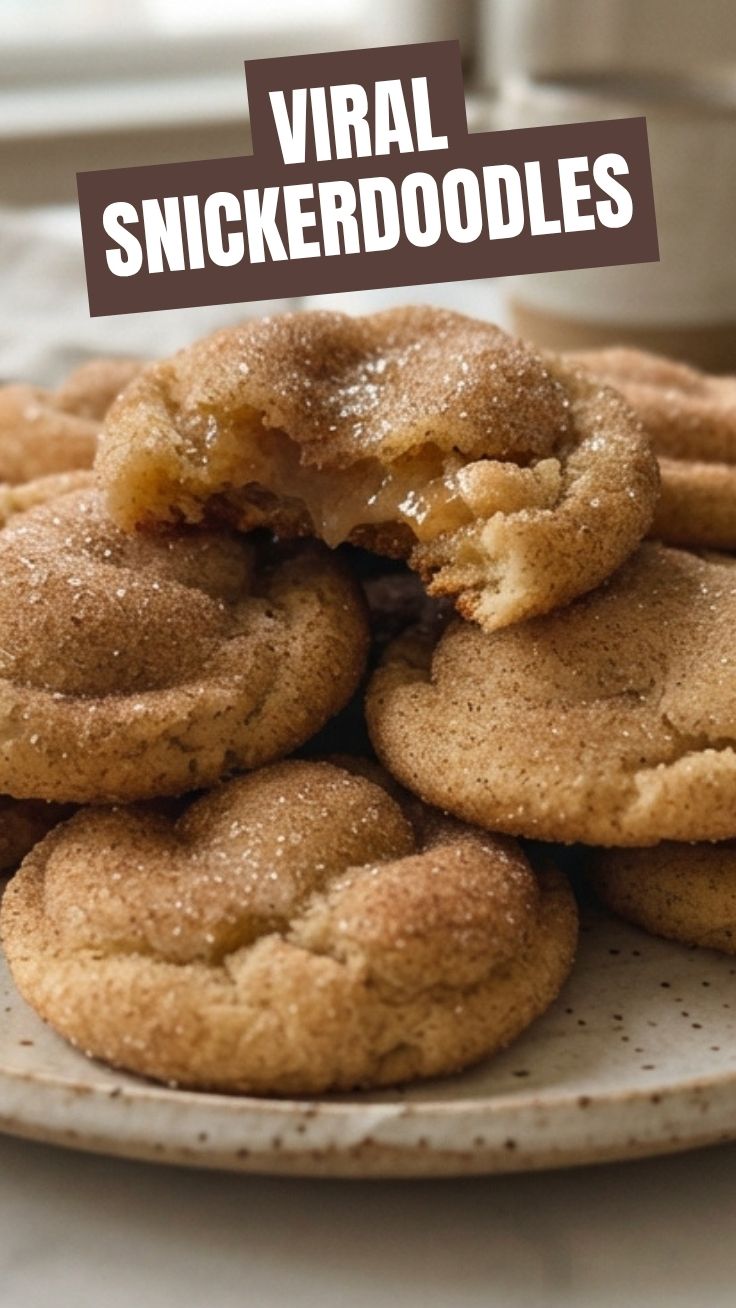
There you have it – your definitive guide to baking the most sublime Snickerdoodles! With their signature crinkled tops, chewy centers, and irresistible cinnamon-sugar embrace, these cookies are a timeless classic for a reason. By following these steps and incorporating our expert tips, you’re not just baking a batch of cookies; you’re crafting a moment of pure, sweet joy. We encourage you to try this recipe, savor the process, and delight in the delicious results. Don’t be shy – share your baking successes and any personal twists on these Snickerdoodle recipes in the comments below! Happy baking!
FAQs
Q1: Why do my Snickerdoodles spread too much?
A1: This can be due to overly soft butter, not enough flour, or dough that wasn’t chilled. Ensure your butter is just softened, measure flour accurately, and chill the dough for at least 30 minutes.
Q2: Can I make these without cream of tartar?
A2: While you can, cream of tartar is essential for the classic Snickerdoodle taste and chewy texture. Without it, your cookies will still be good but won’t have the characteristic tang.
Q3: How do I get that perfect crinkly top?
A3: The combination of cream of tartar interacting with baking soda, along with the cinnamon-sugar coating, is what creates those desirable crinkles. Don’t press the dough balls too flat; let them spread naturally in the oven.
Q4: Can I use brown sugar instead of white sugar?
A4: While you can substitute some brown sugar, it will significantly change the texture and flavor, making them softer and chewier with a molasses note, moving away from the classic Snickerdoodle profile. It’s best to stick with granulated sugar for authenticity.
Q5: My cookies are hard after cooling; what went wrong?
A5: The most common culprit for hard cookies is overbaking. Keep an eye on them, removing them from the oven when the edges are just set and the centers still look slightly soft. They will continue to bake and firm up as they cool on the hot baking sheet.