*
Unlock the Secret to the Creamiest, Most Flavorful Garlic Mashed Potatoes You’ll Ever Make!
Tired of bland, uninspired mashed potatoes? Imagine a side dish so rich, so velvety, and so packed with aromatic Roasted Garlic that it threatens to steal the show from the main course. This isn’t just a dream – it’s entirely achievable in your own kitchen! Mastering the art of homemade Garlic Mashed Potatoes not only elevates any meal but also provides an incredibly satisfying culinary experience. Forget the pre-packaged stuff; by preparing this comfort food classic from scratch, you gain control over every ingredient, ensuring a healthier, fresher, and incomparably more delicious result. Let’s dive into creating a dish that will have everyone asking for seconds!
Ingredients & Kitchen Tools
Gathering the right ingredients and tools is the first step to mashed potato perfection.
- 2 lbs Russet Potatoes (or Yukon Gold): Russets are starchy and break down beautifully for a fluffy mash; Yukon Golds offer a creamier texture.
- 1 Head Roasted Garlic (or 8-10 cloves fresh garlic): Roasting mellows the garlic’s pungency and creates a sweet, caramelized flavor. Fresh garlic provides a sharper, more vibrant taste.
- ½ cup Unsalted Butter: Adds richness and flavor. Using unsalted allows you to control the final seasoning.
- ½ cup Whole Milk (or Heavy Cream): For a creamy consistency. Heavy cream makes it decidedly decadent.
- ¼ cup Sour Cream (or Cream Cheese): Adds a subtle tang and extra creaminess, preventing gumminess.
- 1 tsp Sea Salt (or to taste): Enhances all flavors.
- ½ tsp Black Pepper (freshly ground, or to taste): Adds a gentle warmth and spice.
- Optional Garnishes: Fresh chives, parsley, or a drizzle of truffle oil for an extra layer of flavor and visual appeal.
Kitchen Tools:
- Large Pot: For boiling potatoes.
- Potato Masher or Ricer: A ricer yields the smoothest, fluffiest results; a masher gives a slightly chunkier texture. Avoid food processors, as they can make potatoes gluey.
- Small Pan/Saucepan: For warming milk and butter.
- Baking Sheet & Aluminum Foil: For roasting garlic.
- Knife & Cutting Board: For prepping potatoes and garlic.
- Measuring Cups & Spoons: For accurate ingredient quantities.
Prep Time & Cooking Schedule
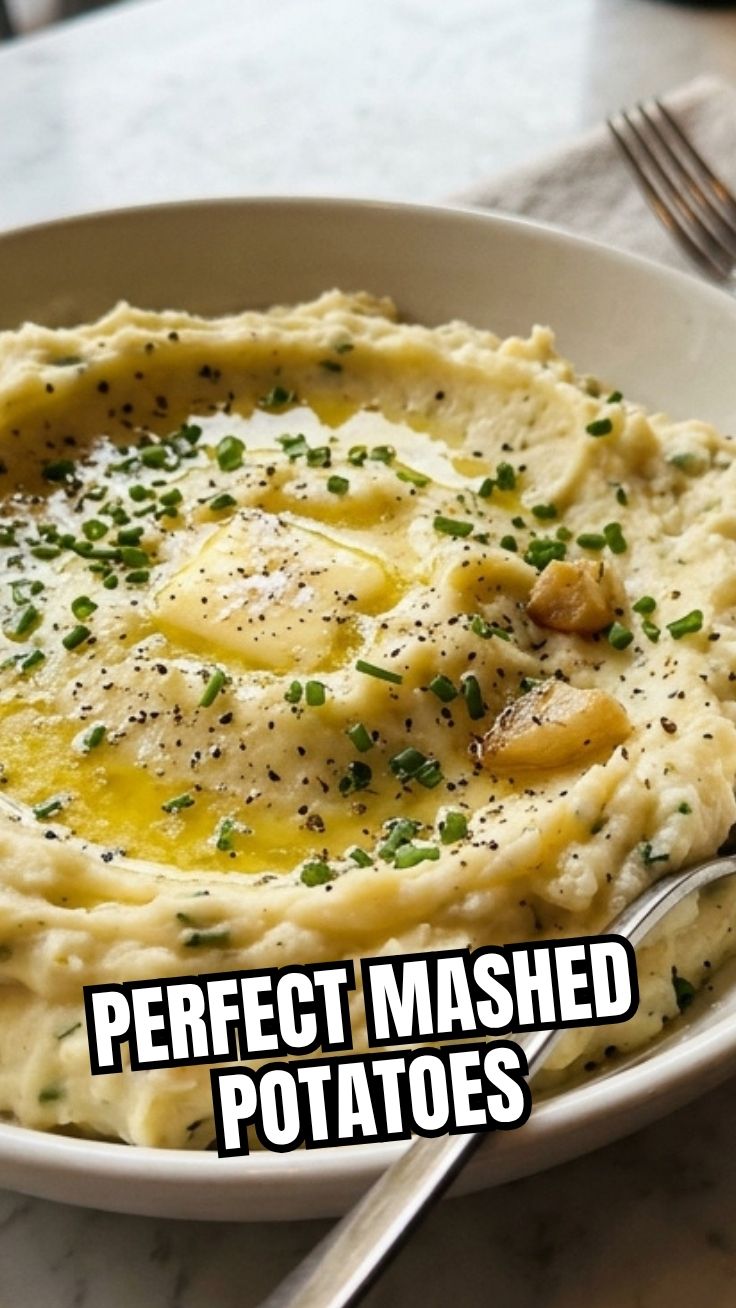
This recipe is surprisingly quick, making it perfect for weeknight dinners or holiday feasts.
- Prep Time: 15 minutes (Includes peeling and chopping potatoes, and prepping garlic for roasting).
- Active Cook Time: 25-30 minutes (Boiling potatoes, roasting garlic, mashing).
- Resting Time: 0 minutes (Best served hot!).
Plan Ahead: You can roast the garlic a day or two in advance to save time. Simply store the roasted cloves in an airtight container in the refrigerator.
Step-by-Step Instructions
Follow these steps for a guaranteed delicious outcome of Garlic Mashed Potatoes.
1. Roast the Garlic (if using fresh): Preheat oven to 400°F (200°C). Slice off the top ¼ inch of a whole head of garlic to expose the cloves. Drizzle with olive oil, sprinkle with salt, and wrap tightly in aluminum foil. Roast for 35-45 minutes, or until the cloves are soft and caramelized. Let cool, then squeeze out the soft Roasted Garlic pulp.
2. Prepare the Potatoes: Peel the potatoes and cut them into 1-inch uniform cubes. This ensures even cooking. Place them in a large pot and cover with cold water by about an inch. Add a generous pinch of salt to the water (this seasons the potatoes from the inside out!).
3. Boil the Potatoes: Bring the water to a boil over high heat, then reduce to a simmer and cook for 15-20 minutes, or until the potatoes are fork-tender. Don’t overcook, or they’ll become waterlogged.
4. Drain Thoroughly: Very important! Drain the potatoes completely in a colander. For extra fluffiness, return them to the hot pot over low heat for 1-2 minutes to evaporate any remaining moisture.
5. Warm Dairy & Fat: While potatoes are draining, gently warm the butter and milk (or cream) in a small saucepan over low heat until the butter is melted and the mixture is warm but not boiling.
6. Mash: Add the drained potatoes, roasted garlic (or minced fresh garlic), sour cream, salt, and pepper to the pot. Using a potato ricer or masher, mash until smooth, or to your desired consistency.
7. Incorporate Warm Liquids: Gradually add the warm milk and butter mixture to the mashed potatoes, mixing gently until just combined and creamy. Be careful not to overmix, as this can lead to a gummy texture.
8. Taste and Adjust: Taste the mashed potatoes and adjust seasoning (salt and pepper) as needed. Garnish with fresh herbs if desired, and serve immediately.
Nutritional Benefits & Advantages
The humble potato, often misunderstood, is a nutritional powerhouse when prepared properly. Potatoes are naturally gluten-free and a good source of Vitamin C, Vitamin B6, potassium, and dietary fiber (especially if you leave some skin on, though not recommended for ultra-creamy mash). Garlic, particularly when roasted, is known for its immune-boosting properties and antioxidants. When balanced with healthier fats and milk, these mashed potatoes offer comforting energy without being overly indulgent. The homemade aspect means no unhealthy additives, excess sodium, or artificial flavors often found in instant versions.
Tips, Variations & Cooking Advice
- For Extra Flavor: Brown the butter slightly before adding the milk. This adds a nutty depth that is divine.
- Dairy-Free Version: Use plant-based milk (almond, oat, or soy) and vegan butter. Nutritional yeast can add a cheesy flavor.
- Herbal Infusion: Add a sprig of rosemary or thyme to the pot while warming the milk and butter, then remove before adding to the potatoes.
- Cheesy Mash: Stir in ½ cup of grated Parmesan or cheddar cheese at the end.
- Spice It Up: A tiny pinch of cayenne pepper can add a subtle kick without overpowering.
- Consistency Control: If too thick, add a splash more warm milk. If too thin, try letting it sit for a few minutes; potatoes absorb liquid as they cool.
Common Mistakes to Avoid
- Overmixing: The number one culprit for gummy mashed potatoes. When overmixed, starches develop a glue-like consistency. Mix just until combined.
- Using Cold Dairy/Butter: Cold ingredients chill the potatoes and make them harder to incorporate smoothly, leading to lumps or overmixing. Always warm your milk and butter.
- Not Enough Salt in Boiling Water: Seasoning the water means the potato absorbs salt as it cooks, resulting in a more flavorful interior.
- Using a Food Processor: This will guarantee gummy, gluey potatoes every single time. Stick to a masher or ricer.
- Leaving Potatoes Waterlogged: Ensure potatoes are thoroughly drained and briefly dried out in the hot pot for the fluffiest texture.
Storage & Meal Prep Tips
These Garlic Mashed Potatoes are best served fresh, but leftovers are still delicious!
- Refrigeration: Store cooled mashed potatoes in an airtight container in the refrigerator for up to 3-4 days.
- Freezing: Mashed potatoes can be frozen for up to 2 months. Place cooled mashed potatoes in a freezer-safe bag or container, removing as much air as possible. Thaw overnight in the refrigerator before reheating.
- Reheating: For best results, gently reheat on the stovetop over low heat, stirring occasionally, adding a splash of milk or broth to restore creaminess. You can also reheat in the microwave in short bursts, stirring often. Avoid high heat, which can dry them out.
Conclusion
There you have it – the definitive guide to crafting the most exquisite Garlic Mashed Potatoes. With the simple techniques outlined and the incredible depth of flavor from expertly prepared Roasted Garlic, you’re not just making a side dish; you’re creating a memorable culinary experience. We encourage you to try this recipe, experiment with the variations, and savor every velvety bite. Don’t forget to share your creations and feedback in the comments below – happy cooking!
FAQs
Q1: Can I make these ahead of time for a holiday meal?
A1: Yes, you can prepare them a few hours in advance. Mash as directed, then transfer to a slow cooker on the “warm” setting with a splash of extra milk or cream to keep them moist. Stir occasionally.
Q2: What’s the best type of potato for mashing?
A2: Russet potatoes are ideal for fluffy mashed potatoes due to their high starch content. Yukon Golds are a great second choice, offering a naturally buttery flavor and creamy texture.
Q3: My mashed potatoes turned out gummy. What went wrong?
A3: Gummy mashed potatoes are almost always caused by overmixing or using a food processor. Mash just until combined, and avoid mashing too vigorously. Also, ensure potatoes are properly drained and not waterlogged.
Q4: How can I add even more garlic flavor without it being too pungent?
A4: Use two heads of roasted garlic instead of one for a deeper, sweeter garlic flavor without the raw pungency. You can also infuse the milk with a few crushed garlic cloves before warming, then strain them out.